When Should a Child Stop Running Because of Pain?
Running is an excellent way for children to stay active, develop coordination, build confidence, and enjoy participating in sport. Whether they are training for school athletics, competing in cross-country events, or running for fun, regular physical activity offers many benefits. However, children sometimes experience pain during or after running, leaving parents and coaches wondering whether they should continue exercising or take a break.
While occasional muscle soreness can occur after unfamiliar activity, pain can also indicate an injury that requires attention. Knowing when a child should stop running because of pain is essential for protecting their developing body and preventing a minor problem from becoming more serious.
In this article, we explore the warning signs parents should recognise, common running injuries in children, and when professional assessment may be necessary.
Is Pain During Running Normal for Children?
Understanding the Difference Between Soreness and Pain
Children may experience temporary muscle tiredness after exercise, particularly when trying a new activity or increasing their physical effort. Mild muscle soreness can develop several hours after unfamiliar exercise and generally improves over the following days.
However, pain that begins suddenly during running, becomes progressively worse, or affects a child’s ability to move normally should not be dismissed as ordinary soreness.
Growing children have developing bones, muscles, tendons, and growth plates that respond to repetitive physical demands. If training intensity increases too quickly or recovery is insufficient, tissues may become irritated or injured.
Children may also struggle to describe exactly what they feel. Parents should pay attention to changes in running technique, facial expressions, reluctance to participate, or complaints of discomfort, even when a child cannot clearly explain the symptoms.
When Should a Child Stop Running Immediately?
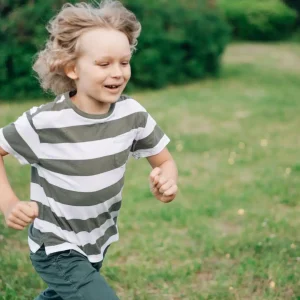
When Should a Child Stop Running Because of Pain?
1. Sudden or Sharp Pain
If a child experiences sudden, sharp pain while running, they should stop the activity immediately. This type of pain may occur during sprinting, jumping, changing direction, or landing awkwardly.
Possible causes include muscle strains, tendon injuries, or other acute injuries. Continuing to run may aggravate the problem, particularly if the child is compensating by changing their movement.
Encourage the child to rest and assess how they feel. If the pain is severe, movement is restricted, or symptoms do not settle, seek medical advice.
2. Pain That Causes Limping
Limping is an important warning sign because it indicates that a child is changing the way they walk to avoid discomfort.
A child who limps during or after running should stop high-impact activity rather than attempting to finish the session. Pain that affects normal walking may require assessment to identify the underlying cause.
Do not encourage a child to continue running simply because they can still put some weight through the affected leg.
3. Pain That Gets Worse During Exercise
Pain that gradually increases as a running session continues may indicate that the tissues are struggling to tolerate the activity.
For example, discomfort may initially occur only after several minutes of running but become noticeable earlier as training continues. Repeatedly running through worsening symptoms can aggravate an overuse injury.
If pain increases during activity, stop the session and arrange an assessment if it persists, returns regularly, or affects everyday movement.
4. Swelling or Significant Tenderness
Swelling around a knee, ankle, heel, or other part of the leg following running can indicate an injury. Significant tenderness in one specific area, particularly over a bone, should also be taken seriously.
Stop running and seek appropriate medical advice, especially when swelling develops suddenly or is accompanied by difficulty bearing weight.
A hot, red, swollen joint accompanied by fever requires urgent medical evaluation.
Common Running Injuries That Can Cause Pain in Children
Sever’s Disease: Heel Pain
Sever’s disease, also known as calcaneal apophysitis, is a common cause of heel pain in growing children. It occurs when repetitive loading irritates the developing growth area at the back of the heel.
Children may experience pain during or after running, jumping, and sporting activities. Symptoms often improve with rest but can return when high-impact exercise resumes.
If heel pain causes limping or repeatedly interrupts running, reduce painful activities and arrange a professional assessment.
Osgood-Schlatter Disease: Pain Below the Knee
Osgood-Schlatter disease causes pain and tenderness around the bony prominence below the kneecap. It commonly affects physically active children during growth.
Symptoms may worsen during running, jumping, squatting, or other activities that place repeated loads through the knee.
Children may need to modify painful activities and follow an appropriate rehabilitation plan. Persistent symptoms should be assessed rather than automatically attributed to growing pains.
Shin Splints and Bone Stress Injuries
Shin splints commonly cause aching along the inner edge of the shinbone, particularly after an increase in running distance or intensity.
However, localised bone pain can indicate a bone stress injury, including a stress fracture. Pain that becomes progressively worse, occurs during walking, or persists at rest requires prompt assessment.
Suspected bone stress injuries should not be managed by continuing to run through the pain.
Muscle Strains
Muscle strains can affect the hamstrings, quadriceps, and calf muscles. They may occur during sprinting, sudden acceleration, or movements that overload the muscle.
Symptoms can include sudden pain, tenderness, weakness, and difficulty using the affected leg. Children should stop running and seek assessment if symptoms are significant or interfere with normal movement.
When Is It Safe for a Child to Continue Running?
Pay Attention to the Severity of Symptoms
Not every minor ache requires a complete break from all physical activity. However, running should not continue if pain is sharp, worsening, changes movement, or causes limping.
If discomfort is mild and short-lived, resolves fully, and does not return with normal activity, parents can monitor symptoms carefully. Recurrent pain still warrants assessment, even when it disappears after rest.
The cause of pain matters more than a child’s willingness to continue.
Consider the Child’s Movement and Comfort
Before returning to running after an episode of pain, consider whether the child can walk comfortably and perform normal daily activities without symptoms.
A child should not return to high-impact exercise while limping or experiencing significant pain. Following an injury, a healthcare professional may recommend specific functional milestones before running resumes.
Avoid using a race or competition as a test of whether the injury has recovered.
What Should Parents Do When a Child Experiences Running Pain?
Stop the Activity and Assess Symptoms
Ask the child where the pain is located, when it started, and whether it worsens with movement. Look for swelling, bruising, tenderness, or changes in walking.
Do not force painful movements or attempt to diagnose the injury yourself. If symptoms are severe or the child cannot bear weight, seek urgent medical attention.
Modify Training and Allow Recovery
Temporarily reduce activities that aggravate symptoms. Depending on the cause, comfortable low-impact movement may be appropriate, but a child with a suspected significant injury should follow medical guidance.
When symptoms settle, return to running gradually rather than immediately resuming the previous training volume.
Seek Professional Advice
Arrange an assessment when pain persists, repeatedly returns, affects normal activities, or causes a change in movement.
A paediatric physiotherapist, sports medicine professional, or doctor can assess the child’s symptoms, training schedule, strength, movement patterns, and possible contributing factors.
How Can Running Pain Be Prevented?
Increase Training Gradually
Avoid sudden increases in running distance, speed, or frequency. Children need time to adapt, especially after a break from sport or during periods of rapid growth.
Prioritise Rest and Recovery
Adequate sleep, regular rest days, balanced nutrition, and time away from repetitive high-impact activities help support recovery.
Build Strength and Coordination
Age-appropriate strength, balance, and coordination exercises can help children develop the physical capacity needed for running. Training should match the child’s experience and abilities.
Encourage Open Communication
Children should feel comfortable reporting pain without worrying about disappointing parents, coaches, or teammates. Reassure them that stopping when something hurts is a sensible decision, not a failure.
Conclusion
Children should stop running when pain is sudden, sharp, worsening, causes limping, or is accompanied by swelling or difficulty bearing weight. Persistent or recurring pain also deserves attention, even if it improves with rest.
Recognising the difference between temporary soreness and potential injury helps parents make informed decisions and protect young athletes during growth and development.
With gradual training progression, sufficient recovery, and timely professional assessment, children can develop healthy running habits and return to sport safely. When in doubt, prioritise your child’s health over finishing a training session or competition.