What Are Waterproof Prostheses and How Do They Work?
Waterproof prostheses are changing the way people with limb loss experience everyday life. Traditional prosthetic devices can have limitations when exposed to water, making activities such as swimming, showering, bathing, and participating in water sports more challenging. However, waterproof prosthetic technology offers greater flexibility, comfort, and independence for individuals who want to maintain an active lifestyle.
Whether someone wants to enjoy a day at the beach, take a relaxing swim, or simply feel more confident when showering, waterproof prostheses can provide practical solutions. Understanding how these devices work, what makes them waterproof, and how to choose the right option can help individuals make informed decisions about their prosthetic needs.
This article explores waterproof prostheses, their key features, benefits, materials, and maintenance requirements.
What Are Waterproof Prostheses?
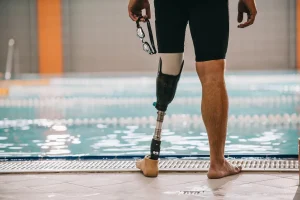
Waterproof prostheses are artificial limbs or prosthetic components specifically designed to withstand exposure to water without compromising their intended function. Unlike conventional prosthetic devices that may contain components vulnerable to moisture, waterproof options use specially selected materials, protective designs, and water-resistant components.
These prostheses can support individuals who enjoy swimming, water-based exercise, beach activities, and other everyday situations involving water.
Understanding Waterproof Prosthetic Devices
A prosthesis is an artificial device designed to replace a missing body part, such as an arm or leg. It helps restore certain functions, improve mobility, and support independence.
Waterproof prostheses are designed with additional protection against water exposure. Depending on the model and manufacturer, they may be suitable for freshwater, saltwater, swimming pools, and showering.
It is important to understand that waterproof and water-resistant are not necessarily the same. Some prosthetic devices can tolerate occasional splashes, while others are specifically designed for regular immersion. Users should always check the manufacturer’s specifications before exposing their prosthesis to water.
Who Can Benefit from Waterproof Prostheses?
Waterproof prostheses may benefit individuals with upper-limb or lower-limb amputations who want greater flexibility in their daily routines.
They can be particularly useful for people who:
-
Enjoy swimming and recreational water activities.
-
Regularly visit beaches and swimming pools.
-
Want a prosthetic option for showering and bathing.
-
Participate in water-based rehabilitation or exercise.
-
Prefer an active lifestyle involving outdoor activities.
-
Need a prosthetic device suitable for humid or wet environments.
The most appropriate option depends on the individual’s amputation level, mobility requirements, lifestyle, and clinical needs.
How Do Waterproof Prostheses Work?
Waterproof prostheses work by combining specially designed components, protective materials, and construction methods that help prevent water from damaging important parts of the device.
Their design depends on the type of prosthesis and its intended use. Some devices are designed for everyday wear, while others are specifically developed for swimming or other water-related activities.
What Are Waterproof Prostheses and How Do They Work?
1. Water-Resistant Materials
One of the most important features of waterproof prostheses is the materials used in their construction.
Manufacturers may use materials such as:
-
Titanium: A lightweight and corrosion-resistant metal commonly used in prosthetic components.
-
Stainless steel: Certain grades offer good corrosion resistance and structural strength.
-
Specialised plastics: Durable polymers can help create lightweight and moisture-resistant components.
-
Silicone: Often used in liners, seals, and protective interfaces.
-
Carbon fibre composites: Lightweight materials used in some prosthetic structures.
These materials help improve durability and reduce the risk of deterioration associated with moisture exposure.
However, the suitability of each material depends on the complete prosthetic design, including joints, fasteners, electrical components, and connections.
2. Protective Seals and Waterproof Design
Waterproof prostheses may incorporate protective seals, specialised enclosures, and carefully designed connections to minimise water penetration.
These features are particularly important for devices containing mechanical or electronic components.
For example, certain waterproof prosthetic hands use sealed housings to protect internal mechanisms and electrical systems. Similarly, some lower-limb prostheses use water-resistant components designed to withstand immersion under specified conditions.
The level of protection varies between products, so users should confirm the device’s approved water exposure limits.
3. Functional Mechanical Components
Waterproof prosthetic limbs are designed to maintain their intended functionality when exposed to water.
Depending on the device, this may involve specialised joints, connectors, fasteners, and mechanical systems.
For lower-limb prostheses, components such as feet, pylons, adapters, and knees must be suitable for the intended environment. For upper-limb prostheses, the design may include protected grips, joints, and electronic mechanisms.
A properly selected waterproof prosthesis can help users perform everyday activities while reducing concerns about moisture-related component damage.
What Are the Benefits of Waterproof Prostheses?
Waterproof prostheses offer several advantages for people who want greater freedom and flexibility in their everyday lives.
1. Greater Independence in Daily Activities
One of the biggest benefits is the ability to manage everyday activities involving water more conveniently.
Showering, bathing, washing, and participating in household tasks can become easier when using a prosthesis designed for appropriate water exposure.
Users may also experience greater confidence when moving between indoor and outdoor environments.
2. Opportunities for Swimming and Water Sports
Swimming is an excellent recreational activity that supports cardiovascular fitness, flexibility, and overall wellbeing.
Waterproof prostheses designed for aquatic activities can help individuals participate in swimming and certain water-based exercises.
Some specialised prosthetic designs are also developed for activities such as surfing, kayaking, and other recreational sports.
However, not every waterproof prosthesis is suitable for every water sport. The appropriate design should be selected according to the activity, safety requirements, and user’s physical abilities.
3. Improved Lifestyle Flexibility
Waterproof prostheses can reduce some of the limitations associated with traditional prosthetic devices.
Individuals may find it easier to enjoy holidays, visit swimming facilities, spend time at the beach, and participate in social activities involving water.
This flexibility can contribute to greater independence and improved quality of life.
4. Durability in Wet Environments
Prosthetic devices designed for water exposure typically incorporate materials and components selected to resist moisture-related deterioration.
This can help reduce corrosion and other forms of water-related damage when the device is used and maintained according to manufacturer recommendations.
However, waterproof construction does not mean that a prosthesis is maintenance-free.
Types of Waterproof Prostheses
Different waterproof prosthetic devices are available depending on the user’s requirements and the type of limb being replaced.
Waterproof Prosthetic Legs
Waterproof prosthetic legs are designed to support lower-limb mobility in environments where water exposure is expected.
They may include specialised feet, adapters, pylons, and other components designed for wet conditions.
Some models are suitable for showering and swimming, while others are developed specifically for aquatic activities.
The right option depends on the user’s amputation level, balance, mobility, and preferred activities.
Waterproof Prosthetic Arms
Waterproof prosthetic arms are designed to provide upper-limb functionality while accommodating water exposure.
Some models feature mechanical gripping systems, while advanced versions may incorporate electronic components protected by specialised waterproof housings.
These devices can help users perform certain tasks in wet environments and participate in recreational activities.
Waterproof Prosthetic Feet
Waterproof prosthetic feet are particularly useful for individuals who want to maintain mobility around swimming pools, beaches, and other wet environments.
They may feature durable materials and designs that provide suitable support and traction for their intended applications.
Some are specifically designed for swimming or beach activities rather than everyday walking.
How to Choose the Right Waterproof Prosthesis
Choosing a waterproof prosthesis requires careful consideration of individual needs, lifestyle, and clinical requirements.
Consider Your Lifestyle and Activities
Start by identifying how you intend to use the prosthesis.
Someone who simply needs a device for showering may have different requirements from someone who regularly swims or participates in water sports.
Understanding your intended activities helps narrow down suitable options.
Check Waterproof Ratings and Manufacturer Guidelines
Not all waterproof prostheses offer the same level of protection.
Before purchasing or using a device, check its manufacturer’s specifications, including immersion depth, exposure duration, and suitability for saltwater or chlorinated water.
These details help ensure that the prosthesis is appropriate for your intended activities.
Consult a Prosthetist
A qualified prosthetist can assess your individual requirements and recommend suitable waterproof components or devices.
They can also help determine whether your existing prosthesis can accommodate water-resistant components or whether a separate aquatic prosthesis would be more appropriate.
How to Maintain and Care for Waterproof Prostheses
Although waterproof prostheses are designed to handle water exposure, proper maintenance remains essential for long-term performance.
Rinse After Swimming
After exposure to seawater or chlorinated swimming pools, rinse the prosthesis with clean freshwater if recommended by the manufacturer.
Salt and chlorine can affect certain materials and components over time.
Dry the Prosthesis Properly
Allow the prosthesis to dry according to the manufacturer’s instructions.
Pay attention to removable components, connections, and areas where moisture may collect.
Avoid using excessive heat or direct heating devices unless specifically approved.
Inspect Components Regularly
Check the prosthesis for signs of wear, corrosion, loose connections, damaged seals, or unusual movement.
If you notice any changes in performance, consult your prosthetist before continuing to use the device in water.
Follow Professional Maintenance Recommendations
Regular professional assessments help ensure that the prosthesis remains safe, comfortable, and functional.
Your prosthetist can identify potential problems and recommend servicing or replacement when necessary.
Are Waterproof Prostheses Worth Considering?
For individuals who enjoy swimming, spend time in wet environments, or simply want greater convenience in their everyday routines, waterproof prostheses can be a valuable option.
They provide opportunities to participate in activities that may otherwise require additional planning or alternative equipment.
However, the right solution depends on individual circumstances. Factors such as comfort, fit, functionality, durability, cost, and intended water exposure should all be considered.
A consultation with an experienced prosthetist can help determine whether a waterproof prosthesis is suitable for your lifestyle and mobility goals.
Conclusion
Waterproof prostheses represent an important development in prosthetic technology, helping individuals with limb loss enjoy greater freedom and flexibility in everyday life. Through specialised materials, protective seals, and carefully engineered components, these devices are designed to withstand specific levels of water exposure while maintaining their intended functionality.
From showering and swimming to enjoying beach activities and water-based exercise, waterproof prostheses can open up new opportunities for independence and participation.
Understanding how they work, exploring the available options, and following appropriate maintenance guidelines are essential steps towards choosing the right solution.
Ultimately, waterproof prosthetic technology is about more than protecting an artificial limb from water. It is about helping people enjoy more activities, experience fewer limitations, and live life with greater confidence.