When Might You Need a Spinal Brace?
A spinal brace is a medical device designed to provide support, stability or controlled movement for the spine. Depending on the type of brace and the reason it is prescribed, it may help protect the spine following an injury, support recovery after surgery or assist with the management of certain spinal conditions.
Not everyone with back pain or a spinal problem needs a brace. Spinal bracing is generally recommended when a healthcare professional believes that additional external support could benefit a person’s treatment or recovery. The type of brace, how it fits and how long it should be worn will depend on the individual’s condition and treatment goals.
Understanding when a spinal brace may be recommended can help you recognise when professional assessment could be beneficial.
What Is a Spinal Brace?
A spinal brace is an orthotic device that fits around part of the torso to provide support to the spine. Some braces are flexible and provide gentle support, while others are made from rigid materials and are designed to restrict particular movements.
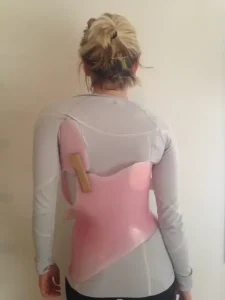
Different spinal braces serve different purposes. A brace used following an injury may be designed to limit movement, while a brace prescribed for scoliosis may use carefully positioned pressure to influence spinal alignment during growth.
Because spinal conditions vary considerably, there is no single type of spinal brace that is suitable for everyone.
When Might a Spinal Brace Be Recommended?
A spinal brace may be recommended in several situations. The decision is usually based on the underlying condition, the severity of the problem, the person’s age and overall health, and what the treatment is intended to achieve.
When Might You Need a Spinal Brace?
After a Spinal Injury
One of the more common reasons for using a spinal brace is to provide support following certain spinal injuries. Some fractures and other injuries may benefit from reduced movement while the affected area heals.
A brace can provide external stability and help restrict movements that could place additional stress on the injured area. However, not every spinal injury requires a brace. The appropriate treatment depends on the nature and location of the injury.
For Scoliosis Management
Spinal bracing can be an important part of treatment for some children and teenagers with scoliosis. Scoliosis causes an abnormal sideways curvature of the spine, and the curvature can sometimes progress while a child is growing.
For suitable patients, a spinal brace may be prescribed to help control progression of the curve during growth. The decision to recommend bracing depends on factors such as the child’s age, growth remaining, spinal curvature and the likelihood of progression.
A scoliosis brace is generally most effective when it is appropriately fitted and worn according to the recommended schedule.
Following Spinal Surgery
In some cases, a spinal brace may be recommended following spinal surgery. The purpose may be to provide additional support or limit certain movements during recovery.
Whether bracing is necessary depends on the type of surgery and the individual’s circumstances. Some patients may not require a brace at all, while others may be instructed to wear one for a specific period.
Anyone recovering from spinal surgery should follow the instructions provided by their surgeon or treating healthcare professional.
Can a Spinal Brace Help With Back Pain?
A spinal brace may sometimes be used as part of a treatment plan for certain causes of back pain, but wearing a brace is not automatically appropriate for general back pain.
Back pain can have many different causes, ranging from muscle strain to more complex spinal conditions. Simply purchasing a brace without understanding the underlying cause may not address the problem.
A healthcare professional can assess your symptoms and determine whether additional spinal support is appropriate. If a brace is recommended, they can also advise which type is suitable and how it should be worn.
When Might Children Need a Spinal Brace?
Children and teenagers may be prescribed spinal braces for specific conditions, particularly scoliosis. Because the spine is still developing during childhood and adolescence, treatment can sometimes focus on managing changes while the child grows.
Bracing During Growth
For children with scoliosis who have significant growth remaining, a brace may be recommended when there is a risk that the spinal curve will progress.
The brace is designed around the child’s individual shape and treatment requirements. Regular assessments may be necessary as the child grows to ensure the brace continues to fit correctly and provide the intended support.
Importance of Following the Wearing Schedule
When a child is prescribed a spinal brace, following the recommended wearing schedule can be an important part of treatment. Depending on the brace, this may involve wearing it for a specified number of hours each day or night.
Parents and children should discuss any problems with comfort, fit or skin irritation with their healthcare professional rather than simply stopping treatment.
Signs You May Need Professional Assessment
There are certain situations where seeking professional advice about a spinal problem is particularly important. Persistent or worsening back pain, a noticeable change in spinal posture, an existing spinal condition or an injury may all warrant assessment.
Persistent Back or Spinal Symptoms
If back symptoms continue despite normal self-care measures, a healthcare professional can investigate the potential cause. Depending on their findings, they may recommend physiotherapy, exercise, medication, monitoring or other treatment options. In some circumstances, spinal bracing may form part of the treatment plan.
Changes in Posture or Spinal Shape
A noticeable change in posture or the appearance of the spine may warrant professional assessment, particularly in a growing child or teenager. Early assessment can help identify whether a spinal condition may be present and whether treatment is required.
After an Accident or Injury
Following a significant accident or suspected spinal injury, medical assessment is important. A spinal brace should not be used as a substitute for proper diagnosis. If a serious spinal injury is suspected, seek urgent medical attention.
How Is the Right Spinal Brace Chosen?
If bracing is considered appropriate, the type of brace will depend on the individual’s specific needs. Factors such as the location of the spinal problem, the amount of support required, age, body shape and treatment goals may all influence the design.
Custom-Fitted Spinal Braces
Some spinal braces are custom-made or individually fitted. This allows the brace to be designed around the person’s anatomy and the particular areas requiring support or pressure.
A properly fitted brace should provide the intended support while remaining as comfortable as possible. Children and teenagers may require adjustments or a replacement brace as they grow.
Rigid and Flexible Braces
Rigid braces generally provide a higher level of movement restriction, while flexible braces may offer more freedom of movement. The appropriate design depends on why the brace is being used.
It is important not to assume that a more rigid brace is necessarily better. The correct brace is the one that is appropriate for the individual’s clinical requirements.
How Long Might You Need to Wear a Spinal Brace?
The length of time a person needs to wear a spinal brace varies considerably. Someone recovering from an injury may need a brace for a limited period while the spine heals. Someone being treated for scoliosis may need to wear a brace for a longer period while they continue to grow.
Wearing instructions should always come from the treating healthcare professional. Changing the schedule without professional advice may affect the intended treatment.
Regular follow-up appointments may also be recommended to monitor progress and make adjustments where necessary.
What Should You Do If a Spinal Brace Is Uncomfortable?
It can take time to become accustomed to wearing a spinal brace. Some initial pressure or awareness of the brace may be expected, but significant pain, persistent skin irritation, numbness or other concerning symptoms should not be ignored.
If your brace feels excessively tight, slips out of position or causes ongoing discomfort, contact the professional who fitted it. Adjustments may be needed to improve the fit.
Frequently Asked Questions About Spinal Braces
Does everyone with back pain need a spinal brace?
No. A spinal brace is not appropriate for everyone with back pain. The cause of the pain and the individual’s treatment requirements need to be assessed before bracing is considered.
Can a spinal brace cure a spinal condition?
A spinal brace is generally used as part of a broader treatment plan rather than being a cure on its own. Its purpose depends on the condition and type of brace.
Can you get a spinal brace without seeing a healthcare professional?
While general back-support products may be available without a prescription, a medical spinal brace should be selected based on professional assessment where appropriate. This helps ensure the brace provides the correct level and type of support.
How do I know if a spinal brace is right for me?
The best way to determine whether a spinal brace is appropriate is to speak with a qualified healthcare professional. They can assess your symptoms or condition and explain whether bracing could form part of your treatment.
Getting the Right Support for Your Spine
A spinal brace may be recommended following certain spinal injuries, during scoliosis management, after some types of spinal surgery or for other specific spinal conditions. However, the need for a brace depends on the individual rather than simply the presence of back pain.
If you are experiencing ongoing spinal symptoms or have been diagnosed with a spinal condition, professional assessment is the best starting point. If bracing is appropriate, a healthcare professional can recommend the right type, ensure it fits correctly and explain how and when it should be worn.
With the right assessment and guidance, spinal bracing can be a useful part of a personalised approach to spinal support and management.