When Do Stroke Survivors Need an Orthosis?
Stroke recovery can affect movement in many different ways. Some people experience weakness on one side of the body, while others may have difficulties with balance, coordination, muscle control, or walking. These changes can make everyday activities more challenging and may affect a person’s confidence and independence.
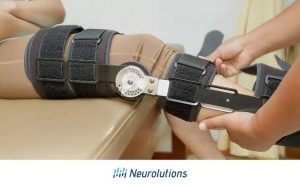
For some stroke survivors, an orthosis can provide additional support during rehabilitation and daily activities. An orthosis is a medical device designed to support, align, protect, or assist a specific part of the body. The decision to use one depends on the individual’s physical needs, functional goals, and rehabilitation progress.
Understanding when an orthosis may be useful can help stroke survivors and their families have informed conversations with their rehabilitation team.
What Is an Orthosis?
An orthosis is a supportive device that can influence the position or movement of a body part. Following a stroke, orthoses are commonly used to support the lower limb, particularly the foot and ankle.
An ankle-foot orthosis, or AFO, is one of the most common types used when stroke-related weakness or reduced motor control affects walking. Depending on its design, an AFO can help support the ankle, influence foot positioning, and assist with aspects of the walking cycle.
How Is an Orthosis Different From a Prosthesis?
An orthosis supports or assists an existing body part, whereas a prosthesis replaces a missing body part. For example, an AFO supports the person’s existing foot and ankle rather than replacing them.
An orthotist is a healthcare professional who assesses individuals and provides orthotic treatment, including the selection, design, fitting, and review of orthoses.
Signs That an Orthosis May Be Helpful
Not every stroke survivor needs an orthosis. However, certain movement difficulties may indicate that additional support could be beneficial.
An assessment may be appropriate when a person has difficulty lifting the front of the foot, experiences ankle instability, or has trouble controlling foot position while standing or walking.
Foot Drop
Foot drop occurs when a person has difficulty lifting the front of the foot during walking. This can cause the toes to catch on the ground as the leg moves forward.
An orthosis may help position the foot and ankle to improve foot clearance during the swing phase of walking. This can provide mechanical support while the person continues working on active movement and rehabilitation.
Ankle Instability
Some stroke survivors experience reduced control around the ankle. The foot may move into an unwanted position when weight is placed through the leg, making standing and walking more difficult.
An AFO can provide external support and help control ankle movement. The amount of support required varies between individuals, so professional assessment is important.
When Walking Becomes Difficult After Stroke
When Do Stroke Survivors Need an Orthosis?
Walking problems after stroke can result from several factors, including muscle weakness, altered muscle tone, reduced balance, impaired coordination, and changes in joint movement.
An orthosis may be considered when these difficulties affect functional mobility and when external support could help the person walk more effectively.
Difficulty Clearing the Foot
During a normal walking cycle, the foot needs to clear the ground as the leg swings forward. If a person cannot lift their foot sufficiently, they may compensate by changing the way they move the hip, knee, or leg.
An appropriately fitted AFO may assist with foot clearance and provide a more controlled position during walking.
Difficulty Controlling Foot Placement
Some stroke survivors may have difficulty controlling how the foot contacts the ground. An orthosis can help guide the foot and ankle into a more functional position, depending on its design.
This support may help create a more stable base during weight-bearing and allow the person to practise walking with greater control.
Orthoses and Balance After Stroke
Balance problems can make standing and walking challenging after a stroke. Weakness around the ankle or changes in foot position may contribute to difficulty maintaining stability.
An orthosis may provide additional support to the foot and ankle and help maintain a more controlled position during standing and movement.
Supporting Functional Mobility
Functional mobility includes activities such as standing up, walking across a room, turning, navigating stairs, and moving around different environments. If lower-limb weakness or instability affects these activities, orthotic support may be considered.
The aim is generally to support useful movement rather than simply restrict motion.
When Is the Right Time for an Orthosis?
There is no single point in stroke recovery when everyone should receive an orthosis. The appropriate timing depends on the individual’s presentation and rehabilitation goals.
Some people may benefit from orthotic assessment relatively early in rehabilitation, particularly when walking difficulties are already apparent. Others may be assessed later as their movement pattern and functional needs become clearer.
Orthotic Needs Can Change
Stroke recovery is not necessarily a linear process. Strength, balance, muscle control, and walking ability can change over time. As these factors change, the person’s orthotic requirements may also change.
An orthosis may need to be adjusted, modified, replaced, or reconsidered as recovery progresses.
What Happens During an Orthotic Assessment?
An orthotist will typically begin by discussing the person’s movement difficulties, daily activities, rehabilitation goals, and concerns. The assessment may include observing standing, walking, and other functional movements.
The orthotist may also assess muscle strength, range of motion, muscle tone, joint positioning, balance, and footwear.
Considering Lifestyle and Daily Activities
The best orthosis is not necessarily the one that provides the most restriction. It needs to suit the person’s daily life.
For example, someone who regularly walks outdoors may have different requirements from someone who primarily moves around their home. Footwear, work, hobbies, exercise, and the environments where the device will be used can all influence the choice.
Custom and Prefabricated Orthoses
Orthoses are available in both prefabricated and custom-made designs. A prefabricated device is produced in standard sizes, while a custom orthosis is designed around the individual’s anatomy and functional requirements.
Which Option Is Appropriate?
There is no universal answer. A prefabricated orthosis may provide appropriate support for some people, while others may require a custom-made device because of their alignment, anatomy, muscle tone, or specific functional requirements.
An orthotist can recommend the most suitable option after completing an assessment.
Orthosis Use Alongside Rehabilitation
An orthosis is generally one component of a broader stroke rehabilitation programme. Physiotherapy may address strength, balance, coordination, and walking practice, while occupational therapy may focus on daily activities and independence.
An orthosis can provide mechanical support while these rehabilitation activities take place.
Why Follow-Up Is Important
Follow-up appointments allow the orthotist and rehabilitation team to assess whether the device continues to meet the person’s needs. Adjustments may be necessary if physical abilities change or if the orthosis causes discomfort.
Regular monitoring can also help identify pressure areas, skin irritation, or problems with footwear.
Comfort, Fit, and Skin Care
An orthosis should be comfortable enough to use as recommended. People should follow the wearing instructions provided by their healthcare professional and check their skin regularly, particularly when first using a new device.
Persistent pain, rubbing, pressure, or skin changes should be discussed with an orthotist. Do not continue using a device that is causing significant problems without seeking professional advice.
Talking to Your Rehabilitation Team
If walking has become difficult after a stroke, it may be useful to ask the rehabilitation team whether an orthotic assessment is appropriate. Questions about foot drop, ankle instability, foot positioning, balance, and walking efficiency can help guide the discussion.
An orthosis is not necessary for every stroke survivor, and its suitability should be determined through an individual assessment.
Understanding the Role of Orthoses in Stroke Recovery
Stroke survivors may benefit from an orthosis when weakness, foot drop, ankle instability, or difficulties with foot positioning affect standing, walking, or everyday mobility. An appropriately selected orthosis can provide external support and may help create a more controlled environment for functional movement and rehabilitation.
The timing and type of orthotic treatment vary from person to person. Professional assessment is important to determine whether an orthosis is appropriate and which design best matches an individual’s physical needs and goals.
As recovery progresses, regular review can help ensure that orthotic treatment continues to provide appropriate support. When combined with rehabilitation and personalised care, an orthosis can be a useful tool for supporting mobility and participation in everyday activities after stroke.