What Should You Look for in a Prosthetics Clinic?
Choosing the right prosthetics clinic is an important step for anyone considering a prosthetic limb or seeking ongoing prosthetic care. The quality of assessment, fitting, rehabilitation support, and follow-up services can significantly influence comfort, mobility, and confidence in everyday life.
Whether you need your first below-knee prosthesis, a replacement device, or adjustments to an existing prosthetic leg, finding a clinic that understands your individual needs is essential. With different providers, technologies, and treatment approaches available, knowing what to look for can help you make a confident and informed decision.
A reliable prosthetics clinic should offer professional expertise, personalised care, suitable prosthetic options, and ongoing support. Here are the key factors to consider when choosing a clinic that aligns with your needs, lifestyle, and long-term mobility goals.
1. Qualifications and Experience of the Prosthetics Team
The expertise of the clinical team is one of the most important factors when selecting a prosthetics clinic. Prosthetic care involves understanding anatomy, biomechanics, residual limb health, component selection, and the functional requirements of each individual.
Check Professional Qualifications
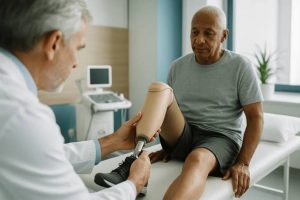
What Should You Look for in a Prosthetics Clinic?
Look for qualified prosthetists who have the appropriate education, training, and professional credentials for your location. In Australia, you can ask about a practitioner’s qualifications, relevant professional registration or accreditation, and membership of recognised professional organisations.
A qualified practitioner should be able to explain your options clearly, discuss potential limitations, and answer questions about the fitting process.
Consider Experience With Your Specific Needs
Different patients have different requirements. Someone seeking a below-knee prosthesis may need different clinical support from someone requiring an above-knee prosthesis or a specialised sports device.
Ask whether the clinic has experience working with people who have similar mobility goals, medical circumstances, or prosthetic requirements. Relevant experience can help ensure that recommendations reflect your individual needs rather than a standard approach.
2. Personalised Assessment and Prosthetic Fitting
A prosthesis should be selected and fitted according to your residual limb, physical condition, activity level, and personal goals. A clinic that prioritises individual assessment is better positioned to recommend an appropriate solution.
Comprehensive Initial Assessment
During an initial consultation, the prosthetics team should assess relevant factors such as residual limb shape, skin condition, mobility, comfort concerns, and daily activities.
You should also have an opportunity to explain what you want to achieve, whether that involves walking more comfortably, returning to work, participating in recreational activities, or improving independence at home.
Custom Socket Design and Adjustments
The socket connects your residual limb to the prosthesis and plays a major role in comfort and control. Poor socket fit can contribute to pressure areas, skin irritation, discomfort, and difficulty walking.
Ask how the clinic approaches socket fabrication, fitting trials, alignment, and subsequent adjustments. A suitable fitting process should allow concerns to be identified and addressed rather than expecting you to tolerate persistent discomfort.
3. Range of Prosthetic Options and Technology
Prosthetic technology continues to develop, offering different designs, materials, and components to support a range of mobility requirements. A suitable clinic should explain the available options and help you understand their practical differences.
Different Prosthetic Components
Depending on your needs, a clinic may offer access to different prosthetic feet, liners, suspension systems, and socket designs.
For example, some prosthetic feet are designed for everyday walking, while others provide dynamic response for more active users. The most appropriate component depends on your functional abilities, activity level, comfort, and budget.
Modern Design and Manufacturing Methods
Some clinics use digital scanning, computer-aided design, and advanced manufacturing methods to support prosthetic fabrication. These technologies may help with measurement accuracy and customisation.
However, advanced technology alone does not guarantee a better outcome. Ask how a particular method benefits your situation and whether the clinic can provide the necessary fitting and follow-up support.
4. Rehabilitation and Ongoing Support
Receiving a prosthetic limb is often only one part of the rehabilitation journey. Learning to use the device safely and effectively may require training, practice, and continuing professional guidance.
Walking Training and Physiotherapy
Depending on your circumstances, you may benefit from physiotherapy or gait training to develop balance, coordination, strength, and confidence.
Ask whether the clinic provides rehabilitation services directly or works with physiotherapists and other healthcare professionals. A coordinated approach can help ensure that your prosthesis and rehabilitation plan support the same functional goals.
Regular Reviews and Follow-Up Appointments
Your residual limb can change in volume and shape over time. Changes in body weight, activity levels, and physical condition can also affect the fit of your prosthesis.
A reliable clinic should explain how follow-up appointments are arranged and what to do if you experience discomfort, skin irritation, or changes in fit. Ongoing reviews help identify problems and determine whether adjustments or component replacements are necessary.
5. Transparent Pricing and Funding Assistance
The cost of a prosthetic limb varies according to its components, customisation, fitting requirements, and ongoing services. Understanding the likely expenses before proceeding can help you plan financially.
Request an Itemised Quote
Ask the clinic for a written quotation that explains the proposed prosthesis and the services included. Depending on the arrangement, costs may cover assessment, fabrication, fitting, alignment, adjustments, and follow-up appointments.
You should also clarify whether liners, repairs, maintenance, and future socket changes will incur additional charges.
Comparing itemised quotations from different providers can help you understand differences in price and value.
Ask About Funding and Insurance
Depending on your circumstances, funding may be available through public healthcare services, private health insurance, disability programs, veterans’ services, or workplace and transport injury compensation schemes.
In Australia, eligible individuals may be able to access support through state or territory health services, the National Disability Insurance Scheme, the Department of Veterans’ Affairs, or relevant compensation programs.
Ask whether the clinic can explain the documentation and approval process. Confirm your eligibility, approved services, and any potential out-of-pocket costs with the relevant funding body before committing to treatment.
6. Patient Communication and Reviews
Good communication is essential throughout the prosthetic fitting and rehabilitation process. You should feel comfortable asking questions and discussing concerns with your clinical team.
Look for Clear and Respectful Communication
A good clinic should explain technical information in understandable language, outline the benefits and limitations of different options, and involve you in decisions about your care.
You should understand why a particular prosthesis is recommended and how it relates to your lifestyle and mobility goals.
Read Patient Reviews Carefully
Online reviews may provide insight into appointment experiences, staff communication, follow-up support, and general patient satisfaction.
Look for consistent themes across several reviews rather than relying on one positive or negative comment. Remember that individual experiences vary, and reviews cannot independently verify clinical quality or suitability.
7. Accessibility, Convenience, and Emergency Support
Prosthetic care often involves multiple appointments for assessment, fitting, adjustment, and maintenance. Choosing a clinic that is practical to access can make ongoing care easier.
Consider Location and Appointment Availability
Think about travel distance, accessible parking, public transport, appointment flexibility, and whether the clinic can accommodate your mobility needs.
If frequent visits are expected, a convenient location may reduce the practical burden of attending appointments.
Understand Repair and Urgent Support Arrangements
Ask how the clinic handles urgent fitting problems, damaged components, and unexpected discomfort. Find out how to contact the team between appointments and what arrangements exist for repairs.
If a prosthesis becomes painful or causes significant skin damage, seek appropriate professional advice promptly rather than continuing to use a poorly fitting device.
Conclusion
Choosing a prosthetics clinic involves more than comparing prices or selecting the newest technology. Professional qualifications, personalised fitting, suitable component options, rehabilitation support, transparent pricing, and reliable follow-up care all contribute to a positive prosthetic experience.
Before making your decision, arrange a consultation, ask detailed questions, and compare the services offered by qualified providers. A clinic that listens to your concerns and explains your options clearly can help you work towards a prosthetic solution that supports your comfort, mobility, and long-term goals.
Taking time to choose the right clinic can make the prosthetic care process more manageable and help you move forward with greater confidence and independence.