What Makes One Microprocessor Knee Different From Another?
Microprocessor knees have transformed modern prosthetic technology by giving people with above-knee or transfemoral amputations access to highly responsive and adaptable knee systems. Unlike traditional mechanical knees, microprocessor-controlled knees use sensors, computer processing, and sophisticated control systems to adjust resistance and movement during walking.
However, not all microprocessor knees are the same. Different models can vary considerably in their sensors, control algorithms, activity modes, battery systems, water resistance, walking capabilities, and overall design.
Understanding these differences is important when choosing a prosthetic knee. The most advanced or expensive knee is not necessarily the best option for every person. The right device should match your mobility level, daily activities, environment, physical abilities, and personal goals.
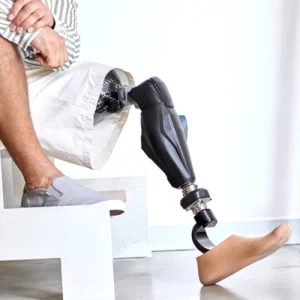
What Makes One Microprocessor Knee Different From Another?
How Do Microprocessor Knees Work?
A microprocessor knee uses electronic sensors to collect information about the user’s movement. The onboard computer processes this information and controls resistance within the knee.
The system can respond to changes during different phases of walking, including stance and swing. Depending on the model, it may also recognise changes in walking speed, terrain, direction, or activity.
This allows the knee to behave differently depending on what the user is doing. Research and clinical guidelines support microprocessor knees for many prosthetic ambulators, particularly because they may reduce falls, improve functional mobility, and increase patient satisfaction.
Why Does the Control System Matter?
The control system is one of the most important differences between microprocessor knees. Each manufacturer can use different algorithms to interpret sensor information and determine how the knee should respond.
Two knees may therefore both be classified as microprocessor knees but provide noticeably different experiences during activities such as walking downhill, climbing stairs, changing speed, or recovering from an unexpected movement.
Research comparing different microprocessor knees has demonstrated that individual control algorithms and technological designs can affect performance and safety in everyday situations.
Key Differences Between Microprocessor Knees
When comparing microprocessor knees, it is useful to look beyond the basic fact that they use computer-controlled technology.
Sensor Technology
Microprocessor knees can use different combinations of sensors to monitor movement. Depending on the model, sensors may detect knee position, acceleration, loading, movement speed, or other information.
The more effectively the system can interpret changes in movement, the more precisely it can adjust the knee’s response.
However, having more sensors does not automatically mean that one knee will be better for every user. How the sensors work together with the control software is equally important.
Stance Control
Stance control determines how the knee behaves when the prosthetic leg is supporting body weight.
A high level of stance stability can be particularly valuable when standing, walking slowly, negotiating slopes, or recovering from a stumble.
Different microprocessor knees use different strategies to provide stance stability. Some may allow controlled knee flexion during weight-bearing activities, while others prioritise a more rigid or supportive response.
These differences can affect how natural the knee feels and how much effort is required from the user.
Swing Control
Swing control affects how the prosthetic leg moves forward after the foot leaves the ground.
A microprocessor knee can adjust swing resistance based on factors such as walking speed and previous steps. This can help accommodate changes in cadence.
Some systems may be particularly suited to users who frequently vary their walking speed, while others may be designed around different activity requirements.
Research has found differences in knee movement between individual microprocessor knee models, demonstrating that the choice of device can influence gait characteristics.
Activity Modes and Customisation
Another major difference between microprocessor knees is the ability to customise the device for different activities.
Automatic Activity Recognition
Some knees can automatically detect changes in activity and adjust their settings. For example, the system may respond differently when the user is standing, walking, sitting, or navigating stairs.
Automatic recognition can reduce the need for the user to manually change settings throughout the day.
Manual Activity Modes
Some microprocessor knees also offer manually selected modes for specific activities. Depending on the device, these may include cycling, running, sports, or other specialised movements.
The availability of activity modes varies considerably between models. If you have particular hobbies or work requirements, tell your prosthetist so they can identify whether these features are genuinely useful for you.
Battery Life and Charging
Battery requirements are another practical difference between microprocessor knees.
Battery Type
Different knees may use removable batteries, integrated rechargeable batteries, or other charging systems. Some can be charged through a cable, while others may use inductive charging.
Your choice may depend on how often you travel, how frequently you use your prosthesis, and how convenient you find the charging system.
Clinical guidance specifically identifies charging method as an important consideration when selecting between microprocessor knee systems.
What Happens When the Battery Runs Low?
It is also important to understand what happens if the battery becomes depleted.
Different knees may have different default behaviours when power is lost. Some systems may provide a locked or highly stable knee position, while others may allow different movement.
Knowing the device’s low-battery and power-loss behaviour is essential for safe everyday use.
Water Resistance and Environmental Protection
Water resistance can be another significant difference between microprocessor knee models.
If you frequently encounter rain, wet environments, beaches, swimming pools, or other moisture-prone situations, ask whether the knee is water resistant or waterproof and what restrictions apply.
The terms used by manufacturers can have specific meanings, and water resistance does not necessarily mean that a device can be submerged.
The appropriate level of environmental protection should therefore be considered alongside your lifestyle and daily activities.
Weight and Overall Design
The physical design of a microprocessor knee can also influence your experience.
Weight
The weight of a prosthetic knee can affect how the prosthetic leg feels during walking and other activities. A lighter device may feel different during swing, while other design characteristics can influence stability and control.
However, weight should not be considered in isolation. A slightly heavier knee may provide features that are more valuable to a particular user.
Size and Build
The dimensions of the knee may affect how it integrates with the rest of the prosthesis. Space within the prosthetic setup can be limited, so your prosthetist will consider the knee’s size, geometry, and compatibility with other components.
Water, Weather and Everyday Durability
Your everyday environment should be an important part of choosing a microprocessor knee.
Someone who spends most of the day indoors may have different requirements from someone who works outdoors, travels frequently, or participates in recreational activities.
Ask about resistance to water, dust, temperature changes, impacts, and other environmental factors relevant to your lifestyle.
Does a More Advanced Knee Mean Better Mobility?
Not necessarily. Although advanced features can provide important benefits, their value depends on how they match the user’s needs.
The 2024 VA/DoD clinical practice guideline recommends microprocessor knees over non-microprocessor knees for prosthetic ambulators to help reduce falls, optimise functional mobility, and improve satisfaction. However, the evidence does not establish that one specific microprocessor knee is universally superior to another.
A large study referenced in the guideline found no difference in mobility survey scores between several microprocessor knee models, highlighting the importance of individualised prescription rather than simply choosing a particular brand or model.
How Should You Compare Microprocessor Knees?
Choosing between microprocessor knees should involve more than comparing brand names or feature lists.
Consider Your Mobility Level
Your prosthetist should consider how you currently walk and what you want to achieve. A person with limited community mobility may have different requirements from someone who walks long distances, works outdoors, or participates in sports.
Consider Your Daily Environment
Think about the surfaces and situations you encounter regularly. Hills, stairs, uneven ground, crowded environments, and frequent changes in walking speed can all influence which features are most valuable.
Consider Your Personal Goals
Your goals should play an important role in the decision. You may prioritise stability, confidence, natural movement, easier stair negotiation, outdoor mobility, sports, or reduced effort.
Your prosthetist can help translate these goals into specific prosthetic requirements.
Questions to Ask Your Prosthetist
Before choosing a microprocessor knee, consider asking:
How Does This Knee Match My Mobility?
Ask which features are most relevant to your current walking ability and future goals.
How Does It Handle Stairs and Slopes?
If you regularly use stairs or walk on hills, ask how the knee responds during these activities.
How Long Does the Battery Last?
Ask about typical battery life, charging time, charging method, and what happens when the battery is depleted.
What Maintenance Is Required?
Find out about servicing, software updates, warranty coverage, repairs, and replacement components.
Finding the Right Microprocessor Knee
Microprocessor knees may look similar at first, but their internal technology and real-world behaviour can differ significantly. Sensors, control algorithms, stance and swing control, activity modes, battery systems, water resistance, size, weight, and environmental durability can all influence the user’s experience.
Research comparing individual microprocessor knees has demonstrated that technological differences can produce different biomechanical responses during everyday activities.
The right knee is therefore not necessarily the one with the longest feature list. It is the one whose capabilities best match your mobility, lifestyle, environment, comfort requirements, and goals.
Working with a qualified prosthetist and, where possible, trialling suitable devices can help you understand these differences in practical terms. An individualised assessment can help ensure that the technology you choose provides meaningful benefits for the way you want to live and move.