What Is a KAFO? Understanding Knee-Ankle-Foot Orthoses
A Knee-Ankle-Foot Orthosis, commonly known as a KAFO, is a specialised lower-limb orthotic device designed to support and stabilise the knee, ankle and foot. KAFOs are prescribed for people who experience significant weakness, instability or impaired control of the lower limb and need more support than a standard ankle-foot orthosis (AFO) can provide.
By helping control lower-limb movement and positioning, a KAFO can support safer standing and walking while helping users maintain greater independence in everyday activities. These devices can be customised to suit an individual’s physical needs, walking pattern, lifestyle and rehabilitation goals.
What Does KAFO Stand For?
KAFO stands for Knee-Ankle-Foot Orthosis. The name describes the three main areas of the lower limb supported by the device: the knee, ankle and foot.
Unlike an AFO, which primarily supports the ankle and foot, a KAFO extends up the leg to provide additional knee control. This makes it particularly useful when weakness or instability affects the knee as well as the ankle and foot.
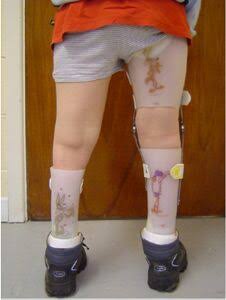
A KAFO may incorporate components such as uprights, knee joints, ankle sections, foot plates, straps and other supportive elements. The exact design depends on the individual’s condition and the level of control required.
How Does a KAFO Work?
A KAFO works by providing external support to parts of the lower limb that may be weak, unstable or difficult to control voluntarily. It can help position the leg and limit unwanted movements while allowing appropriate movement where possible.
Knee Support
One of the key functions of a KAFO is helping stabilise the knee. This can be particularly important for people whose knee tends to buckle during standing or walking.
Depending on its design, a KAFO may help maintain the knee in a controlled position during weight-bearing. Some designs use mechanical knee joints, while more advanced systems may incorporate stance-control mechanisms that allow the knee to move more naturally during parts of the walking cycle.
Ankle and Foot Support
The lower portion of the KAFO supports the ankle and foot. It can help control ankle position, improve foot alignment and reduce unwanted movements that may affect walking.
For example, appropriate ankle positioning can help the foot maintain a more functional position during standing and reduce the risk of the toes catching on the ground during walking.
Who May Need a KAFO?
KAFOs may be considered for people with conditions that cause substantial lower-limb weakness, instability or impaired motor control. They are commonly used as part of a broader rehabilitation or mobility management plan.
Conditions that may result in a need for a KAFO include certain neurological disorders, spinal cord injuries, muscular weakness and other conditions affecting lower-limb function.
Neurological Conditions
What Is a KAFO? Understanding Knee-Ankle-Foot Orthoses
Neurological conditions can affect muscle strength, coordination and voluntary control. In some cases, a person may have difficulty controlling the knee, ankle or foot while standing or walking.
A KAFO may provide external stability where the muscles and nervous system cannot provide sufficient control on their own.
Muscle Weakness
Significant weakness in the muscles around the knee and lower leg can make standing and walking challenging. A KAFO can provide additional mechanical support and may help compensate for reduced muscle function.
The device does not necessarily restore muscle strength, but it can provide the stability needed to support functional movement.
What Are the Benefits of a KAFO?
The potential benefits of a KAFO vary depending on the individual, their condition and the design of the orthosis. When appropriately prescribed and fitted, a KAFO may provide several advantages.
Improved Stability
A KAFO can help stabilise the lower limb during standing and walking. By controlling unwanted movement at the knee and ankle, it may provide greater confidence when weight-bearing.
Support for Walking
For some users, improved joint stability can make walking more manageable and potentially safer. The orthosis may help create a more controlled walking pattern by supporting areas affected by weakness or poor motor control.
Increased Independence
By providing additional physical support, a KAFO may help some people perform everyday mobility tasks with greater independence. Depending on their abilities, users may find it easier to stand, transfer or walk with the appropriate orthotic support.
Protection and Positioning
A KAFO can also help maintain more appropriate alignment of the lower limb. Controlling excessive or unwanted movement may help reduce mechanical stresses associated with an unstable walking pattern.
What Are the Different Types of KAFOs?
KAFOs are not all the same. The design selected depends on the person’s physical requirements and functional goals.
Conventional KAFOs
Traditional KAFOs often use metal or lightweight uprights connected to mechanical knee and ankle components. They can provide substantial stability and may be appropriate when strong external control is required.
Plastic KAFOs
Plastic designs may use thermoplastic materials shaped around the leg. These can provide a more customised fit and may be designed to manage specific alignment or movement requirements.
Stance-Control KAFOs
Stance-control KAFOs are designed to provide knee stability when the person is standing or placing weight through the leg while allowing greater knee movement during the swing phase of walking.
This can potentially create a more natural walking pattern than a conventional locked-knee design for appropriately selected users.
KAFO vs AFO: What Is the Difference?
The main difference between a KAFO and an AFO is the amount of the lower limb they support.
An AFO primarily supports the ankle and foot. It may be suitable when the main concerns involve foot position, ankle stability or conditions such as foot drop.
A KAFO extends above the ankle and provides additional support around the knee. It may therefore be considered when knee stability is also compromised.
The most appropriate device depends on the person’s individual needs. A more extensive orthosis is not automatically better; the goal is to provide the right amount of support while allowing as much functional movement as possible.
How Is a KAFO Fitted?
A KAFO should be assessed, designed and fitted by a qualified orthotist. The process typically begins with an assessment of strength, joint range of motion, alignment, gait and functional goals.
Assessment and Prescription
The orthotist considers how the person’s lower limb functions during standing and walking. They may also assess footwear, balance, skin condition and the person’s daily activities.
Customisation and Fitting
A KAFO can be customised to provide the required level of support while aiming to maximise comfort and usability. After fitting, adjustments may be required to optimise alignment, pressure distribution and function.
Users should follow their clinician’s instructions regarding wearing schedules and should report persistent discomfort, pressure areas or changes in function.
Are KAFOs Comfortable?
Comfort is an important consideration when using any orthosis. A properly designed and fitted KAFO should provide necessary support without causing avoidable pressure or discomfort.
However, adapting to a KAFO can take time. Users may need to gradually increase wearing time as recommended by their orthotist. Appropriate footwear and clothing can also affect comfort and ease of use.
Any persistent redness, skin irritation, pain or pressure should be discussed with the treating orthotist rather than ignored.
How Long Does a KAFO Last?
The lifespan of a KAFO depends on factors such as its materials, construction, frequency of use, body changes and the demands placed on the device. Children may require replacements or adjustments more frequently because they are growing.
Regular reviews can help ensure the KAFO continues to fit correctly and provide appropriate support. Components may sometimes be repaired or replaced rather than replacing the entire orthosis.
Is a KAFO Right for You?
A KAFO can be an important mobility aid for people who require support across the knee, ankle and foot. It may help improve lower-limb stability, support standing and walking, and promote greater independence for appropriately selected users.
However, choosing an orthosis should always be an individual decision based on a professional assessment. An orthotist can evaluate your movement, strength, alignment and functional goals to determine whether a KAFO or another type of orthosis is appropriate.
Understanding how KAFOs work can make it easier to discuss your options with your healthcare team. With the right design, fitting and ongoing review, a KAFO can provide valuable support while helping users achieve their mobility goals.