What Are Orthotics and How Do They Work?
Foot pain can have a significant impact on your daily life, affecting the way you walk, exercise, work, and even stand for extended periods. Many people assume sore feet are simply part of getting older or spending long hours on their feet, but ongoing discomfort is often a sign of an underlying issue. Orthotics are one of the most effective ways to improve foot function, reduce pain, and support overall mobility.
Whether you are dealing with plantar fasciitis, flat feet, high arches, or general foot fatigue, orthotics are designed to provide personalised support that helps your feet function more efficiently. Understanding what orthotics are and how they work can help you decide whether they are the right solution for your needs.
What Are Orthotics?
Orthotics are specially designed shoe inserts that support, align, and improve the function of your feet. Unlike standard insoles that simply provide cushioning, orthotics are created to address specific biomechanical issues that may be contributing to pain or discomfort.
Orthotics work by redistributing pressure across your feet, improving alignment, and encouraging a more natural walking pattern. They can be used to relieve symptoms caused by a wide variety of conditions while helping prevent further strain on your muscles, joints, and ligaments.
Depending on your needs, orthotics may be either custom-made or purchased as prefabricated devices. While both provide support, custom orthotics are individually designed to match the unique shape and movement of your feet, making them particularly effective for long-term conditions.
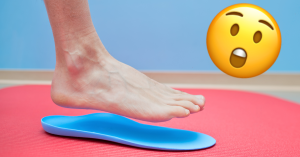
What Are Orthotics and How Do They Work?
How Do Orthotics Work?
Every time you take a step, your feet absorb forces that travel through your ankles, knees, hips, and lower back. If your feet are not properly aligned, these forces become unevenly distributed, leading to excessive stress on certain muscles and joints.
Orthotics work by correcting these imbalances.
Rather than forcing your feet into an unnatural position, orthotics gently guide your feet into a more efficient alignment. This allows pressure to be spread more evenly while reducing excessive movement that may contribute to pain or injury.
The result is improved stability, better shock absorption, and enhanced comfort during daily activities.
Improving Foot Alignment
Many people naturally overpronate or underpronate when walking. Overpronation occurs when the foot rolls too far inward, while underpronation causes the foot to remain too rigid during movement.
Orthotics help guide the foot into a healthier position, improving the alignment of the ankles, knees, hips, and spine.
Reducing Pressure
Uneven pressure is one of the leading causes of foot pain. Certain areas of the foot may bear significantly more weight than others, resulting in soreness, inflammation, or calluses.
Orthotics redistribute body weight more evenly across the entire foot, reducing excessive pressure on sensitive areas.
Providing Arch Support
Your arches play an essential role in absorbing shock and maintaining balance. People with flat feet or unusually high arches often struggle with poor weight distribution.
Orthotics provide structured arch support that helps maintain the natural shape of the foot while improving stability.
Enhancing Shock Absorption
Walking and running create repeated impact forces that travel throughout the body.
Orthotics use carefully selected materials to absorb some of these forces before they reach your joints, reducing stress on your feet, knees, and lower back.
Who Can Benefit from Orthotics?
Orthotics are suitable for people of all ages and activity levels. They are commonly recommended for individuals experiencing ongoing foot pain, but they can also help prevent future problems.
People who may benefit include:
Individuals with plantar fasciitis
People with flat feet
Those with high arches
Athletes
Workers who stand for long periods
Older adults
People with diabetes
Individuals recovering from lower limb injuries
Even if you are not experiencing severe pain, orthotics can improve comfort during everyday activities.
Common Conditions Treated with Orthotics
Orthotics are used to manage a wide range of musculoskeletal conditions.
Plantar Fasciitis
Plantar fasciitis is one of the most common causes of heel pain. It occurs when the thick band of tissue running along the bottom of the foot becomes inflamed.
Orthotics reduce strain on the plantar fascia by improving foot alignment and supporting the arch.
Flat Feet
People with flat feet often experience poor shock absorption and increased strain on muscles and ligaments.
Orthotics provide structured support that helps restore proper foot mechanics.
High Arches
High arches place excessive pressure on the heel and ball of the foot.
Orthotics help distribute pressure more evenly while improving stability.
Bunions
Although orthotics cannot remove bunions, they can reduce pressure around the affected joint, making walking more comfortable.
Achilles Tendon Pain
Poor foot mechanics often contribute to excessive stress on the Achilles tendon.
Orthotics help reduce abnormal movement and relieve tension during walking and running.
Knee, Hip, and Lower Back Pain
Since the feet form the foundation of the body’s movement, poor foot alignment can affect the entire kinetic chain.
Correcting foot posture with orthotics often reduces stress placed on the knees, hips, and lower back.
Custom Orthotics vs Prefabricated Orthotics
Not all orthotics are the same.
Custom Orthotics
Custom orthotics are designed specifically for your feet following a professional assessment. A podiatrist evaluates your walking pattern, foot posture, and biomechanics before creating inserts that precisely match your needs.
Benefits include:
Personalised support
Greater durability
Better long-term comfort
Improved correction of biomechanical problems
Prefabricated Orthotics
Prefabricated orthotics are mass-produced inserts available in standard sizes.
They may provide adequate support for mild discomfort or temporary issues but generally lack the precision needed for more complex foot conditions.
What Happens During an Orthotics Assessment?
Before recommending orthotics, a healthcare professional performs a comprehensive assessment.
This usually includes:
Reviewing your medical history
Discussing your symptoms
Examining your feet
Assessing your walking pattern
Checking joint mobility
Evaluating muscle strength
Measuring foot posture
Some clinics also use digital gait analysis or 3D foot scanning technology to obtain highly accurate measurements.
The information gathered allows the practitioner to design orthotics that match your unique foot structure and movement patterns.
How Long Does It Take to Adjust to Orthotics?
Most people require a short adjustment period when they first begin wearing orthotics.
It is generally recommended to wear them for a few hours each day before gradually increasing usage over one to two weeks.
During this period, your muscles and joints adapt to the improved alignment. Mild soreness is common initially, but significant pain should always be discussed with your healthcare provider.
Once fully adjusted, most people notice improved comfort during walking, standing, and physical activity.
How Long Do Orthotics Last?
The lifespan of orthotics depends on their materials, how frequently they are worn, and the level of activity they are exposed to.
Custom orthotics commonly last between two and five years with appropriate care, although some may last even longer.
Regular reviews help ensure they continue providing effective support as your feet and activity levels change over time.
Caring for Your Orthotics
Proper maintenance helps maximise the life of your orthotics.
Simple care tips include:
Clean them regularly using a damp cloth.
Allow them to air dry naturally.
Avoid exposing them to excessive heat.
Transfer them carefully between suitable shoes.
Have them checked if they become worn or uncomfortable.
Looking after your orthotics ensures they continue performing as intended.
Final Thoughts
Orthotics are far more than simple shoe inserts. They are clinically designed devices that improve foot function, enhance alignment, and reduce stress throughout the body. By correcting the way your feet move, orthotics can relieve pain, improve stability, and make everyday activities more comfortable.
Whether you experience chronic heel pain, flat feet, sports injuries, or discomfort after standing all day, properly fitted orthotics can provide lasting support and help you move with greater confidence. If you are experiencing persistent foot, knee, hip, or lower back pain, a professional assessment can determine whether custom orthotics are the right solution for improving your mobility and long-term foot health.