Walking With a Fractured Foot: What You Need to Know
Walking with a fractured foot can be uncomfortable, inconvenient and sometimes unsafe. While some people can place weight on a fractured foot, others need to avoid walking completely for a period of time. Whether you can walk depends on the type, location and severity of the fracture, as well as the treatment recommended by your healthcare professional.
Understanding when walking is appropriate, how to protect your foot and what warning signs to watch for can help support a safer recovery. If you suspect you have fractured your foot, professional assessment is important because being able to walk does not necessarily mean that the injury is minor.
Can You Walk With a Fractured Foot?
Whether you can walk with a fractured foot depends on the specific injury. Some stable fractures allow weight-bearing as tolerated, particularly when the foot is protected with appropriate footwear or a walking boot. Other fractures require partial or complete avoidance of weight-bearing while the bone heals.
Being able to walk after an injury does not rule out a fracture. Some people can continue walking despite a broken bone, while others experience severe pain and cannot put any weight through the foot.
Your healthcare professional will determine whether weight-bearing is appropriate based on your examination, imaging and fracture characteristics.
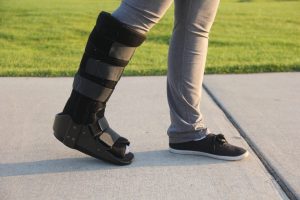
Walking With a Fractured Foot: What You Need to Know
Why Walking Can Be Painful
Walking places pressure through the bones, joints, muscles and soft tissues of the foot. When a bone is fractured, this loading can increase pain and swelling. The amount of discomfort can vary depending on the location and severity of the injury.
If walking significantly increases your pain, reduce your activity and follow the weight-bearing instructions provided by your healthcare professional.
Why Weight-Bearing Instructions Matter
After a fracture diagnosis, you may be given specific instructions about how much weight you can place through the injured foot. These instructions are designed to protect the healing bone and reduce the risk of complications.
Some people are permitted to bear weight as tolerated. Others may be instructed to use partial weight-bearing or remain completely non-weight-bearing for a period.
Weight-Bearing as Tolerated
Weight-bearing as tolerated means you can generally place weight through the foot according to your comfort and the instructions provided. A walking boot or stiff-soled shoe may be used to protect the injured area.
Even when weight-bearing is permitted, this does not mean you should immediately return to long walks, running or sports.
Partial Weight-Bearing
Partial weight-bearing means placing only a limited amount of weight through the injured foot. Crutches or another walking aid can help you control how much pressure is applied.
Your healthcare professional or physiotherapist can show you how to use walking aids correctly and safely.
Non-Weight-Bearing
Non-weight-bearing means avoiding placing weight through the injured foot. Crutches, a knee scooter or another mobility aid may be recommended depending on your circumstances.
If you have been instructed not to bear weight, do not begin walking on the foot simply because your pain has improved. The bone may still be vulnerable while healing.
Walking Boots and Protective Footwear
A walking boot can help protect certain foot fractures while allowing controlled movement. Depending on the injury, a cast, rigid-soled shoe or other supportive device may be recommended instead.
The purpose of protective footwear is to reduce stress on the injured area and provide stability during movement.
Using a Walking Boot Correctly
If you have been prescribed a walking boot, use it according to your healthcare professional’s instructions. The length of time you need to wear it and whether it should be worn during every weight-bearing activity will depend on your fracture.
Do not make changes to your treatment plan without discussing them with your healthcare provider. If the boot causes significant rubbing, pressure, numbness or increasing pain, seek advice.
How to Walk More Safely With a Fractured Foot
If you have been cleared to walk, take a gradual approach. Shorter distances may be more appropriate initially, particularly if your foot remains swollen or uncomfortable.
Use Walking Aids When Recommended
Crutches and other walking aids can reduce pressure on the injured foot and improve stability. Using them correctly is important because poor technique can place unnecessary strain on your arms, shoulders or uninjured leg.
A physiotherapist can demonstrate the safest technique and help you progress from assisted walking to normal walking when appropriate.
Choose Appropriate Footwear
If you have been advised to use a supportive shoe rather than a boot or cast, choose footwear that provides adequate stability and room for swelling. Avoid high heels, narrow shoes and footwear that increases pressure on the injured area.
Do not remove prescribed protective equipment simply to wear ordinary shoes unless your healthcare professional has advised that this is appropriate.
Take Shorter Steps
Short, controlled steps can make walking easier while your foot is recovering. Avoid rushing, sudden turns and uneven surfaces where possible.
As your symptoms improve, your walking distance can usually be increased gradually according to your treatment plan.
Managing Pain and Swelling While Walking
Pain and swelling are common during foot fracture recovery. Increasing your activity can temporarily cause more swelling, particularly after prolonged standing or walking.
Resting with the foot elevated can help reduce swelling. Cold therapy may also provide temporary relief when used safely. Wrap a cold pack in a cloth and avoid applying it directly to the skin.
If pain consistently increases after walking, speak with your healthcare professional. It may indicate that your activity level needs to be reduced or that your recovery should be reassessed.
How Long Before You Can Walk Normally?
There is no single timeline for returning to normal walking. Many uncomplicated foot fractures heal over approximately six weeks, although some fractures take six to twelve weeks or longer.
Your ability to walk normally may return before the bone has regained its full strength. Conversely, you may experience stiffness, swelling or mild discomfort for several months even after the fracture has healed.
Returning to Everyday Activities
A gradual return to everyday activities is generally preferable to suddenly increasing your walking distance. Start with manageable amounts of activity and increase them as your symptoms and treatment plan allow.
If you experience increasing pain, significant swelling or a noticeable deterioration after becoming more active, reduce your activity and seek professional guidance.
Returning to Exercise and Sport
Running, jumping and competitive sports place greater stress on the foot than ordinary walking. These activities should usually be reintroduced gradually after appropriate healing.
A physiotherapist can help assess strength, balance, flexibility and movement before you return to higher-impact activities.
What Happens If You Walk Too Soon?
Walking before you have been cleared for weight-bearing can place unnecessary stress on a healing fracture. Depending on the injury, this could contribute to increased pain, delayed healing or displacement of the fracture.
The risk varies considerably between fractures, so it is important not to compare your recovery with someone else’s. A friend or family member may have been allowed to walk immediately after their fracture, while your injury may require much stricter protection.
Signs You Should Stop Walking and Seek Advice
Contact your healthcare professional if walking causes progressively worsening pain, swelling or other symptoms that are not improving as expected.
Urgent medical attention may be required if your foot becomes significantly deformed, numb, unusually cold or changes colour. An open wound associated with a suspected fracture also requires prompt assessment.
If you are wearing a cast or walking boot and develop severe pressure, numbness, colour changes or increasing swelling, seek medical advice rather than continuing to use the device without assessment.
Supporting Your Foot Fracture Recovery
Walking is often an important milestone during foot fracture recovery, but it needs to be approached according to the specific injury. Follow your weight-bearing instructions, use protective equipment correctly and gradually increase activity as your foot heals.
Rest, elevation, appropriate footwear and rehabilitation may all form part of your recovery plan. Physiotherapy can also help restore strength, flexibility, balance and confidence once the fracture has healed sufficiently.
When in Doubt, Get Your Foot Assessed
Walking with a fractured foot is possible for some people, but it is not appropriate for every fracture. The fact that you can put weight on your foot does not necessarily mean that the bone is safe to load.
If you have significant pain, swelling, bruising, difficulty walking or tenderness following an injury, seek professional assessment. Once your fracture has been diagnosed, follow the recommended weight-bearing restrictions and ask your healthcare professional when it is safe to progress.
A gradual return to walking can help protect the healing bone while allowing you to rebuild normal movement and function. With appropriate treatment and rehabilitation, many people can eventually return to their usual daily activities and, when fully recovered, exercise and sport.