Understanding Orthoses After Stroke: A Beginner’s Guide
Recovering from a stroke can involve changes to movement, muscle strength, balance, coordination, and walking ability. For some stroke survivors, these changes can make everyday activities more challenging and may affect independence. Orthoses can provide additional support during rehabilitation by helping position and stabilise parts of the body that have been affected by stroke.
An orthosis is a medical device designed to support, align, protect, or assist a particular part of the body. Following a stroke, orthoses are commonly used to support the lower limb, particularly the foot and ankle. Understanding how these devices work and why they may be recommended can help stroke survivors and their families feel more informed about the rehabilitation process.
What Is an Orthosis?
An orthosis is a device designed to influence the position or movement of a body part. Orthoses can be made from different materials and come in a range of designs depending on the person’s physical needs.
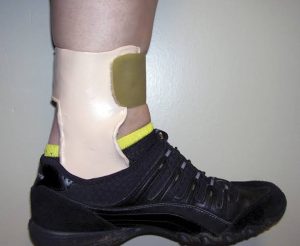
Understanding Orthoses After Stroke: A Beginner’s Guide
After a stroke, an orthosis may be recommended when muscle weakness, reduced motor control, altered muscle tone, or changes in joint positioning affect movement. The purpose is not simply to hold a limb in place. A well-selected orthosis can provide support that complements rehabilitation and helps a person perform functional activities.
Orthosis vs Orthotic
The terms “orthosis” and “orthotic” are often used interchangeably in everyday conversation. An orthosis generally refers to the actual device, while orthotic treatment refers more broadly to the assessment, prescription, fitting, and management of orthoses.
An orthotist is a healthcare professional who assesses physical movement and prescribes, designs, fits, and reviews orthoses based on individual requirements.
Why Might Someone Need an Orthosis After Stroke?
A stroke can affect the brain areas responsible for controlling movement. Depending on which areas are affected, a person may experience weakness or difficulty controlling one side of the body.
Some people develop difficulty lifting the front of the foot while walking, commonly known as foot drop. Others may have reduced ankle stability, changes in muscle tone, or difficulty maintaining an appropriate foot position.
An orthosis may provide external support to help manage these challenges and make certain movements more controlled.
Common Reasons for Orthotic Treatment
Orthotic treatment after stroke may be considered for several reasons, including:
Supporting the ankle and foot during walking
Helping manage foot drop
Improving foot clearance during the swing phase of walking
Providing additional ankle stability
Supporting lower-limb alignment
Helping maintain a functional position
Supporting safer and more efficient movement
The suitability of an orthosis depends on the individual’s physical assessment and rehabilitation goals.
What Is an Ankle-Foot Orthosis?
An ankle-foot orthosis, commonly called an AFO, is one of the most familiar types of orthoses used after stroke. It is designed to support the foot and ankle and can extend around the lower leg.
Different AFO designs provide different levels of support. Some are relatively flexible and allow controlled movement, while others provide greater restriction and stability.
How Can an AFO Help?
An appropriately selected AFO can help control the position of the foot and ankle during walking. For someone experiencing foot drop, it may help keep the foot in a position that improves toe clearance and supports more controlled foot placement.
An AFO does not restore neurological function or replace rehabilitation. Instead, it can provide mechanical support while the person continues working on strength, coordination, balance, and walking skills.
Different Types of Orthoses
There are many different orthotic designs, and the best option depends on the individual’s needs. AFOs can vary in their materials, stiffness, shape, and mechanical properties.
Some designs are intended to allow more ankle movement, while others are designed to provide greater control. There are also custom-made and prefabricated options.
Custom and Prefabricated Orthoses
A prefabricated orthosis is manufactured in standard sizes and may be suitable for certain individuals. A custom orthosis is designed specifically for a person’s anatomy and functional requirements.
A custom device may be considered when a person has particular alignment requirements, unusual anatomy, significant changes in muscle tone, or needs a more specific level of control.
An orthotist can determine which option is appropriate after assessing the person’s movement and requirements.
How Orthoses Can Support Walking
Walking after a stroke can be affected by weakness, changes in muscle control, reduced balance, and altered movement patterns. These challenges can make walking slower or less stable.
An orthosis may help provide a more controlled position of the foot and ankle. This can assist with aspects of the walking cycle, including lifting the foot during the swing phase and maintaining stability when the foot contacts the ground.
Supporting Mobility and Confidence
When a person has appropriate physical support, they may find certain walking activities easier to practise. An orthosis can therefore be one component of a broader rehabilitation programme.
It is important to remember that confidence should not be the only measure of whether an orthosis is working effectively. The device should be assessed for comfort, fit, function, and its ability to support the individual’s specific goals.
What Happens During an Orthotic Assessment?
An orthotic assessment usually begins with a discussion about the person’s symptoms, daily activities, rehabilitation goals, and difficulties with movement. The orthotist may assess muscle strength, range of motion, muscle tone, balance, standing posture, and walking.
The person’s footwear and usual environments may also be considered. For example, the requirements of someone who primarily walks indoors may differ from those of someone who regularly walks outdoors on uneven surfaces.
Fitting and Follow-Up
Once an orthosis has been selected or manufactured, it should be fitted carefully. The orthotist will check its position, comfort, and interaction with footwear and movement.
Follow-up appointments may be necessary because stroke recovery can involve changes in physical ability. The orthosis may need adjustments as the person’s strength, movement, or functional goals develop.
Getting Used to an Orthosis
It can take time to become comfortable wearing a new orthosis. A gradual wearing schedule may be recommended, depending on the device and individual circumstances.
People should follow the instructions provided by their orthotist and monitor their skin regularly. Redness, pressure, rubbing, pain, or persistent discomfort should be reported to the appropriate healthcare professional.
Choosing Appropriate Footwear
Footwear is an important consideration when using an orthosis. Some devices require shoes with enough space to accommodate the orthosis comfortably.
The orthotist can provide guidance about suitable footwear and may recommend trying the orthosis with the shoes that will be used most frequently.
Orthoses as Part of Stroke Rehabilitation
An orthosis is generally most effective when considered as part of a wider rehabilitation programme. Physiotherapy may focus on improving strength, balance, coordination, and walking technique, while occupational therapy can address everyday activities and independence.
The orthosis provides physical support that may help the person participate in these activities more effectively.
Regular Review Is Important
Stroke recovery is an individual process, and physical needs can change over time. An orthosis that is appropriate during one stage of rehabilitation may require modification or replacement later.
Regular reviews allow the orthotist and rehabilitation team to assess whether the device remains comfortable, functional, and appropriate.
Understanding Your Orthotic Options
Orthoses can play an important role in supporting mobility after stroke, particularly when weakness, foot drop, ankle instability, or altered foot positioning affects walking. However, there is no single orthosis that is suitable for every stroke survivor.
A professional assessment can help identify whether orthotic treatment is appropriate and determine which design best matches the person’s physical needs and rehabilitation goals.
With appropriate assessment, fitting, education, and follow-up, an orthosis can become a useful part of stroke rehabilitation. Understanding how orthoses work is the first step toward making informed decisions about mobility support and ongoing recovery.