Returning to Mobility After a Leg Fracture With a Prosthesis
Returning to mobility after a leg fracture can be a gradual process, particularly for people who rely on a prosthesis. A fracture can affect strength, balance, confidence and the way forces are distributed through the lower body. Recovery may therefore involve more than simply waiting for the bone to heal. It can also require physiotherapy, gait training, prosthetic adjustments and a carefully managed return to everyday activities.
Every fracture and prosthetic user is different, so recovery should be guided by qualified healthcare professionals. The location and severity of the fracture, treatment received, overall health and type of prosthesis can all influence the rehabilitation process.
Understanding Mobility After a Leg Fracture
Mobility can be temporarily reduced after a leg fracture because the injured area may need time to heal before normal weight-bearing and movement can resume. During this period, a person may rely on crutches, a wheelchair, walking frame or other mobility aids.
For someone who uses a prosthesis, the situation can be more complex. A fracture may affect the limb that supports or connects with the prosthesis, potentially requiring changes to normal prosthetic use.
Why Returning to Mobility Takes Time
Bones, muscles and soft tissues all need time to recover after an injury. Even when the fracture itself has healed sufficiently, muscle strength and endurance may have decreased during a period of reduced activity.
Balance and coordination can also be affected. This means returning immediately to a previous level of activity may not be realistic or safe.
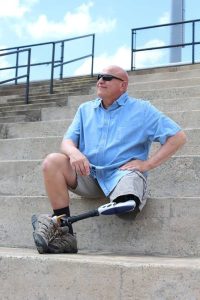
Returning to Mobility After a Leg Fracture With a Prosthesis
Working With Your Healthcare Team
A successful return to mobility generally involves communication between the professionals involved in the individual’s recovery. Depending on the circumstances, this may include a doctor, physiotherapist, prosthetist and other rehabilitation specialists.
These professionals can help establish when movement and weight-bearing are appropriate and identify any changes that may be required to support safe prosthetic use.
Following Weight-Bearing Instructions
One of the most important considerations following a fracture is how much weight can safely be placed through the affected area. Medical advice may initially require no weight-bearing or limited weight-bearing before gradually increasing activity.
Prosthetic users should not assume that being able to tolerate pressure means the fracture is ready for full activity. Weight-bearing should progress according to the treating healthcare professional’s recommendations.
Monitoring Progress
Recovery can vary considerably between individuals. Regular appointments can help monitor healing and determine whether rehabilitation exercises or prosthetic use can be progressed.
Keeping track of changes in pain, swelling, mobility and prosthetic comfort can also help healthcare professionals identify issues that may require attention.
The Role of Physiotherapy
Physiotherapy can play an important role in rebuilding mobility after a fracture. A tailored program may address strength, flexibility, balance, coordination and walking technique.
The exercises used will depend on the fracture and stage of recovery. Rehabilitation generally progresses gradually rather than attempting to restore full mobility immediately.
Rebuilding Strength
Reduced activity can lead to muscle weakness, particularly around the hips and core. Depending on the injury, a physiotherapist may recommend exercises designed to strengthen the muscles involved in standing and walking.
Strengthening may begin with simple controlled movements and progress as the person becomes stronger and the fracture allows greater activity.
Improving Balance
Balance is particularly important for prosthetic users. A fracture can change weight distribution and movement patterns, potentially making it more difficult to remain stable.
Balance exercises can help individuals regain confidence and control. These exercises should be introduced at an appropriate stage of recovery and performed with suitable support when necessary.
Returning to Prosthetic Use
Returning to a prosthesis may need to happen gradually. The appropriate timing depends on the fracture, the affected area and advice from the healthcare team.
Some people may need to use alternative mobility methods temporarily before they can safely resume normal prosthetic use.
Assessing Prosthetic Fit
A fracture, surgery and changes in activity can affect the shape and volume of the residual limb. Swelling may also change the way the socket fits.
A prosthesis that was comfortable before the injury may therefore feel different during recovery. Pressure, rubbing, discomfort or difficulty maintaining a secure fit should be discussed with a prosthetist.
Making Prosthetic Adjustments
A prosthetist can assess whether adjustments to the socket, alignment or other components are appropriate. These changes may help accommodate physical changes and support the person’s rehabilitation goals.
It is important not to make significant changes to prosthetic settings independently, particularly while recovering from an injury.
Gait Training After a Fracture
Walking may feel unfamiliar after a period of limited mobility. Gait training can help a person gradually re-establish an efficient and controlled walking pattern.
Relearning Walking Patterns
A person may unconsciously develop compensatory movements after an injury. For example, they may place more weight on the unaffected side or alter their stride to avoid discomfort.
A physiotherapist can observe walking mechanics and provide exercises and techniques to improve movement. Addressing these patterns can help reduce unnecessary strain on other parts of the body.
Progressing to Different Surfaces
Once basic walking has become more comfortable, rehabilitation may progress to different environments and surfaces. Walking on carpet, grass, slopes or uneven ground can require different levels of balance and control.
These activities should only be introduced when appropriate for the individual’s stage of recovery.
Managing Confidence During Recovery
A fracture can affect confidence as well as physical mobility. Someone who previously walked independently with a prosthesis may feel uncertain about using it again after an injury.
Setting Realistic Goals
Breaking rehabilitation into smaller goals can make the recovery process feel more manageable. Early goals may involve standing safely or walking short distances before progressing to longer periods of activity.
Celebrating gradual improvements can help build confidence without encouraging the person to progress faster than their body allows.
Using Mobility Aids When Needed
Mobility aids can provide valuable support during the transition back to independent movement. Crutches, walking frames or other equipment may be recommended temporarily depending on the individual’s needs.
Using an aid during recovery is not necessarily a setback. It can provide additional stability while strength and confidence are rebuilt.
Returning to Everyday Activities
Returning to daily activities should generally be gradual. Tasks such as shopping, household chores, work and recreational activities can place different demands on the body.
A person may be able to walk short distances but still experience fatigue when standing or walking for longer periods. Building endurance can therefore be an important part of rehabilitation.
Managing Fatigue
Fatigue can be common during recovery. Muscles that have become weaker may have to work harder to maintain stability and movement.
Alternating activity with appropriate rest can help prevent excessive fatigue while gradually improving endurance.
When to Seek Professional Advice
New or worsening pain, significant swelling, skin irritation, persistent pressure from the prosthetic socket or a sudden change in walking ability should be discussed with an appropriate healthcare professional.
Prosthetic users should also seek advice if their prosthesis no longer feels secure or comfortable. Changes in gait can sometimes indicate that the socket, alignment or rehabilitation program needs to be reviewed.
Supporting a Safe Return to Mobility
Returning to mobility after a leg fracture with a prosthesis requires patience and careful planning. Recovery involves more than bone healing; it may also require rebuilding strength, balance, endurance and confidence while ensuring the prosthesis continues to fit and function appropriately.
Take a Gradual Approach
Trying to return to normal activity too quickly can place unnecessary stress on the recovering body. Following professional guidance and progressing activities gradually can help create a safer pathway back to everyday mobility.
Maintain Communication With Your Care Team
Regular communication with doctors, physiotherapists and prosthetists allows potential problems to be identified early. It also provides opportunities to adjust rehabilitation and prosthetic care as recovery progresses.
Conclusion
Returning to mobility after a leg fracture with a prosthesis can be a significant milestone. Although recovery may take time, an appropriate rehabilitation program can help restore strength, balance, walking ability and confidence.
Physiotherapy, gait training, prosthetic assessment and gradual increases in activity can all contribute to the recovery process. Because every fracture and prosthetic user has different needs, rehabilitation should always be tailored to the individual and guided by qualified healthcare professionals.