Rehabilitation After a Leg Fracture: Considerations for Prosthetic Users
Recovering from a leg fracture can be a challenging process for anyone, but rehabilitation can involve additional considerations for people who use a prosthetic limb. A fracture may temporarily affect mobility, balance, strength and confidence, while changes in swelling, muscle condition and movement patterns can also influence how a prosthesis fits and functions.
A carefully planned rehabilitation program can help prosthetic users return to everyday activities safely and comfortably. Depending on the location and severity of the fracture, rehabilitation may involve medical treatment, physiotherapy, prosthetic adjustments and gradual weight-bearing exercises.
Understanding Rehabilitation After a Leg Fracture
Rehabilitation begins once the fracture has been appropriately treated and a healthcare professional determines that movement and exercise are safe. The specific recovery process varies depending on factors such as the type of fracture, treatment method, overall mobility and whether the fracture occurred in the same limb as the prosthesis.
For prosthetic users, rehabilitation may need to address both fracture recovery and the individual’s existing mobility needs. Losing access to a prosthesis, even temporarily, can make everyday activities more difficult and may place additional demands on the other leg, arms or upper body.
Why Rehabilitation Is Important
The main goals of rehabilitation are to restore movement, rebuild strength and improve balance while allowing the injured area to heal. Rehabilitation can also help reduce stiffness and support a safe return to activities.
For someone who relies on a prosthesis, maintaining as much safe mobility as possible is particularly important. Extended periods without using a prosthesis may lead to reduced muscle strength or changes in walking patterns, making the eventual return to prosthetic use more difficult.
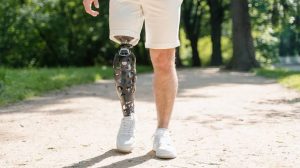
Rehabilitation After a Leg Fracture: Considerations for Prosthetic Users
How a Fracture Can Affect Prosthetic Use
A leg fracture can temporarily change the way a prosthetic limb can be used. Depending on the location of the fracture, medical advice may require the individual to avoid weight-bearing or limit certain movements during the early stages of recovery.
Even after weight-bearing is permitted, the prosthesis may not feel the same as it did before the injury.
Changes in Limb Shape and Swelling
Swelling is common following an injury or surgery and can affect the shape and volume of the residual limb. These changes may influence socket fit and comfort.
As swelling decreases and the limb changes during recovery, a previously comfortable socket may become too tight or too loose. Prosthetic adjustments may therefore be necessary throughout rehabilitation.
Changes in Strength and Mobility
A period of reduced activity can result in muscle weakness, reduced endurance and decreased confidence when walking. These changes can affect gait and make everyday movements more tiring.
A rehabilitation program can gradually rebuild strength and help the individual become comfortable using their prosthesis again.
The Role of Physiotherapy in Recovery
Physiotherapy is often an important part of rehabilitation following a leg fracture. A physiotherapist can develop exercises based on the individual’s stage of recovery, mobility requirements and medical restrictions.
The focus may initially be on maintaining movement and strength in areas that can safely be exercised. As healing progresses, rehabilitation can become more focused on standing, balance, walking and functional activities.
Strength and Conditioning Exercises
Exercises may target the muscles used for standing, walking and maintaining balance. Depending on the injury, this could include exercises for the hips, core and remaining lower-limb muscles.
Strength exercises are generally introduced gradually and should follow the recommendations of the treating healthcare team. Attempting to progress too quickly may interfere with recovery.
Balance and Gait Training
Balance can be particularly important for prosthetic users returning to mobility after a fracture. Changes in strength or movement can alter gait and increase instability.
Gait training may involve practising weight distribution, stepping patterns, transfers and walking on different surfaces. The aim is to help the individual develop a safe and efficient movement pattern.
Prosthetic Adjustments During Rehabilitation
Rehabilitation does not necessarily involve simply returning to the same prosthesis settings used before the fracture. Changes to the residual limb, strength and walking pattern may mean that adjustments are required.
A prosthetist can assess the fit and function of the prosthesis and determine whether modifications may improve comfort and mobility.
Monitoring Socket Fit
Socket comfort should be monitored throughout recovery. Persistent pressure, rubbing, pain or changes in skin condition may indicate that the prosthesis requires assessment.
Changes in limb volume can occur throughout the healing process, so a socket that fits well at one stage may require adjustment later.
Checking Alignment and Function
Changes in gait or body mechanics following a fracture can affect how a prosthesis performs. Prosthetic alignment may need to be reviewed if walking feels significantly different after the injury.
Professional assessment can help identify whether the issue relates to strength, gait, socket fit or prosthetic alignment.
Returning to Weight-Bearing and Everyday Activities
Returning to normal activities should generally be gradual. The timeline depends on the fracture, treatment and individual recovery.
A healthcare professional may provide specific guidance about when and how much weight can be placed through the affected area. These restrictions are particularly important for prosthetic users because a prosthesis can change the way forces are transferred through the lower limb.
Taking a Gradual Approach
Early rehabilitation may focus on basic movements and transfers before progressing to standing and walking. As strength and confidence improve, activities can gradually become more demanding.
Individuals should follow their medical and rehabilitation team’s instructions rather than using pain or confidence alone to determine when to increase activity.
Managing Confidence During Recovery
A leg fracture can affect more than physical mobility. After spending time unable to walk normally, some people may feel nervous about putting weight through the limb or using their prosthesis again.
Building Confidence Safely
Structured rehabilitation can provide an opportunity to practise movements in a controlled environment. Starting with achievable goals and gradually increasing activity can help rebuild confidence.
Using appropriate mobility aids during the early stages may also provide additional stability while strength and balance return.
When to Seek Professional Advice
Prosthetic users should communicate with their healthcare and rehabilitation team throughout recovery. New or worsening pain, significant swelling, skin irritation, unusual pressure from the socket or difficulty using the prosthesis should be assessed.
A sudden change in walking ability should also be discussed with an appropriate healthcare professional, particularly if it occurs alongside pain or other new symptoms.
Supporting a Successful Recovery
Successful rehabilitation after a leg fracture involves more than allowing the bone to heal. For prosthetic users, recovery may also involve restoring strength, balance, mobility and comfortable prosthetic use.
Work With a Multidisciplinary Team
Depending on individual needs, rehabilitation may involve doctors, physiotherapists, prosthetists and other healthcare professionals. Working together allows different aspects of recovery to be considered rather than focusing solely on the fracture.
Be Patient With the Process
Recovery timelines vary considerably. Progress may not always be linear, and some days may feel easier than others. Following a structured rehabilitation plan and attending recommended appointments can help support steady progress.
Conclusion
Rehabilitation after a leg fracture can require additional planning for people who use prosthetic limbs. Changes in strength, balance, limb volume and walking patterns can all influence how a prosthesis fits and functions during recovery.
With appropriate medical care, physiotherapy, prosthetic assessment and a gradual return to activity, prosthetic users can work towards restoring mobility and independence. Individual rehabilitation plans should always be developed with qualified healthcare professionals based on the fracture and the person’s specific circumstances.