How to Safely Return to Walking After a Leg Fracture
Returning to walking after a leg fracture can be an important milestone in recovery. However, being able to walk again does not necessarily mean the leg is ready for normal activity. Strength, balance, flexibility and endurance may all need to be rebuilt gradually, particularly after a period of immobilisation or limited weight-bearing.
For people who use a prosthetic limb, returning to walking can involve additional considerations. Changes in muscle strength, balance, residual limb volume and prosthetic fit may affect mobility. A carefully planned rehabilitation program can help individuals progress safely while reducing the risk of setbacks.
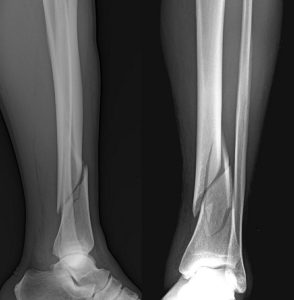
How to Safely Return to Walking After a Leg Fracture
Understanding the Recovery Process
A leg fracture occurs when a bone is partially or completely broken. Recovery depends on factors such as the location and severity of the fracture, the treatment received and the individual’s overall health.
The bone needs sufficient time to heal before normal weight-bearing and activity can resume. A healthcare professional will determine when it is appropriate to increase movement and place more weight through the affected leg.
Why Recovery Takes Time
Even once the fracture has healed sufficiently, the surrounding muscles and joints may not immediately return to their previous level of function. Reduced activity can lead to muscle weakness, stiffness and reduced cardiovascular fitness.
Confidence can also be affected. After spending weeks avoiding weight-bearing, some people may feel nervous about putting their full weight through the leg again.
Follow Medical Advice
One of the most important aspects of returning to walking safely is following the weight-bearing and activity instructions provided by the treating healthcare team.
Attempting to walk without appropriate clearance or increasing activity too quickly can place unnecessary stress on the recovering leg. Recovery should be based on professional assessment rather than simply how comfortable walking feels.
Preparing to Walk Again
Before returning to normal walking, rehabilitation may focus on preparing the body for increased movement. This can involve maintaining flexibility, rebuilding muscle strength and improving general conditioning where appropriate.
Restoring Range of Motion
Stiffness can develop when a leg has been immobilised or movement has been restricted. Depending on the fracture and treatment, gentle range-of-motion exercises may be introduced during rehabilitation.
These exercises should be appropriate for the individual’s stage of healing and performed according to professional guidance.
Rebuilding Muscle Strength
Muscles can weaken considerably during periods of reduced activity. Strengthening exercises may target the hips, thighs, lower leg and core, depending on the injury.
Exercises are generally progressed gradually. Building strength can make standing and walking more controlled and reduce the effort required for everyday movement.
Using Mobility Aids Correctly
Mobility aids such as crutches, walking frames and canes may provide valuable support during the transition back to walking.
Choosing the Right Support
The appropriate mobility aid depends on the individual’s balance, strength and weight-bearing restrictions. A physiotherapist or other healthcare professional can provide guidance on which aid is appropriate.
The aim is to provide sufficient support while allowing rehabilitation to progress.
Reducing Reliance Gradually
As strength and balance improve, a person may be able to reduce their reliance on a mobility aid. This should happen progressively rather than simply abandoning the aid as soon as walking becomes possible.
Continuing to use an aid when needed can help prevent falls and provide additional stability during recovery.
Starting to Walk Safely
When weight-bearing has been approved, walking can generally begin in a controlled and gradual way. Short distances may be more appropriate initially than attempting extended walks.
Focus on Controlled Movement
Early walking should focus on maintaining good posture, appropriate weight distribution and controlled steps. Speed is less important than stability and comfort.
A physiotherapist can assess walking technique and identify any compensatory patterns that may have developed during the injury.
Increase Distance Gradually
As walking becomes easier, distance and duration can be increased progressively. The appropriate rate of progression depends on the individual’s recovery.
Fatigue can affect walking quality, so taking breaks may be important. There is no benefit in pushing through excessive fatigue simply to achieve a particular distance.
Improving Balance and Stability
Balance is an essential part of walking safely. After a fracture, the body’s ability to distribute weight evenly may be temporarily affected.
Practising Balance Exercises
Balance exercises can help improve stability and coordination. Early exercises may be performed with support before progressing to more challenging activities.
Exercises should be selected based on the individual’s abilities and should not exceed any weight-bearing restrictions.
Preparing for Everyday Environments
Once basic walking has improved, rehabilitation may incorporate changes in direction, different surfaces and other everyday challenges.
Walking on grass, slopes or uneven ground requires greater balance and control than walking on a flat indoor surface. These challenges should be introduced gradually.
Returning to Walking With a Prosthesis
For prosthetic users, returning to walking may require additional assessment. A fracture can change strength, movement patterns and the shape or volume of the residual limb.
Checking Prosthetic Fit
Swelling and changes in the residual limb can affect socket fit. A prosthesis that fitted comfortably before the fracture may feel different during recovery.
Pressure, rubbing, discomfort or difficulty keeping the prosthesis secure should be assessed by a prosthetist.
Reviewing Alignment and Function
Changes in gait can affect how a prosthesis performs. A prosthetist can assess alignment and determine whether adjustments may be appropriate.
Physiotherapy and prosthetic care can work together to address both physical rehabilitation and the functional performance of the prosthesis.
Managing Pain and Fatigue
Some discomfort may occur during rehabilitation, but new or worsening pain should not simply be ignored. Pain can sometimes indicate that an activity needs to be modified or that further assessment is required.
Fatigue is also common when returning to walking after a period of inactivity.
Allow Time for Recovery
Rest is an important part of rehabilitation. Alternating activity with appropriate recovery periods can help the body adapt to increased physical demands.
Gradual progression is generally more sustainable than trying to return to previous activity levels immediately.
Building Confidence After a Fracture
A fracture can make people fearful of falling or reinjuring themselves. Confidence often improves as mobility and strength return.
Set Achievable Goals
Small goals can provide a practical way to measure progress. These might include walking around the home, completing a short outdoor walk or standing for a certain period.
Goals can become progressively more challenging as recovery continues.
Practise Regularly
Consistent rehabilitation can help reinforce movement patterns and build confidence. However, exercise frequency and intensity should be based on professional recommendations.
When to Seek Professional Support
Professional advice should be sought if walking becomes increasingly painful, swelling worsens, balance deteriorates or mobility suddenly changes.
Prosthetic users should also have their prosthesis assessed if the socket becomes uncomfortable, the limb develops persistent skin irritation or walking feels significantly different.
Returning to Normal Activities
Walking is often only one stage of returning to normal life. Once basic mobility has improved, individuals may need to rebuild endurance for work, shopping, household tasks, exercise and other activities.
Gradually Increase Daily Activity
Increasing everyday activity in stages can help build endurance without placing excessive demands on the recovering body.
Activities should be increased according to the individual’s progress and healthcare guidance.
Conclusion
Learning how to safely return to walking after a leg fracture requires patience, gradual progression and appropriate professional guidance. Healing the bone is only one part of recovery; strength, balance, flexibility, endurance and confidence may also need to be restored.
For prosthetic users, additional considerations such as socket fit, limb changes and prosthetic alignment may be important. Working with healthcare professionals, physiotherapists and prosthetists can help create a recovery plan that supports safe and effective mobility.
By following medical advice, using mobility aids when necessary and gradually increasing activity, individuals can work towards returning to comfortable and confident walking while giving their body the time it needs to recover.