How Physiotherapy Supports Fracture Recovery for Prosthetic Users
Recovering from a leg fracture can be a lengthy process, particularly for people who use a prosthetic limb. Alongside allowing the bone to heal, rehabilitation may need to address muscle weakness, reduced mobility, balance changes and difficulties returning to normal walking patterns. Physiotherapy can play an important role in helping prosthetic users regain movement and confidence throughout their recovery.
A physiotherapy program is tailored to the individual and should take into account the type and location of the fracture, treatment received, current mobility and prosthetic needs. By gradually progressing exercises and functional activities, physiotherapy can support a safe return to everyday movement and independence.
Why Physiotherapy Is Important After a Fracture
A period of reduced activity following a fracture can affect the entire body. Muscles may become weaker, joints can become stiff and cardiovascular fitness may decline. For someone who uses a prosthesis, these changes can make walking and maintaining balance more difficult.
Physiotherapy focuses on restoring physical function while respecting any restrictions associated with the healing fracture. Treatment can evolve as recovery progresses, beginning with basic movement and eventually incorporating walking, balance and functional activities.
Supporting a Gradual Return to Movement
Physiotherapy does not mean immediately returning to full activity. Instead, exercises are introduced according to the individual’s stage of recovery and medical advice.
Early rehabilitation may focus on maintaining movement in areas that can safely be exercised. As healing progresses, the program can gradually include strengthening, weight-bearing activities and walking practice.
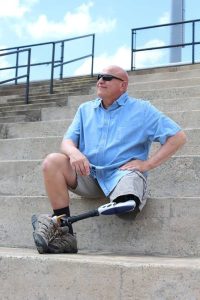
How Physiotherapy Supports Fracture Recovery for Prosthetic Users
Assessing Mobility and Physical Function
Before developing a rehabilitation program, a physiotherapist can assess how the fracture has affected movement. This may include looking at strength, flexibility, balance, gait and the individual’s ability to perform everyday activities.
For prosthetic users, the assessment may also consider how the injury has affected prosthetic use and whether movement patterns have changed.
Identifying Areas of Weakness
Muscle weakness can occur after a period of limited mobility. Depending on the injury, weakness may affect the hips, core, remaining lower limb or muscles used to control the prosthesis.
Identifying these areas allows exercises to be selected specifically for the individual’s needs rather than relying on a generic rehabilitation routine.
Assessing Walking Patterns
A fracture may cause a person to change the way they walk, particularly if they have experienced pain or spent time avoiding weight on the affected area. These changes can sometimes continue even after the fracture has healed.
A physiotherapist can assess gait and identify movements that may benefit from retraining as mobility improves.
Strengthening Muscles During Recovery
Strength is essential for safe and efficient mobility. Prosthetic users often rely on coordinated muscle activity to control their movements, maintain balance and manage changes in terrain.
After a fracture, strengthening exercises may help restore the physical capacity needed for everyday activities.
Lower-Body Strength
Depending on the fracture and medical restrictions, rehabilitation may include exercises targeting the hips, thighs and other muscles involved in standing and walking.
Exercises are generally progressed gradually. As strength improves, movements may become more challenging to prepare the individual for normal daily activities.
Core Strength and Stability
Core strength can also contribute to balance and postural control. A stable trunk can help support controlled movement when standing or walking with a prosthesis.
A physiotherapist can recommend appropriate exercises based on the individual’s abilities and stage of recovery.
Improving Balance and Coordination
Balance can be affected by changes in strength, mobility and weight distribution following a fracture. This can be particularly important for prosthetic users who are returning to independent walking.
Physiotherapy can incorporate balance exercises designed to gradually challenge stability and coordination.
Progressive Balance Exercises
Balance training may begin with simple exercises performed while holding onto a stable surface. As control improves, activities can become progressively more challenging.
The aim is to improve stability while reducing the risk of falls. Exercises should be performed according to professional guidance, particularly during the early stages of recovery.
Gait Retraining for Prosthetic Users
Gait retraining can be an important part of physiotherapy for someone returning to prosthetic use after a fracture. Even a temporary change in mobility can lead to altered walking habits.
Restoring Efficient Movement
A physiotherapist can observe stride length, posture, weight distribution and other aspects of walking. They can then provide exercises and practical techniques to help restore a more controlled gait.
The goal is not necessarily to replicate a person’s previous walking pattern immediately. Instead, gait can be progressively improved as strength, confidence and healing allow.
Practising Different Walking Conditions
Once basic walking is comfortable, rehabilitation may incorporate different surfaces, directions and speeds. These activities can help prepare the individual for everyday environments.
Walking on uneven ground, negotiating steps or changing direction can require greater balance and coordination than walking on a flat surface. These skills can be introduced progressively when appropriate.
Supporting a Return to Prosthetic Use
Physiotherapy and prosthetic care often work alongside one another. A fracture can cause changes in limb strength, swelling and movement patterns, which may affect how a prosthesis feels and functions.
Working With a Prosthetist
A prosthetist can assess socket fit, alignment and component function as the individual’s physical condition changes. Physiotherapy can complement this work by addressing the strength and movement factors that influence prosthetic use.
Communication between professionals can help ensure that rehabilitation and prosthetic adjustments support the same mobility goals.
Monitoring Comfort and Movement
Prosthetic users should report persistent discomfort, rubbing, unusual pressure or difficulty controlling the prosthesis. These issues may require assessment rather than simply being treated as a normal part of recovery.
Changes in gait or limb volume can also indicate that a prosthesis needs to be reviewed.
Building Endurance and Confidence
Recovering from a fracture can affect more than strength. Individuals may become hesitant about walking or returning to activities they previously performed without difficulty.
Physiotherapy can provide a structured environment for gradually rebuilding both physical endurance and confidence.
Increasing Activity Gradually
Early activities may involve short periods of movement followed by rest. As endurance improves, walking distances and activity duration can gradually increase.
This approach can help prevent excessive fatigue while allowing the body to adapt to increasing demands.
Regaining Confidence in Mobility
Successful completion of manageable exercises can help individuals become more comfortable with movement. Over time, this may make everyday activities feel less intimidating.
Confidence should develop alongside physical ability rather than replacing it. Professional guidance can help determine when it is appropriate to progress to more demanding activities.
Physiotherapy and Everyday Independence
The ultimate goal of rehabilitation is often to help the individual return to meaningful everyday activities. These may include getting around the home, shopping, working, exercising or participating in social activities.
Physiotherapy can incorporate functional movements that reflect the person’s lifestyle and goals.
Preparing for Daily Activities
Exercises may eventually include activities such as standing from a chair, walking for longer periods, stepping over obstacles or managing changes in direction.
By practising these movements in a controlled environment, individuals can develop skills that transfer to everyday situations.
When Should Prosthetic Users Seek Physiotherapy?
Anyone recovering from a significant leg fracture should follow their treating healthcare team’s advice regarding rehabilitation. Prosthetic users may benefit from physiotherapy when reduced mobility, weakness, balance difficulties or changes in gait are affecting their recovery.
New pain, increasing swelling, significant skin irritation or a sudden decline in mobility should be discussed with an appropriate healthcare professional.
Conclusion
Physiotherapy can be an important component of fracture recovery for prosthetic users. By focusing on strength, flexibility, balance, gait, endurance and functional mobility, physiotherapy can help individuals work towards returning to their usual activities.
Recovery should always be gradual and tailored to the individual’s fracture, prosthesis and overall circumstances. Working with a physiotherapist alongside the wider healthcare and prosthetic team can provide structured support throughout the rehabilitation process and help prosthetic users move towards greater comfort, confidence and independence.