How Orthotic Treatment Can Support Stroke Recovery
Stroke recovery can involve many challenges, particularly when changes in muscle strength, coordination, balance, and movement affect everyday activities. Walking difficulties are common after a stroke and may make it harder for a person to move independently or safely. Orthotic treatment can be an important part of rehabilitation by providing support to weakened or poorly controlled joints and helping improve movement during daily activities.
Orthoses are specially designed devices worn on part of the body to support alignment, stability, or movement. For people recovering from stroke, an orthosis may help address problems such as foot drop, ankle instability, abnormal positioning, and difficulties during walking. Orthotic treatment is usually provided alongside physiotherapy and other rehabilitation strategies rather than being used as a standalone treatment.
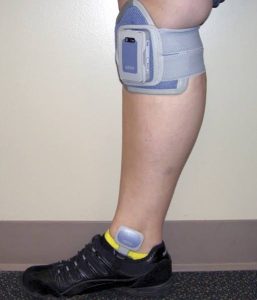
How Orthotic Treatment Can Support Stroke Recovery
What Is Orthotic Treatment After Stroke?
Orthotic treatment involves using a specially selected or customised orthotic device to support a particular physical need. Following a stroke, changes in the nervous system can affect the way muscles work. Some muscles may become weak, while others may become tight or difficult to control.
An orthosis can provide external support where it is needed. The type of device recommended depends on an individual’s symptoms, walking pattern, strength, range of movement, lifestyle, and rehabilitation goals.
Common Orthotic Devices Used After Stroke
Ankle-foot orthoses, commonly called AFOs, are among the most frequently used orthotic devices for people experiencing walking difficulties after stroke. An AFO supports the foot and ankle and can help control their position during different stages of walking.
Other orthotic devices may be considered depending on the affected area and the individual’s functional requirements. A qualified orthotist can assess movement and recommend an appropriate device based on the person’s specific needs.
How Orthoses Can Help With Foot Drop
Foot drop is a common movement problem following stroke. It occurs when a person has difficulty lifting the front part of the foot while walking. This can cause the toes to catch on the ground, potentially making walking less efficient and increasing the risk of trips.
An appropriate AFO can help hold the foot and ankle in a more suitable position during walking. This may make it easier to clear the foot from the ground and place the foot more securely when taking a step.
Supporting Safer Walking
When foot positioning and ankle control are improved, an orthosis may help create a more stable walking pattern. Better support can be particularly useful when navigating everyday environments such as stairs, uneven surfaces, or busy public areas.
However, an orthosis should not be considered a universal solution for every person with foot drop. Assessment by an orthotist and rehabilitation team is important to determine whether orthotic treatment is appropriate.
Supporting Balance and Stability
Stroke can affect balance and postural control, making standing and walking more difficult. Weakness around the ankle can further contribute to instability.
An orthosis may provide additional support around the foot and ankle, helping maintain a more controlled position while standing and moving. This external support can allow some people to participate more confidently in rehabilitation exercises and functional activities.
Improving Lower-Limb Alignment
Lower-limb alignment can influence how forces move through the leg during standing and walking. An appropriately fitted orthosis can help guide the foot and ankle into a more functional position.
Good alignment does not necessarily mean that an orthosis will completely correct a person’s walking pattern. Instead, it can provide a foundation for more controlled movement while rehabilitation continues.
Orthotic Treatment and Physiotherapy
Orthotic treatment often works alongside physiotherapy. While an orthosis can provide physical support, physiotherapy can focus on strength, balance, coordination, flexibility, and functional movement.
Using an orthosis during rehabilitation may help a person practise walking with improved foot and ankle positioning. The rehabilitation team can monitor progress and determine whether adjustments to the device or treatment approach are needed.
A Collaborative Approach to Recovery
Stroke rehabilitation commonly involves several healthcare professionals working toward shared functional goals. Depending on individual needs, this may include an orthotist, physiotherapist, occupational therapist, doctor, and other members of the rehabilitation team.
Communication between these professionals can help ensure that orthotic treatment complements the person’s overall rehabilitation plan.
Choosing the Right Orthosis After Stroke
There is no single orthosis that is suitable for every stroke survivor. Several factors need to be considered before a device is selected.
These factors can include muscle strength, range of motion, spasticity, balance, walking ability, footwear, lifestyle, and the person’s rehabilitation goals. The environment in which the orthosis will be used can also influence the design.
Why Professional Assessment Matters
A professional orthotic assessment allows the orthotist to examine how a person stands and walks and identify areas where additional support may be beneficial. The orthotist can then consider different designs and materials before recommending an appropriate solution.
Fit is also important. An orthosis that does not fit correctly may cause discomfort, pressure, skin irritation, or difficulty wearing footwear. Regular reviews can help identify whether modifications are required as recovery progresses.
Adjusting Orthotic Treatment During Recovery
Stroke recovery can change over time. Strength, muscle control, walking ability, and functional goals may improve or change during rehabilitation. As a result, an orthosis that was suitable at one stage may eventually need adjustment.
Regular follow-up with an orthotist can help ensure that the device continues to meet the person’s needs. Changes may include modifications to the existing orthosis, a different design, or changes in how and when it is used.
Comfort and Skin Care
Comfort should be an important consideration when using an orthosis. People should follow the wearing instructions provided by their healthcare professional and regularly check the skin for areas of redness, rubbing, or pressure.
Persistent discomfort or skin problems should be discussed with an orthotist rather than ignored. Small adjustments can sometimes make a significant difference to comfort and usability.
Potential Benefits of Orthotic Treatment
Depending on the individual’s condition and treatment goals, orthotic treatment may help support improved foot positioning, ankle stability, walking efficiency, and functional mobility. It can also provide physical support while a person works on improving strength and motor control through rehabilitation.
The benefits vary between individuals. Orthotic treatment should therefore be based on an individual assessment rather than a general expectation that a particular device will produce the same result for everyone.
Taking the Next Step in Stroke Rehabilitation
Orthotic treatment can be a valuable component of stroke rehabilitation, particularly for people experiencing foot drop, ankle weakness, instability, or difficulties with walking. By providing targeted support, an orthosis may help create better conditions for practising functional movement and participating in everyday activities.
The most appropriate treatment depends on each person’s symptoms, physical abilities, goals, and stage of recovery. Working with an experienced orthotist and rehabilitation team can help ensure that the chosen device is properly assessed, fitted, and reviewed as needs change.
For anyone considering orthotic treatment after stroke, a professional assessment is an important first step. With the right combination of orthotic support and rehabilitation, individuals can work toward greater mobility, confidence, and independence as part of their ongoing recovery.