How Long Does a Foot Fracture Take to Heal?
A foot fracture can be painful and disruptive, particularly when it affects your ability to walk, work, exercise or carry out everyday activities. One of the most common questions after a diagnosis is: how long does a foot fracture take to heal?
There is no single recovery time for every fracture. Many uncomplicated foot fractures take around six weeks for the bone to heal, while some fractures can take six to twelve weeks or longer. Importantly, the bone healing is only one part of recovery. Pain, swelling, stiffness and reduced strength can continue for several months after the fracture itself has healed.
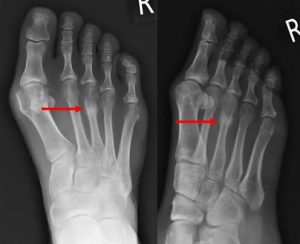
Fracture Take to Heal?
What Is the Typical Healing Time for a Foot Fracture?
For many uncomplicated fractures of the foot, approximately six weeks is a useful general guideline for bone healing. However, this is not a guarantee. Some metatarsal fractures may take six to twelve weeks to heal, depending on their location, severity and individual circumstances.
Toe fractures can have a different recovery timeline. For example, uncomplicated broken toes commonly heal within four to six weeks, although some symptoms can persist beyond this period.
Your healthcare professional can provide a more personalised estimate after assessing the fracture and reviewing any imaging.
Bone Healing vs. Complete Recovery
It is important to understand that a fracture being healed does not necessarily mean your foot will immediately feel completely normal. The bone may have joined successfully while surrounding tissues remain stiff, weak or swollen.
Some people experience mild pain or swelling for three to six months following a foot fracture. Symptoms may be more noticeable after long walks, prolonged standing or heavier activities.
What Factors Affect Foot Fracture Healing Time?
Several factors can influence how quickly a fractured foot heals. The type of fracture is particularly important, but your overall health and how closely you follow your treatment plan can also affect recovery.
Type and Location of the Fracture
The foot contains many bones, and fractures in different locations can behave differently. A straightforward fracture that remains well aligned may heal more predictably than a complex or displaced injury.
Some fifth metatarsal fractures, for example, typically heal in around six weeks, while other metatarsal fractures can take six to twelve weeks.
Stress fractures can also require careful management because they develop through repetitive loading rather than one sudden injury. Some stress fractures heal with activity modification, while particular fracture locations have a greater risk of delayed healing.
Age and General Health
Your body’s ability to repair bone can be influenced by factors such as age, general health and existing medical conditions. Recovery may take longer in some people than others.
Your healthcare professional can consider these factors when recommending treatment and estimating a realistic recovery timeline.
Smoking and Vaping
Smoking can slow bone healing. NHS patient guidance for foot fractures specifically identifies smoking as a factor that can delay recovery. If you smoke or vape, discussing ways to reduce or stop with your healthcare professional may be beneficial while your fracture heals.
What Happens During the First Few Weeks?
The first few weeks after a fracture are generally focused on protecting the injury, managing symptoms and allowing the healing process to begin.
Weeks 1 to 2
Pain, bruising and swelling are common during the early stage. Resting the foot and elevating it when swollen can help with comfort. Depending on the fracture, you may be advised to use a walking boot, rigid-soled shoe, cast or crutches.
Weight-bearing instructions vary significantly between fractures. Some people can place weight through the foot as comfort allows, while others need to avoid or limit weight-bearing. Always follow the instructions provided for your particular injury.
Gentle movement may be recommended when appropriate to help maintain mobility. However, exercises should be performed according to professional advice and should not significantly increase your pain.
Weeks 3 to 6
As healing progresses, pain and swelling should generally begin to settle. Depending on the fracture, you may gradually reduce your reliance on a boot or other protective device.
Some NHS fracture pathways recommend gradually increasing everyday activity as symptoms allow around this stage. However, impact activities such as running and jumping may still need to be avoided.
When Can You Walk After a Foot Fracture?
There is no universal answer because weight-bearing depends on the fracture and treatment plan. Some stable fractures allow early weight-bearing, while more serious injuries require a period of reduced or complete non-weight-bearing.
A walking boot or rigid-soled shoe may make walking more comfortable and protect the foot. Crutches can also be used when additional support is required.
Do not assume that being able to walk means the fracture has completely healed. Bone strength can continue developing after pain has improved.
Returning to Normal Walking
Your return to normal walking should be gradual. You may initially walk shorter distances and increase activity as your symptoms allow.
For some uncomplicated fifth metatarsal fractures, patients may gradually move out of a boot between approximately three and eight weeks, depending on the injury and clinical advice.
When Can You Return to Exercise?
Returning to exercise generally takes longer than returning to basic daily activities. High-impact activities place considerably more stress on the healing bones and should not be resumed simply because walking has become comfortable.
Low-Impact Activities
Your healthcare professional may recommend gradually reintroducing appropriate low-impact activities before running or jumping. The timing depends on the fracture, your symptoms and evidence of healing.
Gentle mobility and strengthening exercises may form part of rehabilitation. A physiotherapist can develop an exercise programme designed around your individual recovery.
Running and High-Impact Sport
Running, jumping, dancing and competitive sports should generally be introduced gradually and only when your healthcare professional considers the fracture sufficiently healed.
Some NHS guidance notes that people with metatarsal stress fractures may return to sports or other activities within approximately ten to twelve weeks, although individual recovery varies.
Why Can My Foot Still Hurt After It Has Healed?
Persistent discomfort does not necessarily mean that the fracture has failed to heal. Swelling, stiffness and weakness can remain for several months.
For some metatarsal fractures, pain and swelling may continue for three to six months, particularly after demanding activities or at the end of the day.
However, symptoms that are severe, worsening or not following the expected recovery pattern should be discussed with your healthcare professional.
Managing Swelling During Recovery
Elevating your foot when resting can help reduce swelling. Cold packs may also provide short-term relief when used appropriately.
As your activity increases, you may notice some swelling after longer periods of walking or standing. Increasing activity gradually can help your foot adapt without placing excessive stress on the recovering bone.
What Can You Do to Support Healing?
Following your treatment plan is one of the most important things you can do during recovery. Use a boot, cast or supportive footwear as instructed, and follow any weight-bearing restrictions.
Avoid returning to impact activities too early, even if your pain has improved. Adequate nutrition, general health management and avoiding smoking can also support the body’s healing process.
Follow Your Rehabilitation Plan
Rehabilitation can help restore range of motion, strength, balance and confidence after a fracture. Exercises should progress gradually and be appropriate for your stage of healing.
If a particular exercise causes increasing or significant pain, stop and seek professional guidance rather than pushing through the symptoms.
When Should You Seek Further Medical Advice?
Contact your healthcare professional if your pain or swelling is increasing rather than improving, if you remain unable to walk as expected or if you have concerns about your recovery.
Some fracture services recommend reassessment when significant pain and swelling remain around six weeks after an uncomplicated metatarsal fracture or when a patient is struggling to move away from a boot.
Urgent assessment may be necessary if you develop severe pain, significant deformity, numbness, unusual colour changes or other concerning symptoms.
How Long Does a Foot Fracture Really Take to Heal?
For many uncomplicated foot fractures, the bone can heal in approximately six weeks, but some injuries take six to twelve weeks or longer. Toe fractures may heal in four to six weeks, while returning to demanding sports and feeling completely normal can take considerably longer.
The most important point is that healing is individual. Your fracture type, treatment, general health and activity level all influence recovery. Follow your healthcare professional’s advice, increase activity gradually and allow your foot enough time to regain strength before returning to high-impact activities.
If your recovery is not progressing as expected, do not simply push through persistent symptoms. A follow-up assessment can help determine whether your foot is healing normally and whether additional treatment or rehabilitation is needed.