Foot Fractures Explained: Symptoms, Treatment & Recovery
Foot fractures are common injuries that can affect people of all ages. They may occur after a sudden accident, such as a fall or sports injury, or develop gradually because of repeated stress on the bones. Although some fractures are minor, others can affect the alignment and stability of the foot and require more specialised treatment.
Recognising the symptoms of a foot fracture and seeking appropriate medical assessment can help prevent complications and support a safe recovery. Treatment varies depending on the location and severity of the fracture, so understanding your options is an important part of managing the injury.
Foot Fractures Explained: Symptoms, Treatment & Recovery
What Is a Foot Fracture?
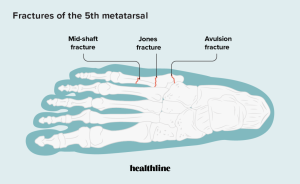
A foot fracture occurs when one or more bones in the foot develop a crack or break. The foot contains 26 bones, including the phalanges in the toes, metatarsals in the middle and forefoot, and tarsal bones toward the rear of the foot.
Fractures can range from small cracks to complete breaks. Some bones may remain in their normal position, while more serious injuries can cause the bone fragments to move out of alignment. Fractures can also be closed, where the skin remains intact, or open, where the broken bone is associated with an open wound.
What Causes Foot Fractures?
Foot fractures can result from either sudden trauma or repeated stress. Understanding the cause can help healthcare professionals determine the most appropriate treatment.
Traumatic Fractures
A traumatic fracture can happen when a significant force is placed on the foot. Common causes include falls, car accidents, sports injuries and accidentally dropping a heavy object onto the foot. Twisting injuries can also fracture certain bones, particularly when the foot is forced into an unusual position.
Stress Fractures
Stress fractures are small cracks that develop when repetitive loading places more stress on a bone than it can tolerate. They are commonly associated with running, jumping and other repetitive activities. A sudden increase in training volume or intensity can increase the risk.
Unlike traumatic fractures, stress fractures may begin with gradually increasing pain rather than a single identifiable injury.
Common Symptoms of a Foot Fracture
Symptoms can vary according to the bone affected and the severity of the injury. Common signs include pain, swelling, bruising and tenderness around the injured area.
Pain and Tenderness
Pain is one of the most noticeable symptoms of a fracture. It may occur immediately after an injury or develop gradually in the case of a stress fracture. Pain may become worse when standing, walking or putting pressure on the affected foot.
Some fractures cause significant tenderness over a particular bone. However, the severity of pain does not always indicate the seriousness of the fracture, so professional assessment may be necessary.
Swelling and Bruising
Swelling can develop shortly after an injury and may extend around the foot or toes. Bruising can also appear as blood vessels are damaged by the trauma.
Keeping the foot elevated while resting may help reduce swelling. Cold therapy can also provide temporary relief, although ice should be wrapped in a cloth to protect the skin.
Difficulty Walking
A fractured foot may make normal walking uncomfortable or impossible. Some people may be able to walk despite a fracture, while others cannot place any weight on the affected foot.
Difficulty walking after an injury should not be ignored, particularly if it is accompanied by significant swelling, deformity or severe pain.
How Are Foot Fractures Diagnosed?
A healthcare professional will usually begin by examining the foot and asking questions about how the injury occurred. They may check for tenderness, swelling, movement limitations and changes in the shape of the foot.
Imaging Tests
X-rays are commonly used to identify fractures and assess the position of the bones. However, some small or early stress fractures may not be immediately visible on an X-ray.
Depending on the injury, additional imaging such as magnetic resonance imaging or computed tomography may be recommended. These scans can provide more detailed information about bones and surrounding structures.
How Are Foot Fractures Treated?
Treatment depends on the type, location and severity of the fracture. The goal is to allow the bone to heal while protecting the foot and gradually restoring normal function.
Rest and Activity Modification
Reducing activities that place stress on the foot is often an important part of treatment. People with stress fractures may need to stop running or other high-impact activities temporarily.
Boots, Casts and Support
Some fractures can be treated using a protective walking boot, stiff-soled shoe or cast. These devices help protect the injured area and can reduce pain during movement.
The recommended type of support depends on the fracture. Following weight-bearing instructions from a healthcare professional is important because putting too much pressure on a healing bone may delay recovery.
Surgery for Foot Fractures
More complicated fractures may require surgery. This can be considered when the bones are significantly displaced, unstable, involve a joint or cannot be adequately aligned through non-surgical treatment.
During surgery, plates, screws, pins or other fixation devices may be used to hold the bones in the correct position while healing occurs. Not every fracture requires an operation, and the decision depends on the individual injury.
How Long Does a Foot Fracture Take to Heal?
Healing time varies considerably. Some uncomplicated fractures may heal within several weeks, while more complex injuries can take considerably longer. Stress fractures may also require an extended period of activity modification before a full return to exercise.
Pain often improves before the bone has completely regained its strength. This means that feeling better does not necessarily mean the foot is ready for unrestricted activity.
What Happens During Foot Fracture Recovery?
Recovery usually involves gradually increasing activity as the bone heals. Follow-up appointments may be used to monitor progress and determine when it is appropriate to reduce protective support.
Rehabilitation and Physiotherapy
After sufficient healing, rehabilitation can help restore strength, flexibility, balance and movement. Exercises may target the foot and ankle as well as the muscles of the lower leg.
A gradual approach can help reduce the risk of returning to strenuous activity too quickly. Athletes may need a structured programme before returning to running, jumping or competitive sport.
Returning to Normal Activities
The return to normal activities should be gradual and based on healing, symptoms and professional advice. Increasing activity too quickly can aggravate the injury or interfere with recovery.
If pain returns when activity increases, it may be necessary to reduce the intensity and seek further guidance.
When Should You Seek Medical Attention?
Prompt medical assessment is recommended when a foot injury causes severe pain, substantial swelling, difficulty bearing weight or visible deformity. An open wound associated with a suspected fracture requires urgent medical attention.
Numbness, unusual colour changes or a cold foot can also indicate a more serious problem and should be assessed promptly.
Preventing Future Foot Fractures
Although not every fracture can be prevented, several habits may help reduce the risk. Wearing appropriate footwear, increasing exercise gradually and allowing adequate recovery between high-impact activities can be beneficial.
Strength and conditioning exercises may also help support the muscles and structures around the foot and ankle. People returning to sport after an injury should follow a gradual progression rather than immediately returning to their previous training level.
Understanding Your Treatment Options
Foot fractures can range from minor cracks to complex injuries requiring surgery. Symptoms such as pain, swelling, bruising and difficulty walking should be taken seriously, particularly following an accident or sudden increase in physical activity.
Early assessment can help identify the type of fracture and determine the most appropriate treatment. Whether management involves rest and activity modification, a protective boot, casting, surgery or rehabilitation, following professional advice is essential.
With appropriate treatment and a gradual return to activity, many people recover well from foot fractures and return to their normal daily activities, exercise and sport.