Everything You Need to Know Before Getting Orthotics
Orthotics have become a popular solution for people experiencing foot pain, discomfort, poor balance, and movement problems. Whether you spend long hours standing, participate in sports, or experience ongoing discomfort while walking, orthotics can provide valuable support and help improve the way your feet function.
However, many people are unsure about what orthotics actually do, whether they need them, and what to expect before getting a pair. Understanding how orthotics work, the different types available, and the assessment process can help you make an informed decision about your foot health.
Everything You Need to Know Before Getting Orthotics
What Are Orthotics?
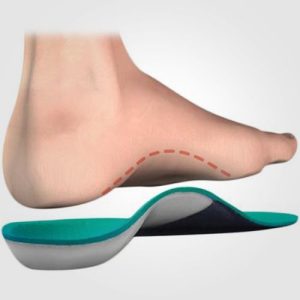
Orthotics are specially designed shoe inserts that support and improve the function of your feet. They are created to help correct biomechanical issues, improve alignment, redistribute pressure, and reduce stress on the feet and lower body.
Unlike regular shoe inserts that mainly provide cushioning, orthotics are designed to address the way your feet move and interact with the ground.
Every step you take places pressure on your feet. When your feet are not properly supported, this pressure can become unevenly distributed, contributing to discomfort and strain in other parts of the body.
Orthotics help guide your feet into a more efficient position, allowing your muscles, joints, and ligaments to work more effectively.
Why Do People Get Orthotics?
People choose orthotics for many different reasons. Some use them to manage existing pain, while others use them to improve comfort, prevent injuries, or support an active lifestyle.
Common reasons people consider orthotics include:
Ongoing foot pain.
Heel pain.
Arch discomfort.
Flat feet.
High arches.
Uneven shoe wear.
Sports-related injuries.
Lower limb alignment issues.
Fatigue from standing for long periods.
Discomfort affecting daily activities.
Orthotics are not only for people with severe foot problems. Many individuals use them to improve comfort and support during everyday movement.
How Do Orthotics Work?
Orthotics work by improving the relationship between your feet and the rest of your body.
When your feet move incorrectly, it can affect your ankles, knees, hips, and spine. For example, excessive rolling of the feet inward or outward can create additional stress throughout the lower body.
Orthotics help by:
Supporting the natural shape of your feet.
Improving alignment.
Reducing excessive movement.
Spreading pressure more evenly.
Improving stability.
Enhancing shock absorption.
The goal is not to stop your feet from moving naturally but to encourage healthier movement patterns.
Supporting Foot Alignment
Proper alignment allows your feet and lower limbs to work together more efficiently.
Orthotics provide support in key areas, such as the arches and heel, helping maintain better positioning during walking and standing.
Reducing Pressure on Sensitive Areas
Certain areas of the foot may experience excessive pressure due to your walking pattern or foot structure.
Orthotics help distribute weight more evenly, reducing stress on areas that may contribute to discomfort.
Types of Orthotics Available
Before getting orthotics, it is important to understand that not all orthotics are the same.
The two main categories are custom orthotics and over-the-counter orthotics.
Custom Orthotics
Custom orthotics are individually designed based on your unique foot structure, movement patterns, and specific needs.
A healthcare professional assesses your feet before creating orthotics that are tailored to provide the right level of support.
Benefits of Custom Orthotics
Custom orthotics offer several advantages, including:
Personalised support.
Improved correction of biomechanical problems.
Better long-term comfort.
Durable materials.
Reduced strain on the body.
Support for complex foot conditions.
They are often recommended for people with chronic pain, structural issues, or specific medical concerns.
Over-the-Counter Orthotics
Over-the-counter orthotics are mass-produced inserts available in standard sizes.
They are designed to provide general cushioning and support rather than address individual foot mechanics.
When Over-the-Counter Orthotics May Help
These inserts may be suitable for people experiencing mild discomfort, occasional foot fatigue, or those looking for additional cushioning in their shoes.
However, they may not provide enough correction for people with more complex issues.
What Happens During an Orthotics Assessment?
Before receiving orthotics, a professional assessment is usually required to determine the best type of support for your feet.
During the assessment, your practitioner may evaluate:
Your medical history.
Current symptoms.
Foot structure.
Walking pattern.
Standing posture.
Joint flexibility.
Muscle strength.
Areas of pressure or discomfort.
Some clinics use advanced technology, such as digital foot scanning and gait analysis, to create a detailed understanding of how your feet function.
This information allows your orthotics to be designed according to your specific requirements.
What Conditions Can Orthotics Help With?
Orthotics are commonly used to support people with a wide range of foot and lower limb conditions.
Plantar Fasciitis
Plantar fasciitis causes pain along the bottom of the foot, particularly around the heel.
Orthotics can help support the arch and reduce strain on the plantar fascia.
Flat Feet
Flat feet can affect how weight is distributed during movement.
Orthotics provide additional support to improve stability and reduce excessive stress.
High Arches
High arches may reduce the foot’s natural ability to absorb shock.
Orthotics help improve cushioning and pressure distribution.
Sports Injuries
Athletes often use orthotics to improve foot stability and reduce stress caused by repetitive movement.
What Should You Expect When Wearing Orthotics?
Adjusting to orthotics can take some time.
When you first begin wearing them, your feet and muscles may need to adapt to the new support and improved alignment.
A gradual introduction is usually recommended.
You may begin by wearing your orthotics for a few hours each day and slowly increase usage as your feet adjust.
Common Adjustment Experiences
During the adjustment period, some people may notice:
Mild muscle fatigue.
Slight pressure changes.
Increased awareness of their feet.
These sensations often improve as your body adapts.
If discomfort continues or worsens, your orthotics should be reviewed by your practitioner.
Choosing the Right Shoes for Orthotics
The effectiveness of orthotics depends partly on the footwear they are used with.
Shoes should provide:
Adequate space for the orthotic.
Good stability.
Proper support.
Secure fastening.
A suitable fit.
Not every shoe works well with orthotics, so choosing appropriate footwear can improve comfort and results.
How Long Do Orthotics Last?
The lifespan of orthotics depends on how often they are used, the materials involved, and your level of activity.
Custom orthotics often last several years with proper care, while prefabricated inserts generally require more frequent replacement.
Regular reviews help ensure your orthotics continue to provide effective support.
Caring for Your Orthotics
Proper maintenance can extend the life of your orthotics.
Helpful care tips include:
Clean them regularly.
Allow them to air dry.
Avoid excessive heat.
Check for signs of wear.
Replace them when they no longer provide adequate support.
Taking care of your orthotics helps maintain their effectiveness and comfort.
Are Orthotics Worth It?
For many people, orthotics provide significant improvements in comfort, mobility, and quality of life.
While the benefits depend on your specific condition and needs, properly designed orthotics can help address the underlying causes of discomfort rather than simply covering up symptoms.
People who experience ongoing pain, movement difficulties, or recurring injuries often find that personalised foot support makes everyday activities easier and more comfortable.
Final Thoughts
Getting orthotics is an important step toward improving foot health and overall mobility. Understanding how orthotics work, what the assessment process involves, and which type of orthotic is right for you can help you make a confident decision.
Whether you need support for a specific condition or want to improve comfort during daily activities, orthotics can provide valuable benefits by improving alignment, reducing pressure, and helping your feet function more efficiently. A professional assessment is the best way to determine the right solution for your individual needs.