Custom vs. Over-the-Counter Orthotics: Which Is Right for You?
Foot pain can make even the simplest daily activities uncomfortable. Whether you experience aching arches, heel pain, sore knees, or discomfort after standing for long periods, the right foot support can make a significant difference. Orthotics are commonly recommended to improve foot alignment, reduce pressure, and relieve pain, but many people are unsure whether they should choose custom orthotics or over-the-counter (OTC) orthotics.
While both options are designed to support your feet, they differ greatly in their design, level of support, durability, and ability to address specific foot conditions. Understanding the differences can help you make an informed decision and choose the solution that best suits your lifestyle, budget, and health needs.
What Are Orthotics?
Orthotics are shoe inserts designed to improve the function of your feet by supporting their natural structure and correcting abnormal movement patterns. Unlike standard cushioned insoles, orthotics are intended to improve biomechanics rather than simply increase comfort.
They work by redistributing pressure across the foot, supporting the arches, improving alignment, and reducing excessive stress on muscles, tendons, and joints. Orthotics can also improve posture and help relieve pain that extends beyond the feet to the ankles, knees, hips, and lower back.
There are two main types of orthotics: custom orthotics and over-the-counter orthotics.
What Are Custom Orthotics?
Custom orthotics are individually designed medical devices created specifically for your feet. A podiatrist or qualified healthcare professional performs a comprehensive assessment of your foot structure, gait, posture, and movement before designing inserts that match your unique biomechanics.
Unlike generic insoles, custom orthotics are made using detailed measurements or digital foot scans. Every curve, arch, and pressure point is considered to create a device that provides personalised support and correction.
Because they are tailored to your feet, custom orthotics are often recommended for people with chronic pain, structural abnormalities, or long-term medical conditions.
Benefits of Custom Orthotics
Custom orthotics provide several important advantages, including:
Personalised support based on your individual foot shape.
Improved alignment of the feet, ankles, knees, and hips.
Greater comfort during prolonged standing and walking.
Long-lasting materials designed for everyday use.
Better management of chronic foot conditions.
Reduced risk of recurring injuries.
Enhanced athletic performance through improved biomechanics.
These benefits make custom orthotics an excellent long-term investment for people with ongoing foot problems.
What Are Over-the-Counter Orthotics?
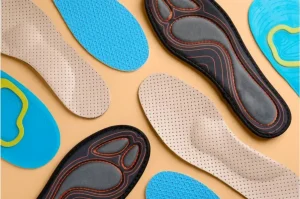
Custom vs. Over-the-Counter Orthotics: Which Is Right for You?
Over-the-counter orthotics are prefabricated shoe inserts that are mass-produced in standard sizes. They are widely available from pharmacies, sporting goods stores, and footwear retailers.
These inserts are designed to provide general support and cushioning for a wide range of users rather than addressing individual biomechanical issues.
Many over-the-counter orthotics are made from foam, gel, or lightweight plastics that improve comfort inside the shoe. While they may help relieve mild discomfort, they do not provide the personalised correction that custom orthotics offer.
Benefits of Over-the-Counter Orthotics
Prefabricated orthotics offer several advantages for certain people.
Benefits include:
Affordable pricing.
Easy availability.
Immediate use without appointments.
Extra cushioning for tired feet.
Suitable for mild discomfort.
Useful for temporary foot fatigue.
Available in many shoe styles.
For individuals with occasional soreness rather than chronic foot problems, these inserts may provide adequate support.
Key Differences Between Custom and Over-the-Counter Orthotics
Although both products fit inside your shoes, they are designed with very different purposes in mind.
Personalisation
The biggest difference is customisation.
Custom orthotics are made specifically for your feet after a professional assessment. Every aspect of the insert is designed to suit your foot shape, walking pattern, and medical condition.
Over-the-counter orthotics are designed to fit as many people as possible using standard sizes.
Support
Custom orthotics provide targeted support where it is needed most.
They help control excessive foot motion, improve alignment, and reduce abnormal pressure.
Over-the-counter orthotics generally provide basic arch support and cushioning but cannot correct complex biomechanical issues.
Durability
Custom orthotics are made from durable materials that often last between two and five years with proper care.
Over-the-counter inserts typically wear out much faster, especially when used daily.
Cost
Custom orthotics require a larger upfront investment because they involve professional assessment, design, and manufacturing.
Over-the-counter orthotics are significantly less expensive but may require more frequent replacement.
Medical Conditions
Custom orthotics are designed to manage diagnosed foot and lower limb conditions.
Over-the-counter orthotics are generally intended for mild discomfort rather than complex medical issues.
Who Should Choose Custom Orthotics?
Custom orthotics are often the better option for people experiencing ongoing pain or diagnosed foot conditions.
You may benefit from custom orthotics if you have:
Plantar fasciitis
Flat feet
High arches
Bunions
Achilles tendon pain
Arthritis
Diabetic foot complications
Knee pain caused by poor foot alignment
Hip or lower back pain linked to foot posture
Frequent sports injuries
Athletes also commonly choose custom orthotics because they provide more precise support during high-impact activities.
Who Should Choose Over-the-Counter Orthotics?
Over-the-counter orthotics may be suitable if your symptoms are relatively mild.
They are often appropriate for:
Occasional foot fatigue.
Mild arch discomfort.
Temporary soreness after long periods of standing.
Additional cushioning in work shoes.
People wanting affordable extra comfort.
If symptoms continue despite using over-the-counter inserts, a professional assessment is recommended.
Can Over-the-Counter Orthotics Replace Custom Orthotics?
This is one of the most common questions patients ask.
The answer depends on the cause of your discomfort.
If your pain is simply due to standing all day or wearing unsupportive shoes, high-quality prefabricated inserts may provide enough relief.
However, if your pain results from structural abnormalities, poor biomechanics, or chronic medical conditions, over-the-counter orthotics are unlikely to provide the level of correction needed.
In many cases, people try multiple generic inserts before eventually seeking custom orthotics, often spending more money over time without addressing the underlying problem.
How Are Custom Orthotics Made?
The process begins with a comprehensive biomechanical assessment.
During your appointment, the practitioner will examine:
Your medical history.
Your symptoms.
Foot posture.
Walking and running gait.
Joint mobility.
Muscle strength.
Areas of excessive pressure.
Digital scans, plaster casts, or foam impressions may be used to capture the exact shape of your feet.
These measurements are then used to manufacture orthotics specifically designed for your unique biomechanics.
Are Custom Orthotics Worth the Investment?
Although custom orthotics cost more initially, they often provide greater long-term value.
Because they are made from durable materials and tailored to your individual needs, they typically last much longer than prefabricated inserts while delivering better pain relief and improved function.
For people living with chronic foot pain, the benefits often extend well beyond the feet. Improved alignment can reduce stress throughout the lower body, helping relieve discomfort in the knees, hips, and lower back while improving overall mobility.
Many people also find they can return to activities they previously avoided due to pain, making custom orthotics a worthwhile investment in their long-term health and quality of life.
Tips for Choosing the Right Orthotics
Before purchasing orthotics, consider the following:
Assess Your Symptoms
Occasional discomfort may respond well to over-the-counter inserts, while persistent pain often requires professional assessment.
Think About Your Lifestyle
People who spend long hours standing, walking, or playing sports generally benefit from more supportive orthotics.
Consider Long-Term Value
While custom orthotics cost more upfront, their durability and effectiveness may reduce ongoing healthcare costs associated with untreated foot problems.
Seek Professional Advice
If your pain lasts longer than a few weeks or affects your daily activities, consulting a podiatrist can help identify the underlying cause and determine the most appropriate treatment.
Final Thoughts
Both custom and over-the-counter orthotics have an important role in supporting foot health, but the right choice depends on your individual needs. Over-the-counter orthotics can provide affordable cushioning and basic support for mild discomfort, making them a practical option for temporary relief.
However, for persistent pain, complex foot conditions, or biomechanical problems, custom orthotics offer a level of personalised support that generic inserts simply cannot match. By improving alignment, reducing pressure, and addressing the root cause of discomfort, custom orthotics can help you walk more comfortably, stay active, and protect your long-term foot health. If you’re unsure which option is right for you, a professional assessment is the best first step toward finding the most effective solution.