Bionic Legs Explained: Separating Fact from Fiction
Introduction: Understanding the Reality of Bionic Leg Technology
Bionic legs have captured the imagination of scientists, engineers, and the public for decades. Often portrayed in movies and popular media as futuristic devices that provide superhuman abilities, bionic legs are becoming a real and rapidly developing area of medical technology. While they may not yet offer the extraordinary capabilities shown in science fiction, modern bionic prosthetic legs are creating new possibilities for mobility, independence, and personalized movement.
A bionic leg combines advanced engineering with medical science to assist people who have experienced limb loss. These devices may include sensors, computerized controls, robotic components, and artificial intelligence systems designed to respond to the user’s movements. The goal is not simply to replace a missing limb but to create a prosthetic system that works more naturally with the human body.
Understanding what bionic legs can actually do requires separating realistic advancements from common misconceptions. By exploring the technology, benefits, challenges, and future possibilities, we can better understand how bionic legs are changing the future of mobility.
What Are Bionic Legs?
The Difference Between Traditional and Bionic Prosthetics
Traditional prosthetic legs are designed to provide structural support and help users perform daily activities. Many modern passive prosthetics use advanced materials, such as carbon fiber, to create lightweight and flexible designs that improve comfort and movement.
Bionic legs take prosthetic technology further by incorporating electronic and mechanical systems. These devices can actively respond to the user’s movements rather than simply supporting them. Sensors collect information about walking patterns, body position, and environmental conditions, allowing computerized systems to make adjustments in real time.
The key difference is that bionic legs are designed to interact dynamically with the user. Instead of requiring the person to adapt entirely to the device, the device can adapt to the person.
How Bionic Legs Work
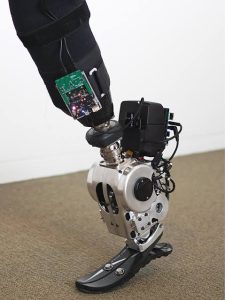
Bionic legs rely on a combination of hardware and software to create more responsive movement. Sensors placed throughout the prosthetic system monitor information such as pressure, angle, speed, and force.
Bionic Legs Explained: Separating Fact from Fiction
A computer processor analyzes this information and determines how the prosthetic should respond. For example, when a person walks on flat ground, the system may use one movement pattern. When the person climbs stairs or walks downhill, the device can adjust to provide different levels of support.
Some advanced bionic legs use powered joints and motors to assist movement. These components can help generate force similar to natural muscle activity, making certain movements easier and more efficient.
Fact: Bionic Legs Are Improving Mobility
Greater Adaptability and Control
One of the biggest advantages of bionic leg technology is improved adaptability. Traditional prosthetics often require users to consciously adjust their movements based on the limitations of the device. Bionic systems aim to reduce this effort by automatically responding to changing conditions.
For example, a computerized knee component can adjust resistance during walking to improve stability. A powered ankle system can help provide movement assistance during activities that require additional energy.
These technologies can help users experience smoother movement and greater confidence while navigating different environments.
Supporting Active Lifestyles
Bionic legs are expanding possibilities for people who want to participate in more active lifestyles. Advanced prosthetic systems are being designed to support activities such as walking on uneven terrain, exercising, and completing everyday tasks with greater ease.
While performance varies depending on the individual and the specific technology, modern bionic legs are helping many users achieve mobility goals that were once difficult to reach.
Fiction: Common Myths About Bionic Legs
Myth: Bionic Legs Give People Superhuman Abilities
Movies and television often portray bionic limbs as devices that provide extraordinary strength, speed, or athletic abilities. In reality, current bionic legs are designed primarily to restore and improve mobility.
Although some advanced prosthetic devices can support impressive physical performance, they do not provide unlimited strength or abilities beyond human capabilities. Their purpose is to help users move more naturally and comfortably.
Myth: Bionic Legs Fully Replicate Natural Human Legs
Another common misconception is that bionic legs function exactly like biological limbs. While technology has made significant progress, a human leg remains an incredibly complex system involving muscles, nerves, bones, and sensory feedback.
Current bionic legs can imitate certain aspects of natural movement, but they do not completely replace all functions of a biological limb. Researchers continue working on technologies that bring prosthetics closer to natural movement and sensation.
Myth: Everyone Can Use Any Bionic Leg
Bionic prosthetics are not one-size-fits-all devices. Each person has unique physical requirements, lifestyle needs, and mobility goals. Factors such as body structure, activity level, rehabilitation progress, and personal preferences influence which type of prosthetic system may be suitable.
Successful use of a bionic leg often involves collaboration between users, prosthetists, therapists, and engineers to create a personalized solution.
The Technology Behind Modern Bionic Legs
Artificial Intelligence and Machine Learning
Artificial intelligence is becoming an important part of bionic prosthetic development. AI systems can analyze movement patterns and learn how individual users walk and interact with their environment.
Over time, intelligent prosthetics may become better at predicting movement and providing personalized support. This could allow future bionic legs to respond more naturally without requiring manual adjustments.
Neural Interfaces and Sensory Feedback
One of the most exciting areas of research involves connecting prosthetic devices with the nervous system. Neural interface technology explores how electrical signals from nerves or the brain can be used to control artificial limbs.
Researchers are also investigating sensory feedback systems that could allow users to experience information such as pressure or contact with surfaces. These advancements could create a stronger connection between the user and the prosthetic device.
Challenges Facing Bionic Leg Development
Cost and Accessibility
Advanced bionic legs involve complex electronics, robotics, and specialized manufacturing processes. These factors can make them more expensive than traditional prosthetic options.
Improving accessibility remains a major goal for researchers and manufacturers. As technology develops and production methods improve, more people may be able to benefit from advanced prosthetic solutions.
Battery Life and Maintenance
Because bionic legs rely on electronic components, they require reliable power sources. Battery life, charging requirements, and long-term maintenance continue to be important areas of research.
Future improvements may create lighter systems with longer-lasting batteries and simpler maintenance requirements, making bionic legs more practical for everyday use.
The Future of Bionic Legs
Moving Toward More Human-Like Movement
The future of bionic legs is focused on creating devices that better understand and respond to human movement. Advances in robotics, artificial intelligence, and neuroscience may allow prosthetics to become increasingly natural and intuitive.
Future systems may combine improved mechanical movement with sensory feedback, allowing users to experience a greater connection with their artificial limbs.
Personalized Mobility Solutions
The next generation of bionic legs will likely focus on personalization. Instead of simply providing basic movement, advanced systems may adapt continuously to a user’s changing needs, activities, and environment.
This shift toward personalized mobility could transform prosthetic technology by creating devices that feel less like external tools and more like integrated extensions of the body.
Conclusion: Understanding the Promise of Bionic Legs
Bionic legs represent one of the most exciting developments in modern prosthetic technology. While they are not the science-fiction devices often shown in movies, they are powerful tools that are improving mobility and independence for many people.
By combining robotics, artificial intelligence, sensors, and medical science, bionic legs are creating new possibilities for movement. Separating fact from fiction allows us to appreciate what these technologies can achieve today while recognizing the incredible potential they may offer in the future.
As research continues, bionic legs will likely become more advanced, more personalized, and more connected with the human body. The journey toward natural, responsive mobility is already underway.