How to Prevent Knee Pain in Children Who Run
Running is an excellent way for children to stay active, develop coordination, build confidence, and improve their overall health. Whether participating in school athletics, cross-country events, running clubs, or recreational sports, children can enjoy many physical and social benefits from running. However, knee pain can sometimes interfere with their ability to train, compete, and participate comfortably.
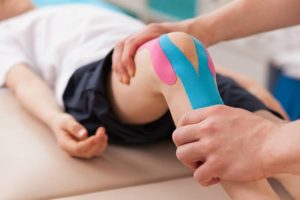
How to Prevent Knee Pain in Children Who Run
Children’s bodies are continually growing, and their bones, muscles, tendons, and joints must adapt to increasing physical demands. When running loads increase too quickly or recovery is insufficient, discomfort may develop around the knee.
The good news is that many running-related knee problems can be managed or reduced through appropriate training, strength development, recovery, and early attention to symptoms. Understanding the causes of knee pain can help parents and coaches support young runners and encourage healthy sporting habits.
Why Do Children Experience Knee Pain When Running?
Growth and Development
Children experience significant physical changes throughout childhood and adolescence. During growth spurts, bones may lengthen faster than surrounding muscles and tendons adapt, potentially changing flexibility, coordination, and movement patterns.
Growth-related conditions can also affect the knee. Repetitive pulling from tendons around developing growth areas may cause discomfort, particularly in children participating in running and jumping sports.
Sudden Increases in Training
One common contributor to running-related knee pain is increasing training distance, speed, or frequency too quickly. A child who suddenly adds extra running sessions or begins preparing for a school cross-country event may place more stress on their body than it is ready to tolerate.
Adequate recovery is essential because muscles, tendons, and bones need time to adapt to repeated loading.
Muscle Strength and Movement Control
Running requires coordination between the hips, thighs, knees, ankles, and feet. Reduced strength or control in the lower limbs may affect how a child manages running loads.
However, knee pain rarely has one simple cause. Training demands, growth, previous injuries, and individual physical characteristics can all contribute, so prevention strategies should be tailored to the child.
Common Causes of Knee Pain in Young Runners
1. Osgood-Schlatter Disease
Osgood-Schlatter disease is a common cause of pain just below the kneecap in growing children and adolescents. It occurs when repetitive pulling from the patellar tendon irritates the developing area at the top of the shinbone.
Symptoms may include tenderness, swelling, or a noticeable bump below the kneecap. Pain often becomes worse during running, jumping, squatting, or other activities involving repeated knee loading.
Management typically involves adjusting painful activities, gradually rebuilding strength, and allowing sufficient recovery. Persistent symptoms should be assessed by a healthcare professional.
2. Patellofemoral Pain
Patellofemoral pain refers to discomfort around or behind the kneecap. It can affect children who participate in running, jumping, and sports involving repeated bending of the knee.
Pain may worsen when running downhill, climbing stairs, squatting, or sitting with the knees bent for long periods.
Appropriate load management and targeted strengthening exercises may help improve symptoms. A physiotherapist can assess movement patterns and recommend exercises suited to the child’s needs.
3. Muscle Strains and Overuse Injuries
Muscle strains can affect the quadriceps, hamstrings, and other muscles that support movement around the knee. They may develop during sprinting, sudden acceleration, or intense training.
Overuse injuries can also occur when repetitive loading exceeds the body’s ability to recover. Pain that repeatedly returns during running should not be ignored, as continuing to train through symptoms may worsen the problem.
Practical Ways to Prevent Knee Pain in Children Who Run
1. Increase Running Training Gradually
Gradual progression is one of the most important strategies for helping young runners manage training demands. Avoid suddenly increasing running distance, speed, or the number of weekly sessions.
When preparing for a school athletics event or cross-country competition, allow enough time for children to build their running capacity progressively.
There is no single percentage-based training rule that suits every child. Consider their age, experience, current fitness, previous injuries, and response to exercise when planning training.
2. Include an Appropriate Warm-Up
A warm-up helps children prepare physically for running and more intense exercise. Begin with several minutes of comfortable movement, followed by dynamic activities suited to their age and sport.
Examples include light jogging, controlled leg swings, marching, and gentle skipping. Children preparing for faster running can gradually increase their pace rather than immediately starting with maximal effort.
Warm-ups are useful preparation, but they cannot eliminate every risk of injury.
3. Develop Hip and Leg Strength
Strength training can help young runners improve their ability to manage physical demands. Age-appropriate exercises may include bodyweight squats, step-ups, calf raises, glute bridges, and controlled single-leg movements.
These exercises can develop strength and movement control around the hips, thighs, and lower legs.
Begin with manageable resistance and focus on good technique. Children should receive appropriate supervision, particularly when learning unfamiliar exercises or using external weights.
4. Allow Enough Rest and Recovery
Children need sufficient recovery between demanding training sessions. Scheduling intense running every day may leave insufficient time for the body to adapt, particularly when children also participate in football, basketball, dance, or other sports.
Encourage regular rest days, adequate sleep, balanced nutrition, and enjoyable activities that do not repeatedly aggravate symptoms.
A varied sporting routine can also help reduce excessive repetition of the same movements throughout the year.
5. Choose Comfortable, Well-Fitting Running Shoes
Footwear should fit properly, feel comfortable, and suit the child’s running environment. Check shoe size regularly because children’s feet can grow quickly.
Replace shoes when they become excessively worn or no longer fit comfortably. Although suitable footwear can improve comfort, no particular shoe can guarantee protection against knee pain or running injuries.
If a child repeatedly experiences discomfort, consider reviewing their footwear alongside their training schedule and other potential contributing factors.
6. Encourage Good Running Habits
Children benefit from developing comfortable and coordinated running movements. However, there is no single ideal running technique for every child, and forcing a child to adopt a particular foot-strike pattern may not be appropriate.
Focus on gradual skill development, comfortable pacing, coordination, and confidence. A qualified coach or paediatric physiotherapist can help identify specific movement difficulties when necessary.
7. Respond to Pain Early
Encourage children to communicate when something hurts. Pain that changes their running technique, causes limping, or becomes progressively worse should prompt a reduction in aggravating activity and appropriate assessment.
Avoid encouraging children to push through significant knee pain to finish a race or training session. Early intervention can help identify the cause and guide a safer return to running.
What Should You Do If Your Child Develops Knee Pain?
Modify Painful Activities
If running causes knee pain, temporarily reduce or stop activities that aggravate the symptoms. Comfortable everyday movement may remain appropriate, depending on the severity and cause of the pain.
Avoid returning immediately to the previous training load simply because symptoms improve after a short rest. A gradual return should reflect the child’s comfort, function, and professional advice where needed.
Seek Professional Assessment
Arrange an assessment if knee pain persists, repeatedly returns, causes swelling, or interferes with walking, school activities, or sport.
Seek urgent medical attention if your child cannot bear weight, develops severe pain after an injury, or has a hot, red, swollen knee accompanied by fever. Significant swelling, knee deformity, or a locked knee also requires prompt evaluation.
A healthcare professional can assess the knee, consider growth-related conditions and other injuries, and recommend appropriate management.
How Can a Paediatric Physiotherapist Help?
A paediatric physiotherapist can assess a young runner’s strength, flexibility, balance, movement control, training demands, and injury history.
Based on the findings, treatment may include activity modification, targeted strengthening, movement exercises, and a progressive return-to-running programme. Parents and coaches can also receive guidance on adjusting training to support recovery.
Professional advice is particularly useful when knee pain repeatedly returns or prevents a child from participating comfortably in sport.
Conclusion
Preventing knee pain in children who run involves more than choosing the right shoes or improving running technique. Young athletes need gradual training progression, appropriate strength development, adequate recovery, and support to recognise pain early.
Growth-related conditions, patellofemoral pain, and overuse injuries can all affect young runners, but the right management depends on the underlying cause.
By establishing healthy training habits and seeking professional advice when symptoms persist, parents and coaches can help children remain active, build confidence, and enjoy running as they grow.