Understanding Sever’s Disease in Young Runners
Heel pain is a common concern among physically active children, particularly those who participate in running, jumping, football, basketball, and other high-impact sports. One of the most frequent causes of heel pain in growing athletes is Sever’s disease, a condition that can make running uncomfortable and interfere with sporting activities.
Although the name may sound concerning, Sever’s disease is generally a temporary, growth-related condition that can be managed with appropriate care. Understanding its causes, symptoms, and treatment options can help parents recognise the signs early and support their children through recovery.
In this article, we explore what Sever’s disease is, why it affects young runners, how it is diagnosed, and what families can do to help prevent recurring heel pain.
What Is Sever’s Disease?
Understanding Calcaneal Apophysitis
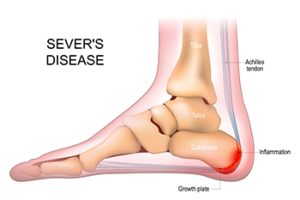
Sever’s disease, medically known as calcaneal apophysitis, is a condition involving irritation of the growth area at the back of the heel bone, called the calcaneal apophysis. This area is where the Achilles tendon attaches to the heel and plays an important role in activities such as running and jumping.
During childhood and adolescence, bones grow and develop through specialised areas of cartilage known as growth plates or growth centres. These structures are more vulnerable to repetitive loading than mature bone.
When a child regularly participates in high-impact activities, repeated pulling from the Achilles tendon and forces through the heel can irritate the developing area. This may lead to pain during or after physical activity.
Despite its name, Sever’s disease is not an infection. It is a common condition affecting growing children and usually improves as the heel matures.
Which Children Are Most Likely to Develop Sever’s Disease?
Sever’s disease most commonly affects children between approximately eight and fourteen years of age, although the timing varies with individual growth and development.
Young athletes who participate in running, athletics, football, basketball, gymnastics, and other sports involving repeated jumping or sprinting may be particularly susceptible.
Children experiencing a growth spurt may also be more likely to develop symptoms because their bones, muscles, and tendons are adapting to rapid physical changes.
Understanding Sever’s Disease in Young Runners
What Causes Sever’s Disease in Young Runners?
Repetitive Impact and Training Loads
Running places repeated forces through the heel with every step. When children increase their training distance, speed, or frequency too quickly, the developing heel may struggle to adapt to the additional load.
Sudden increases in training, intensive sporting schedules, and limited recovery between sessions can contribute to symptoms.
Growth Spurts and Muscle Tightness
During periods of rapid growth, bones can lengthen faster than surrounding muscles and tendons adapt. This may contribute to increased tension through the calf muscles and Achilles tendon.
When the Achilles tendon repeatedly pulls on the developing heel, it can aggravate the sensitive growth area.
However, growth spurts and calf tightness are not the only causes. Sever’s disease often develops through a combination of growth, activity levels, and individual physical factors.
Footwear and Sporting Surfaces
Poorly fitting or uncomfortable shoes may contribute to foot discomfort during exercise. Children who train on different surfaces or suddenly increase their running on hard ground may also notice changes in symptoms.
Footwear and running surfaces are not necessarily the primary cause, but reviewing them can form part of an overall management plan.
What Are the Symptoms of Sever’s Disease?
Heel Pain During or After Running
The most common symptom is pain at the back of the heel, although discomfort may also be felt around its sides. Children often report that symptoms become worse during running, jumping, sprinting, or other high-impact activities.
Pain may initially appear only after exercise. As irritation increases, it may begin earlier during training or interfere with normal walking.
Tenderness and Limping
The affected heel may feel tender when touched or squeezed. Some children may walk on their toes or limp to reduce pressure on the painful area.
Symptoms can affect one heel or both heels. Bilateral symptoms are common, but pain affecting only one heel does not exclude Sever’s disease.
Pain That Improves With Rest
A characteristic feature is that discomfort often settles when the child rests or reduces high-impact activity. However, pain may return when running resumes.
Persistent pain at rest, significant night pain, marked swelling, or symptoms that continue to worsen should prompt medical assessment because other conditions may produce similar symptoms.
How Is Sever’s Disease Diagnosed?
Clinical Assessment
A healthcare professional will usually diagnose Sever’s disease by reviewing the child’s symptoms, sporting activities, growth history, and physical examination findings.
The assessment may include examining the location of tenderness, ankle movement, calf flexibility, walking patterns, and how symptoms respond to particular movements.
The clinician may also ask about recent changes in training, previous injuries, footwear, and the effect of pain on everyday activities.
Are X-Rays or Other Tests Necessary?
Imaging is not routinely required when symptoms and examination findings strongly suggest Sever’s disease. However, a healthcare professional may recommend an X-ray or other investigations if symptoms are unusual, severe, persistent, or suggest another diagnosis.
Conditions such as bone stress injuries, fractures, and infections can sometimes cause heel pain and need to be considered when appropriate.
An accurate assessment helps ensure that the child receives suitable treatment rather than assuming every case of heel pain is Sever’s disease.
How Is Sever’s Disease Treated?
Modify Painful Activities
The first step is usually to reduce or temporarily stop activities that cause significant pain. This may involve modifying running sessions, reducing jumping, or taking a short break from competitive sport.
Complete inactivity is not always necessary. Children may be able to continue comfortable, low-impact activities, depending on their symptoms and professional advice.
A useful guide is to avoid activities that cause limping or worsening pain during exercise or afterwards.
Use Ice for Temporary Pain Relief
Applying a cold pack wrapped in a towel to the affected heel for short periods may help relieve discomfort after activity.
Ice should never be placed directly against the skin. Stop using it if it causes excessive discomfort or skin irritation.
Stretching and Strengthening Exercises
A paediatric physiotherapist may recommend calf stretching, ankle mobility exercises, or progressive strengthening where appropriate.
Exercises should be introduced according to the child’s symptoms and physical capacity. Aggressive stretching or exercise that increases heel pain should be avoided.
Footwear and Heel Supports
Comfortable, well-fitting shoes are important for young runners. In some cases, heel lifts or cushioned heel supports may reduce tension on the Achilles tendon and improve comfort.
These options should be selected according to the child’s needs rather than used as a substitute for assessment and appropriate activity modification.
How Long Does Sever’s Disease Take to Improve?
Recovery varies between children depending on symptom severity, activity levels, growth, and how well training demands are managed.
Some children improve within a few weeks after modifying painful activities, while others experience recurring symptoms over several months, particularly during periods of rapid growth.
Sever’s disease generally resolves as the heel’s growth area matures. However, returning to full training too quickly may cause symptoms to return.
Children should gradually rebuild running volume and intensity once everyday activities are comfortable and they can perform relevant movements without significant pain. A healthcare professional can help determine when a return to sport is appropriate.
How Can Parents Help Prevent Sever’s Disease?
Increase Training Gradually
Avoid sudden increases in running distance, speed, or weekly training sessions. Allow children time to adapt when returning after holidays, illness, or injury.
Encourage Recovery Between Sessions
Adequate rest, sleep, and nutrition support healthy growth and recovery. Children participating in multiple sports may need help balancing their total training demands.
Monitor Symptoms Early
Encourage children to report heel pain as soon as it develops. Repeated discomfort should not be ignored or treated as something every young athlete must tolerate.
Seek Professional Advice When Needed
A paediatric physiotherapist or healthcare professional can help identify contributing factors, recommend appropriate exercises, and develop a gradual return-to-running plan.
When Should You Seek Medical Advice?
Arrange an assessment if heel pain persists, repeatedly returns, affects walking, or prevents your child from participating comfortably in everyday activities.
Seek prompt medical attention if your child cannot bear weight, experiences severe pain following an injury, or develops significant swelling, redness, warmth, or fever. Persistent night pain or unexplained worsening symptoms also require medical evaluation.
These features may indicate a condition other than Sever’s disease and should not be dismissed as normal growth-related discomfort.
Conclusion
Sever’s disease is a common cause of heel pain in young runners, particularly during periods of growth and increased sporting activity. Repetitive impact and tension through the Achilles tendon can irritate the developing heel, causing discomfort during or after exercise.
The good news is that most children improve with appropriate activity modification, gradual rehabilitation, suitable footwear, and adequate recovery. Recognising symptoms early and seeking professional assessment when needed can help reduce disruption to sport and everyday life.
With the right support, young athletes can manage heel pain safely and work towards returning to the running activities they enjoy.