Growing Pains or a Running Injury? How to Tell the Difference
Children often experience aches and discomfort as they grow, particularly when they participate in running, jumping, and other physical activities. For parents, it can be difficult to determine whether their child’s leg pain is a normal part of growing up or a sign of a running injury that needs attention.
Understanding the difference between growing pains and running-related injuries is important for protecting your child’s health while helping them stay active. Although many childhood aches are temporary, persistent or worsening pain should never be dismissed as simply a result of growth.
In this article, we explore the characteristics of growing pains, common running injuries in children, warning signs to watch for, and when to seek professional advice.
What Are Growing Pains?
Understanding Childhood Growing Pains
Growing pains are a common cause of recurring leg discomfort in children, particularly those aged between three and twelve. Despite the name, there is no convincing evidence that the physical process of growing directly causes these episodes of pain.
Growing pains typically affect the muscles around the thighs, calves, and behind the knees. They often occur in the late afternoon or evening and may wake children during the night. By morning, the discomfort has usually disappeared, and children can generally walk, run, and participate in their usual activities without pain.
The discomfort commonly affects both legs, although children may describe symptoms differently from one episode to another.
Common Symptoms of Growing Pains
Typical features of growing pains include:
Aching or throbbing discomfort in the muscles of both legs.
Pain that occurs in the evening or at night.
Symptoms that come and go rather than steadily worsen.
No persistent swelling, redness, or warmth around a joint.
Normal walking and physical activity during the day.
Relief with gentle massage, warmth, or reassurance.
Growing pains are usually diagnosed based on a child’s symptoms and a normal physical examination. Pain that consistently occurs during running, causes a limp, or remains present during the day is less typical and deserves further assessment.
Growing Pains or a Running Injury? How to Tell the Difference
What Is a Running Injury in Children?
Why Young Runners Develop Injuries
Children’s bodies are continually developing. Their bones, muscles, tendons, and growth plates must adapt to the demands of physical activity. Running places repeated forces through the lower limbs, and problems can arise when training demands exceed the body’s capacity to recover.
Running injuries may develop gradually through repetitive loading or occur suddenly during sprinting, jumping, or changing direction. Common contributing factors include increasing training too quickly, inadequate recovery, muscle weakness, and participating in multiple sports without enough rest.
Unlike typical growing pains, a running injury often causes discomfort linked to a particular movement or activity. Symptoms may return during each training session or gradually become more noticeable.
Common Running Injuries That Can Affect Children
1. Sever’s Disease: Heel Pain
Sever’s disease, also known as calcaneal apophysitis, is a common cause of heel pain in physically active children, particularly during periods of growth.
It occurs when repetitive loading irritates the growth area at the back of the heel. Children may experience pain during or after running, jumping, or playing sports. The heel may feel tender, and discomfort can cause limping after exercise.
Unlike typical growing pains, Sever’s disease is closely associated with physical activity and usually affects a specific area of the heel.
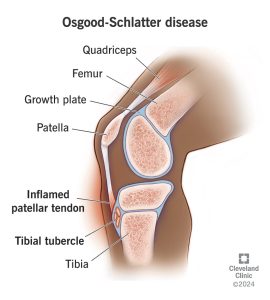
2. Osgood-Schlatter Disease: Pain Below the Knee
Osgood-Schlatter disease causes pain and tenderness around the bony prominence just below the kneecap. It is common in growing children who participate in running, jumping, and sports involving repeated acceleration.
Symptoms often worsen during activity and may improve with rest. Swelling or a noticeable bump below the kneecap can also occur.
Pain that repeatedly returns during exercise should not automatically be attributed to normal growth.
3. Shin Splints
Shin splints, commonly known as medial tibial stress syndrome, cause pain along the inner edge of the shinbone. They can develop when repetitive running loads increase too quickly.
Children may notice aching during or after exercise, particularly following changes in training distance, intensity, or surface.
Localised bone tenderness, worsening pain, or discomfort during ordinary walking may indicate a more significant bone stress injury and requires assessment.
4. Muscle Strains
Muscle strains occur when muscle fibres are overloaded or stretched beyond their capacity. They can affect the hamstrings, quadriceps, or calf muscles.
Unlike growing pains, muscle strains often begin during a specific movement, such as sprinting or accelerating. Symptoms may include sharp pain, tenderness, weakness, and difficulty using the affected muscle.
Sudden pain that affects movement should be assessed rather than ignored.
Growing Pains vs Running Injuries: Key Differences
When the Pain Occurs
Growing pains typically occur in the evening or at night, often after an active day, and are usually gone by morning. Running injuries are more likely to cause pain during exercise, immediately afterwards, or whenever the affected area is loaded.
However, timing alone cannot establish a diagnosis. Some injuries may also cause pain at rest or overnight.
Where the Pain Is Located
Growing pains generally affect the muscles of both legs, often around the calves, thighs, or behind the knees. Running injuries are more likely to cause pain in a particular area, such as one heel, the front of a knee, or a specific section of the shin.
Pain in one leg does not automatically mean there is an injury, but persistent or localised symptoms warrant closer attention.
How Long the Pain Lasts
Growing pains usually come and go, with children feeling comfortable between episodes. Running injuries may persist for days or weeks if the underlying problem is not addressed.
Repeated pain during successive training sessions, worsening symptoms, or discomfort that begins affecting everyday activities should be assessed by a healthcare professional.
Whether Movement Is Affected
Children with typical growing pains generally walk normally and participate in activities without daytime limitations.
Running injuries may cause limping, reduced running speed, difficulty jumping, or reluctance to put weight on the affected leg. These changes are important signs that further assessment may be needed.
When Should Parents Be Concerned?
Warning Signs That Need Medical Assessment
Arrange a medical assessment if your child experiences persistent pain, repeated pain during running, unexplained swelling, localised tenderness, or symptoms that interfere with walking, sleep, or daily activities.
Seek urgent medical attention if your child cannot bear weight, develops severe or sudden pain, or has a hot, red, swollen joint accompanied by fever. Significant pain following an injury, visible deformity, or unexplained night pain also warrants prompt evaluation.
These symptoms should not be assumed to be growing pains.
How Can You Help Prevent Running Injuries in Children?
Increase Training Gradually
Avoid sudden increases in running distance, speed, or training frequency. Children need time to adapt to new physical demands, especially when returning after a break or experiencing a growth spurt.
Prioritise Rest and Recovery
Ensure your child has sufficient rest between demanding sessions. Adequate sleep, balanced nutrition, and opportunities to enjoy different activities help support recovery and healthy development.
Encourage Appropriate Footwear
Choose comfortable running shoes that fit properly and suit your child’s activities. Check footwear regularly as growing feet may quickly outgrow their shoes.
Build Strength and Coordination
Age-appropriate strengthening, balance exercises, and movement activities can help children develop the physical capacity needed for running. A paediatric physiotherapist can recommend exercises tailored to your child’s needs.
Listen to Your Child’s Symptoms
Encourage children to speak openly about discomfort. Avoid pressuring them to finish a race or training session when they experience pain. Early attention to symptoms can help prevent minor problems from becoming more serious.
How Can a Paediatric Physiotherapist Help?
A paediatric physiotherapist can assess your child’s symptoms, movement patterns, strength, flexibility, training schedule, and sporting demands. This assessment can help identify possible contributing factors and determine whether medical referral is needed.
Treatment may involve modifying activity, developing an appropriate strengthening programme, improving movement control, and planning a gradual return to running.
Physiotherapy should be based on an accurate assessment rather than assuming that all leg pain is caused by growth or exercise.
Conclusion
Distinguishing growing pains from running injuries can help parents make informed decisions about their child’s health. Typical growing pains tend to occur in the evening or at night, affect both legs, and disappear by morning. Running injuries are more likely to cause activity-related, localised, persistent, or worsening symptoms.
However, these patterns are not absolute, and symptoms can overlap. If your child develops recurring pain during running, starts limping, or experiences discomfort that affects everyday activities, seek professional advice.
With sensible training progression, adequate recovery, and early assessment when needed, children can continue enjoying running while protecting their developing bodies.