The Most Common Running Injuries in Children and How to Prevent Them
Running is an excellent way for children to stay active, develop coordination, build confidence, and improve their overall physical health. Whether participating in school athletics, cross-country events, local running clubs, or recreational activities, children can enjoy many benefits from running. However, growing bodies have unique needs, and young runners may experience injuries when training demands exceed their body’s ability to recover.
Understanding the most common running injuries in children and knowing how to prevent them can help parents, coaches, and healthcare professionals support safe and enjoyable participation in sport. With appropriate training, suitable footwear, adequate rest, and early attention to pain, many running-related injuries can be reduced.
Why Are Children Vulnerable to Running Injuries?
Children’s bodies are constantly growing and adapting. Their bones, muscles, tendons, and growth plates respond differently to repetitive loading than those of adults. Growth plates are areas of developing cartilage near the ends of long bones, making them particularly important when assessing injuries in young athletes.
Running injuries can develop when children increase their distance, speed, or training frequency too quickly. Repetitive impact may place excessive stress on growing tissues, particularly when combined with inadequate recovery, muscle weakness, poor running mechanics, or unsuitable footwear.
Recognising early symptoms and establishing healthy training habits can help children remain active while reducing the risk of injury.
1. Sever’s Disease (Heel Pain)
What Is Sever’s Disease?
Sever’s disease, also known as calcaneal apophysitis, is a common cause of heel pain in physically active children. It typically affects growing children and adolescents, particularly during periods of rapid growth. The condition occurs when repetitive loading irritates the growth area at the back of the heel.
Children participating in running, jumping, football, basketball, and other impact-based activities may be more likely to develop symptoms.
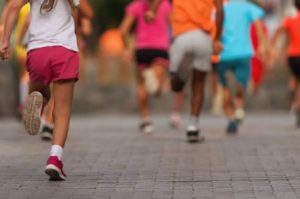
The Most Common Running Injuries in Children and How to Prevent Them
Common Symptoms
Symptoms may include heel pain during or after running, tenderness around the back or bottom of the heel, limping, and discomfort when standing on tiptoes. Pain often improves with rest but may return when physical activity resumes.
How to Prevent Sever’s Disease
Preventive strategies include gradually increasing running volume, incorporating rest days, wearing comfortable and supportive footwear, and avoiding sudden increases in high-impact activities. Calf flexibility and strength exercises may also help when appropriate.
If heel pain persists or affects walking, a healthcare professional or paediatric physiotherapist can assess the cause and recommend suitable management.
2. Osgood-Schlatter Disease (Knee Pain)
What Causes Osgood-Schlatter Disease?
Osgood-Schlatter disease is a common cause of pain just below the kneecap in growing children. It occurs when repetitive pulling from the patellar tendon irritates the developing area at the top of the shinbone.
It is frequently seen in children who participate in running, jumping, and sports involving repeated acceleration and deceleration.
Symptoms to Watch For
Children may experience tenderness, swelling, or a noticeable bump below the kneecap. Pain can worsen during running, jumping, squatting, or kneeling.
Prevention Strategies
To reduce excessive stress on the knee, children should increase training gradually and avoid continuing activities that cause significant pain. Appropriate warm-ups, progressive strengthening of the lower limbs, and sufficient recovery between demanding sessions can help manage training loads.
Persistent knee pain should be assessed by a healthcare professional to confirm the diagnosis and exclude other conditions.
3. Shin Splints
Understanding Shin Splints
Shin splints, commonly used to describe medial tibial stress syndrome, cause pain along the inner border of the shinbone. They can occur when repetitive running loads exceed the body’s capacity to adapt.
Children who suddenly increase their running distance, train on unfamiliar surfaces, or participate in frequent high-impact activities may develop shin pain.
Common Symptoms
Symptoms include aching or tenderness along the shin, particularly during or after running. Pain may initially improve with rest, but continuing to train through symptoms can make the problem worse.
Focal bone tenderness or pain during everyday activities may indicate a more serious injury, such as a bone stress injury, and requires prompt assessment.
How to Prevent Shin Splints
Prevention involves gradually increasing running duration and intensity, allowing adequate recovery, and wearing appropriate running shoes. Strengthening the calf and lower-leg muscles may also support running tolerance.
Children should avoid suddenly adding extra training sessions or substantially increasing their distance, especially when returning after a break.
4. Achilles Tendon Pain
Why Does Achilles Tendon Pain Occur?
The Achilles tendon connects the calf muscles to the heel and plays an essential role in running and jumping. Repeated loading can irritate the tendon or surrounding tissues, particularly when training increases too quickly.
In growing children, heel pain may also originate from the growth plate rather than the tendon itself. Correct assessment is important because these conditions can present similarly.
Symptoms and Prevention
Children may report pain or stiffness at the back of the ankle, discomfort during running, or tenderness around the heel. Prevention includes progressive training, appropriate footwear, adequate recovery, and suitable calf-strengthening exercises.
Sudden severe pain, marked swelling, or difficulty bearing weight should be assessed promptly.
5. Muscle Strains
Common Causes of Muscle Strains
Muscle strains occur when muscle fibres are overloaded or stretched beyond their capacity. In young runners, strains may affect the hamstrings, quadriceps, or calf muscles, particularly during sprinting, sudden acceleration, or intense training.
Fatigue, insufficient preparation, and abrupt increases in training intensity can contribute to the risk.
Preventing Muscle Strains
A progressive warm-up should include light jogging and dynamic movements suited to the child’s age and activity. Gradual speed development, age-appropriate strength training, and adequate recovery can also help.
Children should stop running when sudden muscle pain develops rather than attempting to push through it. Significant pain, bruising, weakness, or difficulty walking warrants professional assessment.
6. Stress Fractures and Bone Stress Injuries
What Are Bone Stress Injuries?
Bone stress injuries develop when repetitive loading damages bone faster than it can repair itself. Stress fractures represent a more advanced form of this process.
They are less common than some other running-related complaints but are important to recognise because continuing high-impact exercise may worsen the injury.
Warning Signs and Prevention
Symptoms may include localised pain that worsens with running, tenderness in one specific area, and eventually pain during walking or at rest.
Prevention includes avoiding sudden increases in training, allowing recovery, maintaining adequate nutrition and energy intake, and addressing persistent pain early. A healthcare professional may recommend imaging when necessary.
Suspected bone stress injuries require medical assessment. Children should not resume running until they have received appropriate guidance.
Practical Ways to Prevent Running Injuries in Children
Increase Training Gradually
Children need time to adapt to increased physical demands. Increase running duration and intensity progressively rather than introducing large changes in distance, speed, or weekly sessions. Avoid relying on a single percentage-based rule for every child; training should reflect their age, experience, recovery, and symptoms.
Prioritise Rest and Recovery
Rest days allow growing tissues to recover between demanding sessions. Children should also get sufficient sleep and have opportunities to participate in varied activities rather than specialising in intense, repetitive training throughout the year.
Choose Appropriate Running Shoes
Well-fitting shoes should provide comfort, sufficient room for growing feet, and suitable support for the child’s activity. Replace footwear when it becomes excessively worn or no longer fits properly. Expensive shoes do not automatically prevent injuries.
Build Strength and Coordination
Age-appropriate exercises that develop balance, coordination, and lower-limb strength can support running performance and physical confidence. Activities may include single-leg balance, controlled squats, calf raises, and hopping progressions under appropriate supervision.
Teach Children to Recognise Pain
Children should understand that pain is a signal worth paying attention to. Persistent or worsening pain, limping, or discomfort that changes running technique should not be ignored. Parents and coaches should encourage open communication without pressuring children to finish every session.
When Should You Seek Professional Help?
Seek medical advice when a child’s pain persists, repeatedly returns, worsens during activity, or interferes with normal walking. Prompt assessment is particularly important for localised bone pain, significant swelling, night pain, or suspected stress fractures.
Urgent medical assessment is appropriate when a child cannot bear weight, develops severe sudden pain, or has a visibly deformed limb. Fever or a hot, red, swollen joint also requires urgent evaluation.
A paediatric physiotherapist or sports medicine professional can assess movement, strength, training demands, and contributing factors before developing an individualised management plan.
Conclusion
Running can be a rewarding and healthy activity for children, supporting physical development, social connection, and confidence. However, common conditions such as Sever’s disease, Osgood-Schlatter disease, shin splints, muscle strains, and bone stress injuries can interfere with participation if early symptoms are overlooked.
The most effective approach combines gradual training progression, adequate rest, suitable footwear, age-appropriate strengthening, and early assessment of persistent pain. By working together, parents, coaches, and healthcare professionals can help young runners build healthy habits and enjoy running safely as they grow.