How to Choose the Best Below-Knee Prosthesis for Your Lifestyle
Choosing the best below-knee prosthesis is an important step towards improving mobility, comfort, and independence after an amputation. The right prosthetic leg can help you return to everyday activities, pursue personal goals, and enjoy a more active lifestyle. However, with different prosthetic designs, components, and fitting options available, deciding which solution is most suitable can feel overwhelming.
A below-knee prosthesis, also known as a transtibial prosthesis, is designed to replace the portion of the leg below the knee. Since the natural knee joint remains intact, many users can achieve functional walking and participate in a wide range of activities with appropriate prosthetic care and rehabilitation.
The best choice depends on your physical condition, activity level, comfort requirements, personal preferences, and budget. Understanding these factors can help you make an informed decision with guidance from a qualified prosthetist.
What Is a Below-Knee Prosthesis?
A below-knee prosthesis is an artificial limb that replaces the lower portion of the leg following an amputation. It is designed to support body weight, improve balance, and assist with standing, walking, and other daily movements.
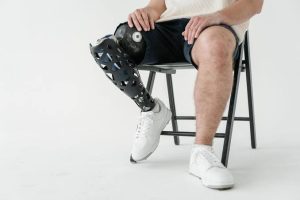
How to Choose the Best Below-Knee Prosthesis for Your Lifestyle
Main Components of a Below-Knee Prosthesis
A typical prosthetic system includes several components that work together to provide support and mobility.
- Prosthetic socket: The custom-fitted section that connects the residual limb to the artificial leg.
- Prosthetic liner: A cushioning interface that helps protect the skin and improve comfort.
- Suspension system: Helps keep the prosthesis securely attached during movement.
- Prosthetic foot: Supports standing, balance, and movement while walking.
- Connecting components: Join the socket and foot while providing the necessary strength and alignment.
Each component can influence the overall comfort, stability, and performance of the prosthesis. Selecting appropriate components is therefore essential when choosing a solution that suits your lifestyle.
1. Consider Your Daily Activity Level
Your everyday routine is one of the most important factors when selecting a below-knee prosthesis. Different designs offer different levels of flexibility, durability, and functional performance.
Prostheses for Everyday Walking
If your main goals include walking around your home, shopping, visiting friends, and completing household tasks, you may benefit from a prosthesis designed for dependable everyday mobility.
Comfort, stability, and ease of use should be key priorities. A suitable prosthetic foot and well-fitting socket can help support routine activities without requiring features you may rarely use.
Prostheses for Active Lifestyles
If you regularly walk long distances, hike, exercise, or participate in recreational activities, you may need components that accommodate greater movement and changing terrain.
Some advanced prosthetic feet are designed to provide additional flexibility or energy return. A prosthetist can help determine which features are appropriate for your activity level, physical abilities, and goals.
2. Choose the Right Prosthetic Foot
The prosthetic foot plays a major role in how your artificial leg feels and performs during walking. Different designs provide varying levels of support, flexibility, and responsiveness.
Conventional Prosthetic Feet
Basic prosthetic feet may be suitable for people who require reliable support for lower activity levels. Their design, durability, and maintenance requirements vary, so suitability should be assessed individually.
Dynamic-Response and Carbon-Fibre Feet
Dynamic-response feet are designed to store and release energy during movement. Some incorporate carbon fibre to provide flexibility and energy return.
These designs may benefit suitable users who walk more frequently or need greater responsiveness. However, performance depends on the specific model, correct alignment, and the individual’s walking pattern.
Specialised Feet for Sports and Recreation
People who participate in running or particular sports may benefit from specialised prosthetic components. These devices are designed for specific movement requirements and may not be appropriate for general everyday use.
Discuss your preferred activities with your prosthetist before selecting a specialised foot.
3. Prioritise Socket Fit and Comfort
The socket is one of the most important parts of a below-knee prosthesis because it connects your residual limb to the artificial leg.
Why Custom Fitting Matters
A well-fitting socket helps distribute pressure appropriately, supports suspension, and improves control of the prosthesis. A poor fit can contribute to discomfort, skin irritation, pressure areas, and difficulty walking.
Your prosthetist will consider the shape of your residual limb, skin condition, sensitivity, and functional needs when designing the socket.
Consider Changes in Residual Limb Volume
Residual limb volume can change throughout the day and over time. These changes may affect how the socket fits and feels.
Ask your prosthetist how to recognise fit problems and when adjustments may be necessary. Regular reviews can help maintain comfort and support safe prosthetic use.
4. Evaluate Materials, Weight, and Durability
The materials used in a prosthesis can influence its weight, strength, durability, and cost.
Lightweight Prosthetic Materials
Materials such as carbon fibre, aluminium, titanium, and specialised polymers may be used in different prosthetic components.
Lightweight designs can be helpful for some users, particularly those who spend considerable time walking. However, the ideal material depends on the component, intended use, and individual requirements.
Durability and Maintenance
A prosthesis should withstand the demands of your daily routine. Consider how frequently you expect to use it, the environments in which you will walk, and whether replacement parts are readily available.
Ask about expected maintenance, warranty coverage, and servicing requirements before making a decision.
5. Think About Your Budget and Funding Options
Cost is an important consideration when choosing a below-knee prosthesis. Prices vary depending on component selection, customisation, fitting services, and ongoing care.
Understand the Total Cost
When comparing options, look beyond the initial purchase price. Consider assessment appointments, socket fabrication, liners, fitting adjustments, repairs, rehabilitation, and future replacement components.
Request an itemised quotation so you can understand which services and products are included.
Explore Funding and Financial Assistance
Depending on your circumstances and location, assistance may be available through public healthcare services, disability funding, private health insurance, veterans’ programs, or workplace and transport injury schemes.
In Australia, eligible individuals may be able to access support through state or territory health services, the National Disability Insurance Scheme, or relevant compensation programs. Eligibility and coverage vary, so confirm the requirements before committing to expenses.
6. Consider Your Long-Term Goals
Your prosthesis should support not only your current routine but also your future aspirations.
Returning to Work and Hobbies
Think about the movements required for your occupation, household responsibilities, and favourite hobbies. Someone who works outdoors may have different needs from someone whose work involves prolonged indoor walking or standing.
Discuss these requirements with your prosthetist to identify appropriate components and practical solutions.
Planning for Future Adjustments
Your mobility, physical condition, and residual limb may change over time. Children and teenagers may require more frequent modifications as they grow, while adults may need adjustments because of changes in limb volume or activity.
Choosing a prosthetic system with appropriate follow-up care can help address changing needs.
7. Work With a Qualified Prosthetist
Professional guidance is essential when selecting and fitting a below-knee prosthesis. A qualified prosthetist can assess your needs, explain available options, and recommend components suited to your circumstances.
Questions to Ask During Your Consultation
Before deciding, consider asking:
- Which prosthetic components are best suited to my daily activities?
- How will the socket be fitted and adjusted?
- What maintenance and replacement costs should I expect?
- Which funding options may be available to me?
- How often will I need follow-up appointments?
- Can the prosthesis accommodate my future mobility goals?
These questions can help you compare recommendations and understand the practical differences between available options.
Conclusion
Choosing the best below-knee prosthesis for your lifestyle involves balancing comfort, stability, activity requirements, durability, and cost. The right solution should support your everyday needs while helping you work towards your personal mobility goals.
Consider your activity level, select appropriate components, prioritise socket fit, and understand the long-term costs before making a decision. Most importantly, work with a qualified prosthetist who can provide personalised advice, fitting, and ongoing support.
With the right prosthetic system and rehabilitation plan, you can work towards greater independence, improved mobility, and increased confidence in everyday life.