KAFO vs. AFO: Which Orthosis Is Right for You?
Choosing the right lower-limb orthosis can make an important difference to stability, mobility, comfort and independence. Two commonly prescribed devices are Knee-Ankle-Foot Orthoses (KAFOs) and Ankle-Foot Orthoses (AFOs). Although both are designed to support the lower limb, they serve different purposes and provide different levels of control.
Understanding the differences between a KAFO and an AFO can help you have a more informed conversation with your orthotist or healthcare professional. The right choice depends on factors such as muscle strength, joint stability, walking pattern, medical condition and individual mobility goals.
What Is an AFO?
An Ankle-Foot Orthosis, or AFO, is a lower-limb orthotic device designed primarily to support the ankle and foot. It is commonly used when a person has difficulty controlling foot position, ankle movement or the lower leg during walking.
AFOs are available in different designs and materials. Some provide relatively rigid support, while others allow controlled movement at the ankle. The appropriate design depends on how much assistance and movement control the individual requires.
What Does an AFO Do?
An AFO can help maintain the foot and ankle in a more functional position during standing and walking. Depending on its design, it may help manage conditions such as foot drop, ankle instability or certain gait abnormalities.
By supporting the ankle and foot, an AFO may also help improve foot clearance during the swing phase of walking and provide greater stability when the foot contacts the ground.
What Is a KAFO?
A Knee-Ankle-Foot Orthosis, or KAFO, provides support to the knee, ankle and foot. Because it extends above the knee, it offers a greater level of lower-limb support than an AFO.
KAFOs may be recommended when weakness or instability affects the knee as well as the ankle and foot. They can help control unwanted movement and provide stability during standing and walking.
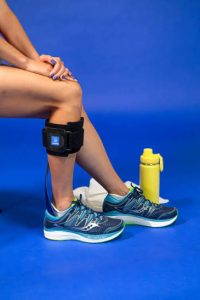
KAFO vs. AFO: Which Orthosis Is Right for You?
What Does a KAFO Do?
A KAFO can provide external support to the knee while also controlling ankle and foot position. Depending on its design, it may help prevent the knee from buckling or provide stability when the muscles around the knee cannot adequately support the leg.
Some KAFOs use locked knee joints, while others use more advanced stance-control mechanisms that aim to provide knee stability during weight-bearing while allowing movement during appropriate parts of the walking cycle.
KAFO vs. AFO: The Main Difference
The simplest way to understand the difference is to consider how much of the leg each device supports.
An AFO supports the ankle and foot, making it appropriate when the primary concern is below the knee. A KAFO supports the knee in addition to the ankle and foot, making it more suitable when knee stability or control is also affected.
The choice is not simply about selecting the device that provides the most support. An orthosis should provide the level of control required while allowing as much natural and functional movement as possible.
AFO at a Glance
An AFO may be appropriate when:
The main problem involves the ankle or foot.
Foot drop affects walking.
The ankle requires additional stability.
Foot positioning needs to be controlled.
Knee strength and stability are adequate.
KAFO at a Glance
A KAFO may be considered when:
The knee is unstable or significantly weak.
The person experiences knee buckling.
Lower-limb weakness affects multiple joints.
An AFO does not provide enough stability.
Additional support is required for standing or walking.
KAFO vs. AFO for Different Conditions
The most appropriate orthosis varies according to the underlying condition and how it affects movement. Two people with the same diagnosis may require completely different orthotic solutions.
Neurological Conditions
Neurological conditions can affect muscle strength, coordination and voluntary movement. An AFO may be sufficient when the main issue is foot or ankle control. However, if weakness extends to the muscles responsible for knee stability, a KAFO may be considered.
Drop Foot
Drop foot occurs when a person has difficulty lifting the front of the foot during walking. An AFO is commonly used to help position the foot and improve clearance during the swing phase.
A KAFO may be considered when drop foot occurs alongside significant knee instability or weakness requiring additional support.
Muscle Weakness
The location and severity of muscle weakness are important when selecting an orthosis. If weakness is primarily below the knee, an AFO may provide appropriate support. When significant weakness affects the knee as well, a KAFO may be more suitable.
Comfort and Mobility Considerations
Both AFOs and KAFOs should be designed with the user’s comfort and functional needs in mind. An orthosis that provides too little support may not adequately address the person’s mobility challenges, while unnecessary support can restrict movement or make the device more difficult to use.
Weight and Size
Generally, a KAFO is more extensive than an AFO because it supports a larger portion of the leg. This can affect the weight, appearance and ease of putting on and removing the device.
Modern materials and customised designs can help reduce unnecessary bulk while maintaining the required level of support.
Footwear
Appropriate footwear is an important consideration with either type of orthosis. Shoes need to accommodate the device and provide a stable base for walking.
Your orthotist can advise on footwear requirements and whether modifications may be helpful.
Which Orthosis Provides More Support?
A KAFO generally provides more extensive mechanical control because it supports the knee as well as the ankle and foot. However, more support does not automatically mean better support.
If a person’s knee is stable and the main problem is foot or ankle control, an AFO may be preferable. Using a KAFO when it is not necessary could introduce additional weight, complexity and restrictions.
The goal should always be to find the simplest orthotic solution that provides adequate support for the individual’s needs.
How Is the Right Orthosis Selected?
Selecting an AFO or KAFO should involve a professional assessment. An orthotist considers several factors before recommending a device.
Muscle Strength and Joint Stability
Muscle strength around the hip, knee and ankle can influence the level of support required. Joint stability is also assessed to determine whether the knee needs external control.
Walking Pattern
A person’s gait provides valuable information about how the lower limb functions during different stages of walking. The orthotist may assess how the foot contacts the ground, how the knee behaves during weight-bearing and whether the leg can clear the ground during swing.
Daily Activities
An orthosis should suit the user’s lifestyle. Someone who primarily walks indoors may have different requirements from someone who regularly walks outdoors, works on their feet or participates in community activities.
Comfort, ease of use, footwear and the ability to put on and remove the device can all influence the final choice.
Can You Change From an AFO to a KAFO?
In some circumstances, a person’s orthotic requirements can change over time. Changes in muscle strength, joint stability, mobility or medical condition may mean that a different level of support is needed.
For example, someone who initially uses an AFO may later require additional knee support if their knee stability changes. Conversely, improvements in strength or motor control may allow a person to use a less extensive orthosis.
Regular reassessment can help ensure the orthosis continues to meet the user’s current needs.
KAFO vs. AFO: Which One Is Right for You?
There is no single orthosis that is right for everyone. An AFO is generally designed to address problems involving the ankle and foot, while a KAFO provides additional support for the knee.
If your primary concern is foot drop, ankle instability or foot positioning, an AFO may be appropriate. If you also experience significant knee weakness or instability, a KAFO may provide the additional control required.
The best choice should be based on an individual assessment rather than the diagnosis alone. An orthotist can evaluate your strength, joint movement, gait, alignment, daily activities and goals before recommending an appropriate device.
Final Thoughts
Understanding the difference between a KAFO and an AFO can help you make sense of your orthotic options. While both devices are designed to support lower-limb function, they provide different levels of coverage and control.
An AFO focuses on the ankle and foot, whereas a KAFO extends to the knee to provide additional stability. The right option is the one that addresses your specific movement and stability needs without providing unnecessary restriction.
If you are unsure whether an AFO or KAFO is appropriate, speak with a qualified orthotist. A personalised assessment can help determine which design, materials and level of support are most suitable for your mobility goals.