How Does a Spinal Brace Support Your Spine?
A spinal brace is an orthotic device designed to provide external support to the spine. Depending on its design and purpose, a spinal brace can help stabilise the spine, limit certain movements, encourage a particular position or provide support while the body heals.
Spinal braces are used for a range of conditions and circumstances. They may be recommended following certain spinal injuries, after some types of surgery or as part of treatment for conditions such as scoliosis. Because different spinal problems require different approaches, spinal braces are available in a variety of designs, from flexible supports to rigid, custom-fitted devices.
Understanding how a spinal brace supports the spine can help explain why one may be recommended and what you can expect from wearing one.
What Is a Spinal Brace?
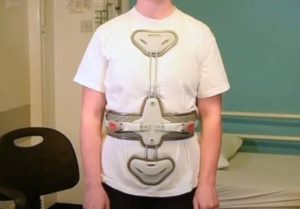
A spinal brace is a medical support device worn around the torso to provide additional stability to part of the spine. It is designed to work externally, using carefully positioned materials, straps, padding or pressure points to achieve a particular therapeutic purpose.
How Does a Spinal Brace Support Your Spine?
The exact design depends on the area of the spine requiring support and the reason for treatment. Some braces are designed primarily to restrict movement, while others are intended to influence spinal alignment or provide general stability.
Different Types of Spinal Braces
Spinal braces can vary significantly in their construction. Flexible braces may use fabrics and elastic materials to provide support while allowing a greater range of movement. Rigid braces typically use firm materials and are designed to provide greater control over spinal movement.
Some spinal braces are custom-made to match an individual’s body shape and treatment requirements. Others are available in standard sizes and can be adjusted to provide an appropriate fit.
The most suitable type depends on the individual’s condition and should be determined with guidance from an appropriately qualified healthcare professional.
How Does a Spinal Brace Support the Spine?
A spinal brace can support the spine in several ways. Its primary function may be to provide stability, restrict unwanted movement or influence the forces acting on the spine.
The brace creates an external structure around the torso, which can provide additional support to the muscles and skeletal structures underneath. Depending on the design, it can also help control how the spine moves during everyday activities.
Providing External Stability
One of the key roles of a spinal brace is providing external stability. The brace surrounds part of the torso and helps support the spine from the outside.
This can be particularly useful when the spine needs additional protection following certain injuries or during recovery. By providing a stable structure around the affected area, the brace may help reduce excessive or unwanted movement.
Limiting Certain Movements
Some spinal braces are designed to restrict specific movements, such as bending, twisting or excessive extension of the spine.
This can be useful when movement needs to be controlled during recovery from particular spinal injuries or procedures. Rather than necessarily preventing all movement, the brace can be designed to reduce movement in specific directions while allowing appropriate mobility.
Influencing Spinal Alignment
Certain braces are designed to influence the position and alignment of the spine. This is particularly relevant when spinal bracing is used to manage scoliosis in growing children and teenagers.
A scoliosis brace may use strategically positioned pressure points to influence the forces acting on the spinal curve. The aim is generally to help control progression of the curve during growth rather than simply holding the spine completely straight.
How Does a Spinal Brace Reduce Strain?
Depending on its design, a spinal brace may help reduce strain by supporting the torso and controlling certain movements.
When the spine moves, surrounding muscles and other structures work to provide stability. A brace can provide an additional external structure that helps control movement and distribute forces across the body.
This does not mean that a spinal brace takes over the job of the muscles. Instead, it provides support that may help protect a particular area when additional stability is required.
Supporting the Spine During Recovery
Following certain spinal injuries, excessive movement can place additional stress on the affected area. A brace may help control this movement while the body recovers.
The length of time a brace is required depends on the injury and the individual’s treatment plan. Medical advice should always be followed regarding when and how the brace should be worn.
How Does a Spinal Brace Help With Scoliosis?
Scoliosis is a condition involving an abnormal sideways curvature of the spine. For some children and adolescents who are still growing, spinal bracing may be recommended to help manage the condition.
Applying Targeted Pressure
A scoliosis brace is typically designed to apply pressure to specific areas of the torso while allowing space in other areas. This creates controlled forces around the spinal curve.
The brace is not simply designed to push the spine into a straight position. Instead, its design aims to influence how the spine develops as the child continues to grow.
Managing Curve Progression
The primary purpose of bracing for suitable patients with scoliosis is generally to help prevent or reduce progression of the spinal curve during growth.
Whether a brace is appropriate depends on several factors, including the size and type of the curve, the child’s age, growth remaining and the likelihood of progression.
Why Is Proper Spinal Brace Fit Important?
A spinal brace needs to fit correctly to provide the intended support. The fit can affect both the brace’s function and the person’s comfort.
A brace that is too loose may move out of position and fail to provide the required support. A brace that is too tight may create unnecessary pressure or cause skin irritation.
Custom-Fitted Braces
Some spinal braces are custom-made or individually fitted by an orthotist. The brace can be shaped around the individual’s body and designed according to the specific areas requiring support or pressure.
Custom fitting can be particularly important when a brace needs to provide precise control of spinal alignment or movement.
Adjustments as Your Body Changes
A spinal brace may need to be adjusted over time. This is particularly important for children and teenagers, whose bodies can change significantly during periods of growth.
Regular appointments allow the fit and function of the brace to be checked. Adjustments or a replacement brace may be required as the individual grows or their treatment needs change.
Can a Spinal Brace Improve Posture?
Some spinal braces can help support a particular posture or spinal position. However, the purpose of a medical spinal brace is not necessarily to permanently correct posture.
A brace may provide external support that encourages the body to maintain a particular position while it is being worn. Whether this is appropriate depends on the individual’s condition and the purpose of the brace.
It is important to distinguish medical spinal bracing from general posture-correcting products, as they may have very different designs and intended uses.
How Long Do You Need to Wear a Spinal Brace?
The recommended wearing time varies depending on the type of brace and the reason it has been prescribed.
Someone recovering from a spinal injury may only need a brace for a limited period. In contrast, a teenager using a brace to manage scoliosis may be advised to wear it for a specific number of hours each day over a longer period.
Following the recommended wearing schedule is important. If the brace causes significant discomfort or appears to fit incorrectly, speak with the professional who fitted it rather than changing the schedule independently.
What Should a Spinal Brace Feel Like?
It can take some time for the body to adjust to wearing a spinal brace. The brace may initially feel unusual, particularly because it changes how the torso feels and moves.
A correctly fitted brace should provide its intended level of support without causing significant pain. Some pressure may be expected depending on the brace’s design, but persistent discomfort, numbness or skin problems should be discussed with a healthcare professional.
Frequently Asked Questions About Spinal Brace Support
Does a spinal brace hold your spine in place?
Some spinal braces are designed to restrict movement and provide stability, while others are designed to influence alignment. How much movement is restricted depends on the type of brace and its purpose.
Can a spinal brace make your spine stronger?
A brace does not directly strengthen the spine. Instead, it provides external support and may help protect or stabilise the spine while an underlying condition is being treated.
Can you move normally while wearing a spinal brace?
This depends on the brace. Flexible designs may allow considerable movement, while rigid braces may intentionally restrict certain movements. Your healthcare professional can explain what activities are appropriate for your particular brace.
Is a spinal brace suitable for everyone?
No. Spinal braces are designed for specific clinical purposes and are not suitable for every spinal condition or type of back pain. Professional assessment can determine whether bracing is appropriate.
Understanding the Benefits of Spinal Support
A spinal brace can provide valuable external support when the spine requires additional stability or controlled movement. Depending on its design, it may help restrict unwanted movements, support recovery after certain injuries or procedures, or influence spinal alignment in conditions such as scoliosis.
The effectiveness and suitability of a spinal brace depend on selecting the right design and ensuring it is fitted correctly. Because spinal conditions vary from person to person, professional assessment is important before using a medical spinal brace.
When appropriately prescribed and fitted, a spinal brace can form an important part of a broader treatment plan, helping provide the support and stability needed for an individual’s specific spinal health needs.