From Fracture to Recovery: A Guide for Prosthetic Limb Users
Recovering from a leg fracture can be a significant process for anyone, but prosthetic limb users may face additional considerations during rehabilitation. A fracture can temporarily affect mobility, strength, balance and confidence, while swelling and changes to the residual limb may also influence prosthetic fit.
The journey from fracture to recovery is usually gradual. Depending on the location and severity of the injury, rehabilitation may involve medical treatment, physiotherapy, mobility aids, prosthetic adjustments and a carefully planned return to everyday activities. Understanding what to expect can help prosthetic limb users approach recovery with greater confidence.
Understanding Fractures in Prosthetic Limb Users
A fracture occurs when a bone is partially or completely broken. Treatment depends on factors such as the location and severity of the fracture, whether the bone has moved out of position and the person’s overall circumstances.
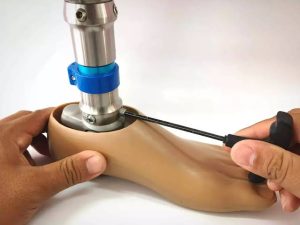
From Fracture to Recovery: A Guide for Prosthetic Limb UsersFrom Fracture to Recovery: A Guide for Prosthetic Limb Users
For a prosthetic limb user, the fracture may affect the limb that interacts with the prosthesis or another part of the lower body. Either situation can influence normal movement and mobility.
How a Fracture Can Affect Mobility
Following a fracture, weight-bearing may need to be restricted while the bone heals. This can mean temporarily reducing or stopping prosthetic use, depending on medical advice.
Reduced activity can result in muscle weakness, stiffness and reduced endurance. These changes may make returning to previous mobility levels more challenging, even after the fracture itself has healed sufficiently.
The Importance of Individualised Care
No two fractures or prosthetic users have exactly the same recovery needs. The rehabilitation process can depend on the type of prosthesis, fracture location, treatment received and pre-injury mobility.
A personalised approach allows healthcare professionals to establish appropriate goals and adjust rehabilitation as recovery progresses.
The Initial Stages of Fracture Recovery
The early stage of recovery generally focuses on protecting the injured area and following the treatment plan provided by the medical team. This may involve immobilisation, surgery or restrictions on weight-bearing.
During this stage, maintaining safe movement in other parts of the body may help minimise the effects of inactivity.
Following Weight-Bearing Restrictions
Weight-bearing instructions are particularly important after a fracture. Even if an individual feels capable of placing weight through the affected area, the bone may not yet be ready for increased loading.
Prosthetic users should follow the advice of their treating healthcare professionals regarding when and how prosthetic use can resume.
Managing Mobility During Early Recovery
Crutches, wheelchairs, walking frames or other mobility aids may be used while the fracture heals. The appropriate equipment depends on the individual’s needs and level of mobility.
Using an aid temporarily can provide additional stability and reduce unnecessary strain during the early stages of recovery.
The Role of Physiotherapy
Physiotherapy can be an important part of returning to mobility following a fracture. Once appropriate movement is permitted, a physiotherapist can develop exercises to address strength, flexibility, balance and functional movement.
Rebuilding Muscle Strength
Periods of reduced activity can cause muscles to become weaker. This can affect the hips, core and other muscles involved in standing and walking.
Strengthening exercises can be introduced gradually and progressed as the individual becomes stronger and receives clearance for increased activity.
Improving Balance and Coordination
Balance can be affected by changes in strength, movement and weight distribution. This may be particularly noticeable when returning to prosthetic use.
Balance exercises can help improve stability and confidence. They should be selected according to the person’s stage of recovery and any weight-bearing restrictions.
Returning to Prosthetic Use
The transition back to a prosthesis may need to happen gradually. Even if the prosthesis fitted comfortably before the fracture, changes during recovery can affect its comfort and function.
Changes to the Residual Limb
Swelling and changes in limb volume can occur after an injury or surgery. These changes may alter the fit of a prosthetic socket.
A socket that previously fitted well may feel tighter, looser or uncomfortable during recovery. Regular assessment can help determine whether adjustments are needed.
Prosthetic Adjustments
A prosthetist can assess the fit, alignment and function of the prosthesis as the individual returns to mobility.
Adjustments may be appropriate if changes in limb shape, strength or walking pattern affect comfort or control. Professional assessment is preferable to attempting to compensate for changes independently.
Gait Training After a Fracture
Walking may feel different after a period of reduced mobility. Gait training can help prosthetic users gradually restore controlled and efficient movement.
Identifying Changes in Walking Patterns
People may develop compensatory movements while protecting an injured leg. These can include shifting weight to the other side, shortening the stride or changing posture.
A physiotherapist can assess these changes and provide exercises designed to improve walking mechanics.
Progressing Walking Activities
Gait training may begin with short, controlled walking sessions before progressing to longer distances. As balance and endurance improve, rehabilitation can incorporate different surfaces, directions and speeds.
Progress should be guided by the individual’s recovery rather than a predetermined timeline.
Rebuilding Confidence After a Fracture
A fracture can affect confidence as well as physical ability. Someone who previously walked independently with a prosthesis may feel hesitant about putting weight through the affected area again.
Setting Realistic Recovery Goals
Small, achievable goals can make the rehabilitation process more manageable. Early goals might include standing safely, completing transfers or walking a short distance.
As confidence and physical ability improve, goals can become progressively more challenging.
Learning to Trust the Prosthesis Again
Returning to prosthetic use after an injury can require time and practice. Structured rehabilitation can help individuals become comfortable with their prosthesis while developing strength and balance.
Professional guidance can provide reassurance and help identify whether difficulties are related to the injury, gait or prosthetic fit.
Returning to Everyday Activities
The final stages of recovery often focus on returning to meaningful daily activities. These may include household tasks, work, shopping, exercise and social activities.
Building Endurance
Even after basic walking has returned, prolonged standing or walking may initially cause fatigue. Gradually increasing activity can help improve endurance.
Taking appropriate rest breaks can be important while the body adapts to increasing physical demands.
Preparing for Different Environments
Everyday environments can involve stairs, uneven surfaces, slopes, narrow spaces and changes in direction. Rehabilitation can eventually incorporate these challenges when appropriate.
Practising different movements under professional supervision can help prepare prosthetic users for a wider range of daily situations.
Monitoring Prosthetic Comfort
Prosthetic comfort should continue to be monitored throughout recovery. Persistent rubbing, pressure, pain or skin irritation may indicate that the prosthesis requires assessment.
Changes in gait, difficulty controlling the prosthesis or a feeling that the socket is no longer secure should also be discussed with a prosthetist or appropriate healthcare professional.
When to Seek Professional Advice
Any new or worsening pain, significant swelling, changes in skin condition or sudden deterioration in mobility should be discussed with an appropriate healthcare professional.
Prosthetic users should also seek advice if they are struggling to resume prosthetic use or if the device feels substantially different following the fracture.
Supporting a Successful Recovery
A successful recovery involves more than waiting for the fracture to heal. Prosthetic users may need to rebuild strength, balance, endurance and confidence while adapting to changes in prosthetic fit and function.
Work With a Multidisciplinary Team
Doctors, physiotherapists and prosthetists can each contribute to different aspects of recovery. Communication between professionals can help ensure that medical treatment, rehabilitation and prosthetic care work towards compatible goals.
Be Patient With Progress
Recovery times vary considerably. Progress may sometimes feel slow, particularly after a prolonged period of reduced mobility.
Following professional guidance, attending recommended appointments and gradually increasing activity can help support a safe and sustainable return to mobility.
Conclusion
From the initial treatment of a fracture through to rehabilitation and a return to everyday activities, recovery can involve several important stages for prosthetic limb users. Changes in strength, balance, limb volume and walking patterns may all need to be addressed.
With appropriate medical care, physiotherapy, prosthetic assessment and gradual rehabilitation, individuals can work towards restoring mobility and independence. The most effective recovery plan is one tailored to the person’s fracture, prosthesis, lifestyle and individual rehabilitation goals.