Regaining Balance and Mobility After a Leg Fracture
Recovering from a leg fracture involves more than allowing the bone to heal. Many people also need to rebuild strength, flexibility, balance and confidence before they can return to their normal activities. Following a period of reduced movement, muscles can become weaker, joints may feel stiff and everyday activities can become more difficult.
Regaining balance and mobility is an important part of rehabilitation. A structured recovery program can help individuals gradually return to walking, standing, climbing stairs and participating in activities they enjoy. Depending on the type and severity of the fracture, rehabilitation may involve physiotherapy, strengthening exercises, gait training and other forms of professional support.
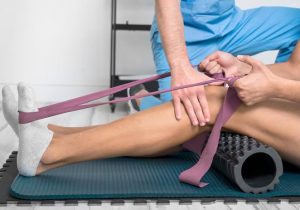
Regaining Balance and Mobility After a Leg Fracture
Why Balance and Mobility Can Be Affected After a Fracture
A leg fracture can significantly change the way a person moves. During the early stages of recovery, weight may need to be limited or avoided altogether. This can result in reduced muscle activity and changes in normal movement patterns.
Even after weight-bearing is permitted, the affected leg may feel weaker than before the injury. Pain, stiffness and apprehension about putting weight through the leg can also affect balance.
The Impact of Reduced Activity
Periods of inactivity can lead to muscle weakness and reduced endurance. The longer someone has limited mobility, the more challenging it may feel to resume everyday movement.
Reduced activity can also affect coordination. Movements that were previously automatic, such as standing from a chair or walking across a room, may initially require greater concentration.
Changes to Walking Patterns
People recovering from fractures may develop compensatory walking patterns. They may place more weight on the unaffected leg, shorten their stride or avoid certain movements.
While these changes can be useful temporarily, continuing to rely on them after healing may place additional strain on other parts of the body.
The Importance of Rehabilitation
Rehabilitation provides a structured way to restore movement and physical function. A healthcare professional can assess an individual’s recovery and recommend appropriate exercises based on the fracture and stage of healing.
The goal is to progressively improve strength, balance and mobility without placing excessive stress on the recovering area.
Creating a Personalised Recovery Plan
Every fracture is different. The rehabilitation approach can depend on factors such as the location of the fracture, treatment method, age, existing mobility and general health.
A personalised plan can ensure exercises are appropriate and can be progressed as strength and confidence improve.
Strengthening the Legs
Strong muscles are essential for standing, walking and maintaining balance. A period of limited weight-bearing can cause the muscles around the affected leg to become weaker.
Strengthening exercises can help rebuild the capacity needed for everyday activities.
Starting With Simple Exercises
Early strengthening may involve gentle movements that can be performed safely within the individual’s medical restrictions. Exercises may target the hips, thighs and surrounding muscles.
As recovery progresses, exercises can gradually become more challenging. The aim is to build strength without progressing faster than the healing process allows.
Strengthening Both Sides of the Body
Although the fractured leg may be the primary focus, rehabilitation can also address the rest of the body. The unaffected leg may have taken on additional responsibilities during recovery, while the upper body may have been used more when relying on crutches or walking aids.
Maintaining overall strength can support a balanced return to mobility.
Improving Balance After a Leg Fracture
Balance depends on strength, coordination, joint movement and the body’s ability to respond to changes in position. These abilities can be affected after an injury.
Balance training can help individuals become more stable and confident as they return to walking.
Beginning With Supported Balance Exercises
Early balance exercises may be performed while holding a stable surface for support. The level of difficulty can then be gradually increased as stability improves.
Exercises should be appropriate for the individual’s stage of recovery, particularly if there are still restrictions on weight-bearing.
Progressing to Dynamic Balance
Once basic balance improves, rehabilitation may include movements that more closely reflect everyday activities. These can include stepping in different directions, changing direction while walking or navigating small obstacles.
Dynamic balance is important because everyday environments are rarely completely flat or predictable.
Gait Training and Walking Recovery
Walking confidently after a fracture may take time. Gait training can help individuals relearn efficient movement and address habits that developed while protecting the injured leg.
Restoring a Natural Walking Pattern
A physiotherapist can observe how a person walks and identify differences in stride length, posture, speed and weight distribution.
Exercises and practical guidance can then be used to gradually improve walking mechanics. The focus should be on controlled, comfortable movement rather than speed.
Using Mobility Aids During Recovery
Crutches, walking frames, canes or other mobility aids may be recommended during different stages of recovery.
Using a mobility aid does not necessarily mean recovery is progressing poorly. These tools can provide additional support while strength and balance are being restored.
Managing Stiffness and Flexibility
Stiffness can develop after a fracture, particularly if the leg has been immobilised or movement has been restricted.
Restoring appropriate flexibility can make everyday movements more comfortable and support normal walking mechanics.
Gradual Range-of-Motion Exercises
Depending on the fracture and treatment, healthcare professionals may recommend exercises designed to improve joint movement.
These should be performed according to professional advice. Stretching or movement that is too aggressive may be inappropriate during certain stages of recovery.
Building Confidence With Movement
Physical recovery is only one part of returning to mobility. Many people experience anxiety about falling or reinjuring themselves after a fracture.
Setting Achievable Goals
Breaking recovery into smaller goals can make progress easier to manage. Initial goals may include standing independently, walking short distances or completing everyday tasks safely.
As these goals are achieved, activities can gradually become more demanding.
Practising Real-World Movements
Rehabilitation can eventually incorporate movements that reflect everyday life, such as stepping up and down, changing direction, getting in and out of a chair or walking across different surfaces.
Practising these movements progressively can help improve confidence in real-world environments.
Returning to Everyday Activities
The ability to walk comfortably is often only the beginning of a full return to normal activities. Individuals may also need to rebuild endurance for work, household tasks, shopping and recreational activities.
Increasing Activity Gradually
Increasing activity too quickly can lead to excessive fatigue or discomfort. A gradual approach allows the body to adapt to increasing demands.
Rest and recovery remain important even as mobility improves.
When to Seek Professional Support
Professional rehabilitation can be particularly valuable if mobility remains limited or walking feels significantly different after a fracture.
New or worsening pain, increased swelling, skin changes, significant weakness or a sudden decline in mobility should be discussed with an appropriate healthcare professional.
Conclusion
Regaining balance and mobility after a leg fracture is a gradual process that can require patience and consistent rehabilitation. Strength, flexibility, coordination and confidence may all need to be rebuilt before a person feels fully comfortable with everyday movement.
Physiotherapy, strengthening exercises, balance training and gait retraining can provide valuable support throughout recovery. By following professional guidance and gradually increasing activity, individuals can work towards restoring mobility, improving confidence and returning to the activities that are important to them.