The Science Behind Custom Foot Orthotics
Your feet are complex structures made up of bones, joints, muscles, tendons, and ligaments that work together to support your body and allow movement. Every step you take involves a carefully coordinated process of absorbing impact, maintaining balance, and transferring energy through the body.
When the feet are not functioning efficiently, problems can develop throughout the lower body. Poor foot mechanics can contribute to discomfort in the feet, ankles, knees, hips, and lower back. Custom foot orthotics are designed to address these issues by using science-based principles of biomechanics, pressure distribution, and movement analysis to improve how your feet function.
Understanding the science behind custom foot orthotics helps explain why they are an effective solution for many people experiencing pain, instability, or recurring injuries.
What Are Custom Foot Orthotics?
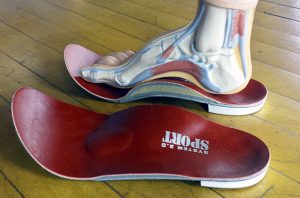
Custom foot orthotics are individually designed shoe inserts created to support, align, and improve the function of your feet. Unlike standard insoles that are manufactured for general comfort, custom orthotics are made specifically for your unique foot structure and movement patterns.
A healthcare professional assesses your feet, walking style, posture, and biomechanics before designing orthotics that address your specific needs.
The goal of custom orthotics is not to completely change the way your feet work but to help them function more efficiently. They provide support where it is needed while reducing excessive stress on certain areas of the foot and body.
The Biomechanics Behind Foot Movement
Biomechanics is the study of how forces affect movement within the human body. When you walk or run, your feet interact with the ground and create a chain reaction throughout your legs and upper body.
A healthy walking pattern involves several stages:
The heel makes contact with the ground.
The foot absorbs impact.
The body transfers weight forward.
The toes provide push-off for the next step.
When this process becomes inefficient, certain areas may experience excessive stress.
The Role of Foot Alignment
Foot alignment plays an important role in maintaining efficient movement.
The Science Behind Custom Foot Orthotics
For example, excessive inward rolling of the foot, known as overpronation, can alter the alignment of the ankles, knees, and hips. Similarly, insufficient inward movement, known as underpronation, may reduce the foot’s ability to absorb shock.
Custom orthotics help improve alignment by guiding the foot into a more balanced position during movement.
The Importance of Pressure Distribution
Every foot experiences pressure during standing and walking. However, uneven pressure distribution can create areas of excessive stress.
Custom orthotics are designed to redistribute pressure more evenly across the foot. This can reduce strain on sensitive areas and improve overall comfort.
How Custom Orthotics Are Designed
Creating custom orthotics involves detailed assessment and advanced technology to ensure the final product matches the needs of the individual.
Foot Assessment and Evaluation
The process begins with a comprehensive assessment of your feet and lower body.
A practitioner may evaluate:
Foot structure.
Arch height.
Joint movement.
Muscle strength.
Walking pattern.
Standing posture.
Areas of pain or discomfort.
This information helps identify the underlying causes of movement problems.
Gait Analysis
Gait analysis examines how you walk or run.
During this process, a practitioner observes your foot movement, weight transfer, and overall body mechanics.
Modern gait assessments may use digital technology to measure pressure patterns and movement characteristics, providing detailed information about how your feet interact with the ground.
Digital Foot Scanning
Many modern orthotic providers use 3D scanning technology to capture the exact shape and dimensions of a person’s feet.
This allows custom orthotics to be manufactured with precise measurements, improving comfort and effectiveness.
How Custom Orthotics Affect the Body
The benefits of custom orthotics extend beyond the feet because the body functions as a connected system.
Changes in foot mechanics can influence the movement and loading patterns of the entire lower limb.
Reducing Stress on the Feet
Custom orthotics support areas that require additional stability while reducing excessive pressure.
This can be particularly beneficial for conditions such as plantar fasciitis, arch pain, and heel discomfort.
Improving Lower Limb Alignment
The position of the feet influences how the ankles, knees, and hips move.
By improving foot alignment, custom orthotics may help reduce abnormal forces travelling through the lower body.
Enhancing Movement Efficiency
Efficient movement requires muscles and joints to work together effectively.
Custom orthotics can help improve stability and allow the body to move with less unnecessary strain, making everyday activities more comfortable.
The Role of Materials in Custom Orthotics
The materials used in custom orthotics are carefully selected based on the individual’s needs, activity level, and condition.
Different materials provide different levels of support, flexibility, and cushioning.
Rigid Materials
Firm materials are often used when stronger structural support is required.
They can help control excessive movement and improve stability for people with certain biomechanical issues.
Flexible Materials
Softer materials provide additional cushioning and shock absorption.
They are often used for people who require extra comfort or pressure relief.
Combination Designs
Many modern orthotics combine multiple materials to provide both support and comfort.
A carefully designed combination allows the orthotic to provide stability while still allowing natural movement.
Conditions That May Benefit from Custom Orthotics
Custom foot orthotics are commonly used to help manage a variety of conditions affecting the feet and lower limbs.
These may include:
Plantar fasciitis.
Flat feet.
High arches.
Heel pain.
Bunions.
Achilles tendon discomfort.
Arthritis-related foot pain.
Sports injuries.
Lower limb alignment problems.
Foot fatigue caused by prolonged standing.
The effectiveness of orthotics depends on the individual’s condition, biomechanics, and overall treatment plan.
Custom Orthotics and Injury Prevention
Many injuries occur when repeated stress exceeds the body’s ability to recover.
Poor foot mechanics can increase strain on muscles, tendons, and joints, particularly during high-impact activities such as running and jumping.
Supporting Active Lifestyles
Athletes often use custom orthotics to improve stability and reduce the risk of recurring injuries.
By improving foot control and shock absorption, orthotics can help the body handle physical demands more efficiently.
Reducing Repetitive Stress
Even everyday activities involve thousands of repeated movements.
Custom orthotics help reduce unnecessary stress by encouraging more balanced movement patterns throughout the day.
Are Custom Foot Orthotics Worth It?
Custom orthotics are an investment in long-term foot health and mobility.
Although they typically cost more than standard shoe inserts, their personalised design provides benefits that generic options cannot offer.
The value of custom orthotics comes from their ability to address individual problems rather than providing a one-size-fits-all solution.
For people with ongoing discomfort, structural concerns, or activity-related issues, custom orthotics can provide meaningful improvements in comfort and function.
How Long Do Custom Orthotics Last?
The lifespan of custom orthotics depends on factors such as materials, activity level, body weight, and frequency of use.
With proper care, many custom orthotics can last several years before requiring replacement or adjustment.
Regular reviews are recommended to ensure they continue providing appropriate support as your body, footwear, and lifestyle change.
The Future of Custom Orthotics
Advancements in technology continue to improve the design and effectiveness of custom foot orthotics.
Digital scanning, computer modelling, and advanced manufacturing techniques allow for greater precision and more personalised solutions.
As understanding of biomechanics continues to develop, custom orthotics are becoming increasingly tailored to individual movement patterns and lifestyle requirements.
Final Thoughts
The science behind custom foot orthotics combines biomechanics, technology, and personalised healthcare to improve how your feet function. By analysing your unique foot structure and movement patterns, custom orthotics provide targeted support designed to improve alignment, reduce pressure, and enhance comfort.
Whether you experience chronic foot pain, sports-related injuries, or discomfort during everyday activities, custom orthotics may help improve your quality of movement. With the right assessment and design, these specialised devices can support healthier movement patterns and protect your long-term foot health.