10 Technologies Transforming Prosthetic Legs Today
Introduction: The Changing Landscape of Prosthetic Leg Innovation
Prosthetic legs have evolved from simple mechanical devices into advanced mobility systems that combine engineering, medicine, robotics, and digital technology. For many years, prosthetic development focused primarily on restoring basic movement and providing support. Today, emerging technologies are creating prosthetic legs that are more comfortable, adaptive, and capable of responding to individual user needs.
Modern innovations are helping improve balance, walking efficiency, comfort, and independence. Technologies such as artificial intelligence, robotics, smart sensors, and advanced materials are changing how prosthetic legs are designed and how users interact with them.
While no technology can completely replicate the complexity of a natural human limb, current advancements are bringing prosthetic legs closer to providing natural, personalized movement. The following ten technologies are playing a major role in transforming prosthetic leg design today.
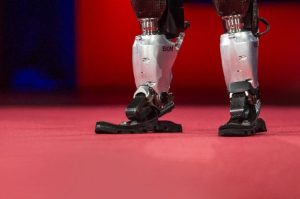
10 Technologies Transforming Prosthetic Legs Today
1. Artificial Intelligence and Machine Learning
Creating Smarter Prosthetic Systems
Artificial intelligence (AI) is one of the most important technologies shaping the future of prosthetic legs. AI-powered systems can analyze movement patterns, identify user behaviors, and make adjustments based on real-time information.
Machine learning allows prosthetic devices to improve over time by learning from repeated movements. As users walk, climb stairs, or navigate different environments, AI systems can recognize patterns and adjust performance to better match individual needs.
This technology supports a more personalized experience by allowing prosthetic legs to adapt to each person’s walking style, activity level, and lifestyle.
2. Advanced Sensor Technology
Improving Movement Detection and Response
Sensors provide prosthetic legs with the ability to understand movement and environmental changes. These small electronic components measure factors such as pressure, speed, balance, and joint position.
Advanced sensors allow prosthetic systems to respond quickly to changes in activity. For example, a prosthetic knee can detect when a user is walking downhill and automatically adjust resistance to provide greater stability.
By collecting accurate movement data, sensors help create prosthetic legs that feel more responsive and natural.
3. Robotic Prosthetic Components
Adding Power and Active Support
Robotic technology has introduced powered components that can assist users during movement. Unlike traditional passive prosthetics, robotic systems can actively provide support through motors and computerized controls.
Powered knees and ankles can help with activities that require additional energy, such as climbing stairs or standing from a seated position. These systems aim to reduce physical effort and improve movement efficiency.
As robotics continues to advance, future prosthetic legs may become even more capable of replicating natural muscle and joint functions.
4. Microprocessor-Controlled Knees
Enhancing Stability and Safety
Microprocessor-controlled knees are among the most significant advancements in prosthetic technology. These systems use computer processors to analyze movement and adjust knee function automatically.
Unlike mechanical knees with fixed settings, microprocessor-controlled designs can adapt to different walking speeds, surfaces, and activities. This helps users experience smoother movement and improved stability.
The technology is particularly valuable for users who need additional support while navigating changing environments.
5. Carbon Fiber and Advanced Materials
Creating Lightweight and Durable Prosthetics
Material science has played a major role in improving prosthetic leg performance. Carbon fiber is widely used because it is lightweight, strong, and flexible.
Carbon fiber prosthetic feet can store and release energy during walking, helping create a more efficient movement pattern. Other advanced materials, including titanium and specialized polymers, contribute to durability and comfort.
By reducing weight while maintaining strength, modern materials allow users to move more easily and comfortably.
6. 3D Printing Technology
Personalizing Prosthetic Design
Three-dimensional printing is changing how prosthetic components are created. This technology allows manufacturers and prosthetists to produce customized parts based on an individual’s unique body structure and requirements.
3D printing can make the development process faster and more flexible. Custom designs can improve comfort, fit, and functionality while reducing production limitations.
As 3D printing technology improves, it may help make personalized prosthetic solutions more accessible to more people.
7. Computer-Aided Design and Digital Scanning
Improving Fit and Comfort
Digital scanning and computer-aided design tools are improving the way prosthetic legs are measured and created. Traditional fitting methods often required manual adjustments, but digital technologies provide more precise measurements.
These systems allow specialists to create detailed models of a user’s anatomy, helping improve socket design and overall comfort.
A better fit can reduce discomfort, improve movement efficiency, and help users feel more connected to their prosthetic device.
8. Neural Interface Technology
Connecting Prosthetics With the Human Nervous System
Neural interface technology represents one of the most advanced areas of prosthetic research. This technology explores ways to connect artificial limbs with signals from the brain or nervous system.
The goal is to create more intuitive control, allowing users to operate prosthetic devices through natural intentions rather than physical adjustments alone.
Researchers are also exploring sensory feedback systems that could allow users to receive information about pressure, touch, or movement from their prosthetic limbs.
9. Adaptive Control Systems
Making Prosthetics More Responsive
Adaptive control systems allow prosthetic legs to adjust automatically based on changing conditions. These systems combine software, sensors, and mechanical components to improve performance.
For example, an adaptive prosthetic leg may recognize differences between walking on pavement, grass, or stairs and modify its behavior accordingly.
This technology helps create a more seamless experience by allowing the prosthetic device to respond to the user’s environment without requiring constant manual adjustments.
10. Mobile Applications and Digital Connectivity
Supporting Personal Management and Optimization
Digital connectivity is becoming increasingly important in modern prosthetic technology. Many advanced prosthetic systems can connect with mobile applications that allow users and healthcare professionals to monitor performance and adjust settings.
Mobile platforms can provide information about usage patterns, battery levels, and device performance. They may also support remote adjustments and personalized recommendations.
This connected approach improves communication between users, prosthetists, and technology developers.
The Future of Prosthetic Leg Technology
Toward More Intelligent and Human-Like Movement
The future of prosthetic legs will likely involve even greater integration between artificial intelligence, robotics, and human biology. Researchers are working toward systems that can learn continuously, provide sensory feedback, and respond more naturally to user intentions.
Future prosthetic legs may become more lightweight, powerful, and intuitive. Advances in materials, software, and medical science could create devices that provide greater independence and a stronger connection between users and their technology.
Conclusion: Technology Expanding Mobility Possibilities
The development of modern prosthetic legs demonstrates how technology can transform lives. From AI and robotics to advanced materials and neural interfaces, these innovations are creating mobility solutions that are more adaptive, personalized, and effective.
The ten technologies transforming prosthetic legs today represent important steps toward a future where prosthetic devices are not only replacements for missing limbs but intelligent systems designed to support human movement.
As research continues, prosthetic technology will continue expanding possibilities, helping more people experience greater freedom, confidence, and independence in everyday life.