10 Signs You Might Need Orthotics
Your feet provide the foundation for every step you take. Whether you’re walking to work, exercising, standing for long hours, or simply moving around the house, your feet absorb significant pressure every day. When they are not functioning correctly, that stress can travel through your ankles, knees, hips, and lower back, leading to pain and reduced mobility.
Many people ignore foot discomfort, assuming it is a normal part of ageing or an unavoidable consequence of an active lifestyle. However, persistent pain or changes in the way you walk often indicate an underlying biomechanical issue. Orthotics are specially designed shoe inserts that support your feet, improve alignment, and help distribute pressure more evenly. They can relieve pain, improve comfort, and prevent further complications.
10 Signs You Might Need Orthotics
If you’re unsure whether orthotics are right for you, here are ten common signs that may indicate it’s time to seek a professional assessment.
What Are Orthotics?
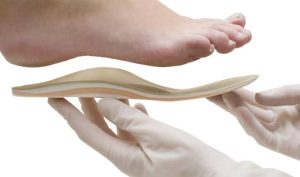
Orthotics are medical-grade shoe inserts designed to improve the way your feet function. Unlike standard insoles that focus mainly on cushioning, orthotics support the natural structure of the foot and help correct abnormal movement patterns.
Custom orthotics are made specifically for your feet after a detailed assessment by a podiatrist or other qualified healthcare professional. They are designed to improve alignment, reduce excessive pressure, and provide long-term support for a variety of foot and lower limb conditions.
While over-the-counter inserts may help with mild discomfort, custom orthotics are often recommended for ongoing pain or biomechanical problems.
1. You Experience Persistent Foot Pain
Occasional foot soreness after a long day is common, but pain that continues for days or weeks should not be ignored.
Persistent discomfort in the heel, arch, ball of the foot, or toes may indicate that your feet are not functioning efficiently. Poor biomechanics can place excessive stress on muscles, tendons, and ligaments, leading to inflammation and chronic pain.
When to Seek Help
If your foot pain interferes with daily activities, exercise, or work, it is worth having your feet professionally assessed. Orthotics may help reduce strain and improve comfort.
2. You Have Heel Pain
Heel pain is one of the most common reasons people seek treatment from a podiatrist.
Conditions such as plantar fasciitis occur when the thick band of tissue along the bottom of the foot becomes irritated. This often causes sharp pain with the first few steps in the morning or after long periods of sitting.
How Orthotics Help
Orthotics support the arch and reduce tension on the plantar fascia, allowing the tissue to heal while improving overall foot mechanics.
3. You Have Flat Feet or High Arches
Everyone’s feet are unique, but extremely flat feet or unusually high arches can lead to poor weight distribution.
Flat feet often cause excessive inward rolling of the foot, known as overpronation, while high arches may reduce shock absorption.
Why Support Matters
Orthotics provide structured support that helps improve alignment, distribute pressure more evenly, and reduce strain throughout the lower limbs.
4. Your Shoes Wear Out Unevenly
Take a look at the soles of your everyday shoes.
If one side wears down much faster than the other, it may indicate that your walking pattern is uneven.
Uneven shoe wear often reflects abnormal foot mechanics that can eventually contribute to pain in the feet, knees, hips, or back.
What This Means
Orthotics can help improve your gait by encouraging more balanced movement and reducing excessive pressure on certain parts of the foot.
5. You Frequently Experience Knee, Hip, or Lower Back Pain
Your feet are the foundation of your body’s alignment.
When your feet do not move properly, the effects often extend beyond the feet themselves. Poor biomechanics can place additional stress on the knees, hips, pelvis, and lower back.
The Connection Between Your Feet and Body
By improving foot posture and alignment, orthotics can reduce abnormal forces travelling through the entire lower body, helping relieve discomfort in multiple joints.
6. Standing for Long Periods Causes Discomfort
Many occupations require prolonged standing, including healthcare, retail, hospitality, education, and construction.
If your feet become sore after only a few hours of standing, your feet may not be receiving adequate support.
How Orthotics Improve Comfort
Orthotics distribute pressure more evenly across the feet, reducing fatigue while providing greater stability throughout the working day.
7. You Regularly Participate in Sports
Athletes place enormous demands on their feet.
Running, jumping, and rapid changes of direction increase stress on muscles, joints, and tendons. Even minor biomechanical issues can increase the risk of injury over time.
Performance and Injury Prevention
Custom orthotics improve foot stability, enhance shock absorption, and reduce excessive movement that may contribute to common sporting injuries such as shin splints, Achilles tendon pain, and stress fractures.
8. You Keep Getting the Same Injuries
Recurring injuries often indicate that the underlying cause has not been addressed.
If you repeatedly experience foot pain, ankle sprains, shin splints, or tendon injuries, abnormal foot mechanics may be contributing to the problem.
Breaking the Cycle
Orthotics help correct the mechanical issues responsible for excessive strain, reducing the likelihood of future injuries.
9. You Have Diabetes or Arthritis
Certain medical conditions place additional stress on the feet.
People with diabetes are at increased risk of pressure sores, ulcers, and reduced sensation, while arthritis can cause painful joint inflammation and changes in foot structure.
Additional Protection
Custom orthotics redistribute pressure and provide improved cushioning, helping protect sensitive areas while improving overall comfort during walking.
10. You Feel Unsteady When Walking
If you frequently lose your balance or feel unstable while walking, your foot mechanics may be contributing.
Poor alignment can affect balance and coordination, particularly in older adults.
Improved Stability
Orthotics provide better foot support and improve contact between the foot and the ground, helping many people feel more confident during everyday movement.
What Happens During an Orthotics Assessment?
If you experience one or more of these signs, a professional assessment can determine whether orthotics are appropriate.
The assessment usually includes:
A discussion of your symptoms and medical history.
Examination of your feet and lower limbs.
Assessment of your walking pattern.
Evaluation of joint movement and muscle strength.
Foot posture analysis.
Digital foot scanning or gait analysis, if available.
This information helps identify the underlying cause of your discomfort rather than simply treating the symptoms.
Custom Orthotics vs. Over-the-Counter Inserts
Many people wonder whether they should purchase inserts from a pharmacy or invest in custom orthotics.
Over-the-counter inserts can provide temporary cushioning and mild support for occasional discomfort.
However, they are designed to fit the average foot rather than your individual foot structure.
Custom orthotics are manufactured specifically for your feet and are designed to address your unique biomechanics. They provide more accurate correction, improved durability, and better long-term outcomes for persistent pain or structural abnormalities.
Benefits of Wearing Orthotics
When prescribed appropriately, orthotics offer numerous benefits, including:
Improved foot alignment.
Better weight distribution.
Reduced heel and arch pain.
Greater comfort while standing and walking.
Enhanced balance and stability.
Reduced stress on the knees, hips, and lower back.
Lower risk of recurring injuries.
Improved athletic performance.
Increased mobility and confidence.
Better long-term foot health.
Many people notice gradual improvements over several weeks as their muscles and joints adapt to improved alignment.
When Should You See a Podiatrist?
You should arrange a professional assessment if:
Foot pain lasts longer than two weeks.
Walking becomes uncomfortable.
Your pain worsens during activity.
You experience repeated injuries.
You notice significant changes in your feet.
Everyday activities become more difficult.
Early treatment often prevents minor problems from developing into more serious conditions.
Final Thoughts
Your feet work hard every day, and persistent discomfort should never be considered normal. Recognising the early signs that you might need orthotics can help you address underlying biomechanical issues before they lead to more significant pain or injury.
Whether you’re experiencing heel pain, flat feet, recurring sports injuries, lower back discomfort, or fatigue after standing all day, properly fitted orthotics can provide the support your feet need to function more efficiently. By improving alignment, redistributing pressure, and enhancing stability, orthotics can make everyday movement more comfortable while protecting your long-term foot health. If any of these ten signs sound familiar, booking an assessment with a podiatrist is the first step toward lasting relief and improved mobility.